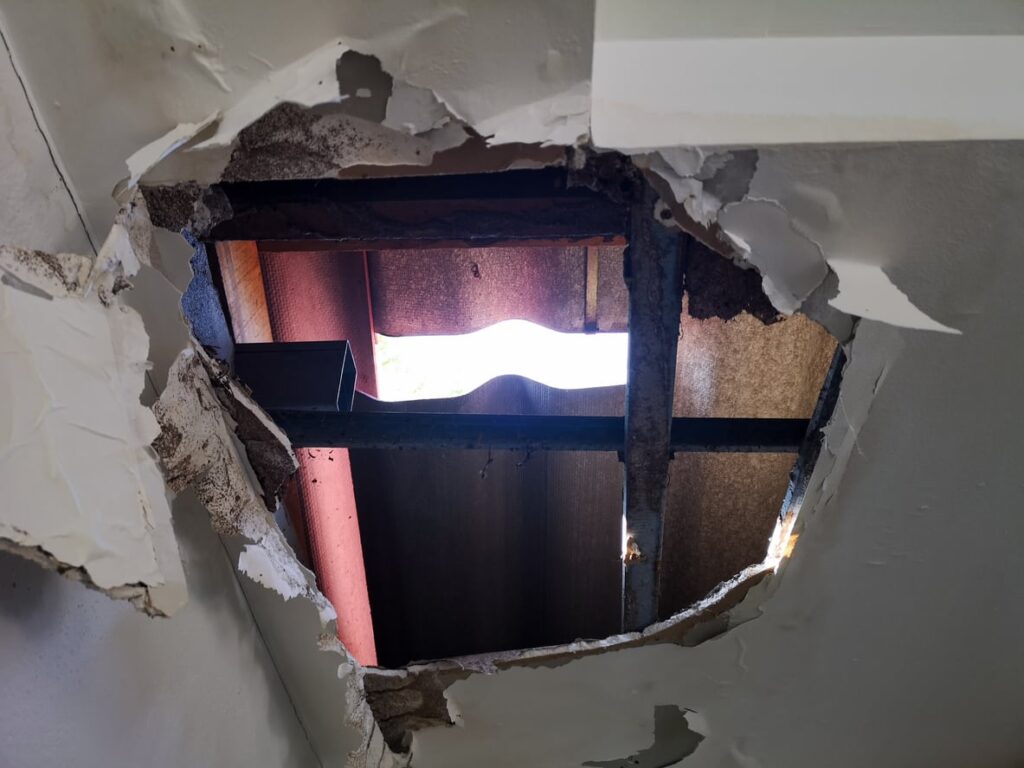
New Home Build Accidents: Liability and Legal Protection for Home owners and Workers

New home builds have many moving parts, with the potential for accidents to happen throughout the construction process. When an injury occurs on a construction site, it can often be challenging to determine liability without the expertise of an experienced construction accident attorney. The laws are complex, and several parties are typically involved during the new home build who could be held liable for the accident, including the homeowner and general contractor (GC).

Homeowner’s Responsibility for Worker Safety During New Home Builds

Homeowners undertaking building projects often rely on general contractors to bear the sole burden of construction safety. A homeowner can typically limit his or her safety obligations with a contractual agreement specifying that the contractor and any other parties involved in the project are liable for worker injuries. However, if the homeowner exercises some control over the contractor’s work or takes any action on the project that causes or contributes to an injury, the homeowner may in part be held accountable.

The more closely a homeowner oversees the new home construction, the greater their personal liability for worker injuries.

General Contractor’s Responsibility for On-the-Job Safety During New Home Builds

A general contractor, who is typically the employer on the project, is responsible for the overall worker safety of the site. The GC must implement a safety plan that meets OSHA (Occupational Safety and Health Administration) and local requirements. If the GC fails to follow these requirements, he or she can be held liable in a lawsuit for any injuries on the site of the new home build.

GCs must warn workers of any potential hazards and take the appropriate measures to protect workers from these hazards. Construction accidents typically occur due to falls, being struck by an object, electrocution, and being caught between two objects and compressed by them. Head, neck, and back injuries; fractured bones; internal injuries; burns; and amputations are the most common types of injuries for construction workers.

What Are the GC’s Responsibilities for On-the-Job Safety?

OSHA outlines several safety measures employers are responsible for, including the following:

  • Provide a workplace free of serious recognized dangers while adhering to OSHA standards, rules, and regulations.
  • Assess workplace conditions to ensure they meet applicable OSHA regulations.
  • Ensure employees can access and use safe tools and personal protection equipment (PPE). For example, OSHA requires that employees have proper protection when working near electrical power circuits. Also, whenever workers are working somewhere where they could fall six or more feet, OSHA requires a personal fall arrest system, safety net system, or guardrail system to be used. Head protection and other personal protective equipment must be worn on construction sites. In addition, all PPE must be properly maintained.
  • Use color codes, posters, labels, or signs to notify workers about potential hazards.
  • Provide safety training in a language and vocabulary workers can understand.
  • Establish or revise operational procedures and disseminate them to ensure staff adhere to safety and health regulations.
  • Provide medical examinations and training when required by OSHA standards.
  • Post an OSHA poster (or the state-plan equivalent) at a prominent location within the workplace informing employees of their rights and responsibilities.
  • Report all work-related fatalities to the nearest OSHA office within 8 hours, and all work-related inpatient hospitalizations, all amputations, and all losses of an eye within 24 hours.
  • Keep records of work-related injuries and illnesses. (Employers with 10 or fewer employees and employers in specific low-hazard industries are exempt from this requirement.)
  • Provide employees, former employees, and their representatives access to the Log of Work-Related Injuries and Illnesses.
  • Give employees access to their medical records and exposure records.

Workers’ Compensation Insurance for Injured Contractors

Construction workers in new home build accidents are eligible for Workers’ Compensation benefits under New York state law. The GC is required to carry Workers’ Compensation coverage for all employees. If subcontractors are on the job, the GC should require them to furnish certificates of insurance showing proof of Workers’ Comp coverage. If a subcontractor does not have coverage, the GC is responsible for providing it. Workers’ Compensation will pay for medical expenses, rehabilitation, and lost wages (up to a certain amount) for an injured construction worker.

What Happens If a Worker’s Injury Is Due to an OSHA Violation?

If the injury is due to an OSHA violation, the responsible party (GC) will be cited and could face severe penalties. In addition, if an OSHA violation caused a worker’s injury, meaning that the company was at fault for not providing a safe work environment, there is an opportunity to pursue personal injury litigation. The citation can be used in a construction accident lawsuit.

Call the Law Office of Nicholas E. Tzaneteas

If you have been injured in a construction action, call us. We specialize in helping victims of construction accidents throughout the Bronx, Brooklyn, Queens, and Manhattan. You may be entitled to significant financial compensation for medical expenses, lost earnings, and pain and suffering. The Law Office of Nicholas E. Tzaneteas can offer you the legal representation required to protect your rights.

Remodeling and Renovation: Navigating Legalities in Home Improvement Injuries

The New York City skyline is dotted with cranes and scaffolding as renovations and improvements take place from Manhattan to Brooklyn, the Bronx, and Queens. Some buildings are undergoing top-to-bottom ‘sustainable’ renovation. Other buildings are being converted to apartments for luxury living, with 15 to 45 floors offering panoramic city views. Many are also older structures requiring building code upgrades to comply with current regulations as they undergo renovations.

Renovation work is good news for construction workers in New York City. However, remodeling and renovation projects in the Big Apple can also result in increased hazards and a rise in on-the-job injuries, many of which are severe or fatal.

Common Causes of Construction Injuries

According to the U.S. Bureau of Labor Statistics (BLS), nearly one in five work-related accidents nationwide involve construction workers. In New York City, on-the-job injuries in the construction industry are even worse. While construction workers account for 5% of all employees in the Big Apple, fatal workplace accidents involving construction workers represent 25% of all workplace fatalities in the city, according to BLS workplace accident data.
 
The U.S. Occupational Safety and Health Administration (OSHA) cites four leading causes of fatal construction accidents:

  • Slips, trips, and falls, which traditionally account for one out of three construction accident fatalities, according to the BLS. These figures are often even higher in New York City, according to the City of New York website.
  • Being struck by an object, which, on average, accounts for roughly one out of 10 construction accident deaths.
  • Electrocution-related construction accidents, which are the third most common cause of fatal construction accidents in New York City.
  • Being caught between two objects and compressed by them accounts for one out of three construction accident fatalities in New York City when taken into account with being struck by an object.

Common injuries include head, neck, and back injuries; fractured bones; internal injuries; burns; and amputations.

Remodeling and Renovation Risks for Construction Workers

When an existing building is disturbed during remodeling, renovation, or demolition, dangerous conditions could arise, putting construction workers at risk of injury. These hazards include the loss of structural integrity; the collapse of support beams, walls, or ceilings; the collapse of trenches, walls, or stairs in basement work; floor cave-ins; severing of electrical wiring or gas lines; falling debris; and release or presence of dust and contaminants, among others.

What Happens If You Get Hurt on a Remodeling or Renovation Job?

You’re Eligible for Workers’ Compensation Benefits

Construction workers injured on the job are eligible for Workers’ Compensation benefits, which cover medical expenditures, lost income up to a specific amount (up to two-thirds of salary in New York), rehabilitation, and survivor payments in the event of death. Unfortunately, employees do not always receive the benefits they are entitled to, and under some circumstances, claims are denied. If you are injured while on the job, call a construction accident lawyer to help you navigate the legalities resulting from home improvement injuries.

Additional Legal Protections Are Available Under NY Labor Laws

In addition to Workers’ Compensation payments, depending on the circumstances of the construction accident, injured workers in New York City may be entitled to file a personal injury lawsuit to obtain compensation and/or a wrongful death claim. Under New York City’s Scaffolding Laws, an injured construction worker on a building site can sue a negligent third party, such as the property owner or general contractor, for their injuries, even if they receive Workers’ Comp benefits.

For example, Section 240 of the New York Labor Law holds property owners and construction firms accountable for any gravity-related injuries suffered by workers on building sites unless the worker was at fault. Construction firms and property owners must ensure proper safety precautions, such as providing appropriate scaffolding and safety equipment, to avoid falls and other accidents. Violations of these regulations can result in serious legal implications and financial penalties for companies.

Section 241 of the New York Labor Law also sets forth specific safety requirements for construction, demolition, and excavation work.

The Law Office of Nicholas E. Tzaneteas can guide you through these laws and compensation you may be entitled to.

What to Do If You’re Involved in a Construction Accident?

  • If you are injured on a construction site, seek immediate medical attention.
  • Notify your supervisor. Make sure the supervisor files a Workers’ Comp claim. If you can, document all of your injuries and get witness statements.
  • Contact a construction accident lawyer.

At the Law Office of Nicholas E. Tzaneteas, we specialize in helping victims of construction accidents throughout the Bronx, Brooklyn, Queens, and Manhattan. You may be entitled to significant financial compensation for medical expenses, lost earnings, and pain and suffering. The Law Office of Nicholas E. Tzaneteas can offer you the legal representation you require to protect your rights.

Bathroom Ceiling Collapse: What to Do

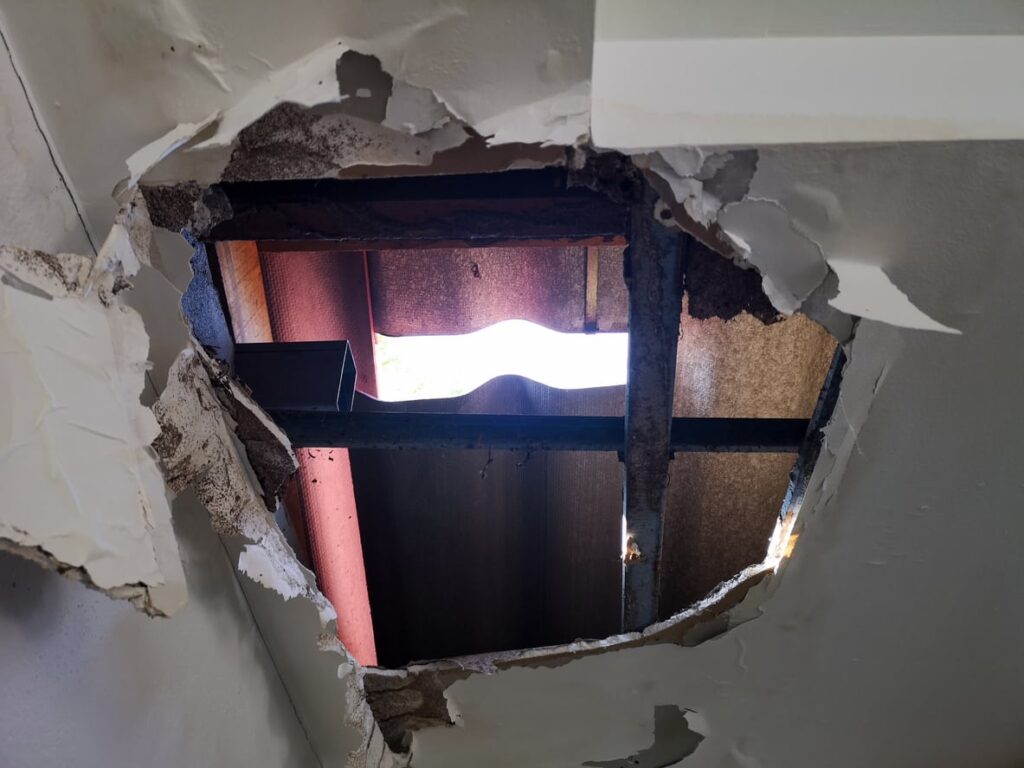
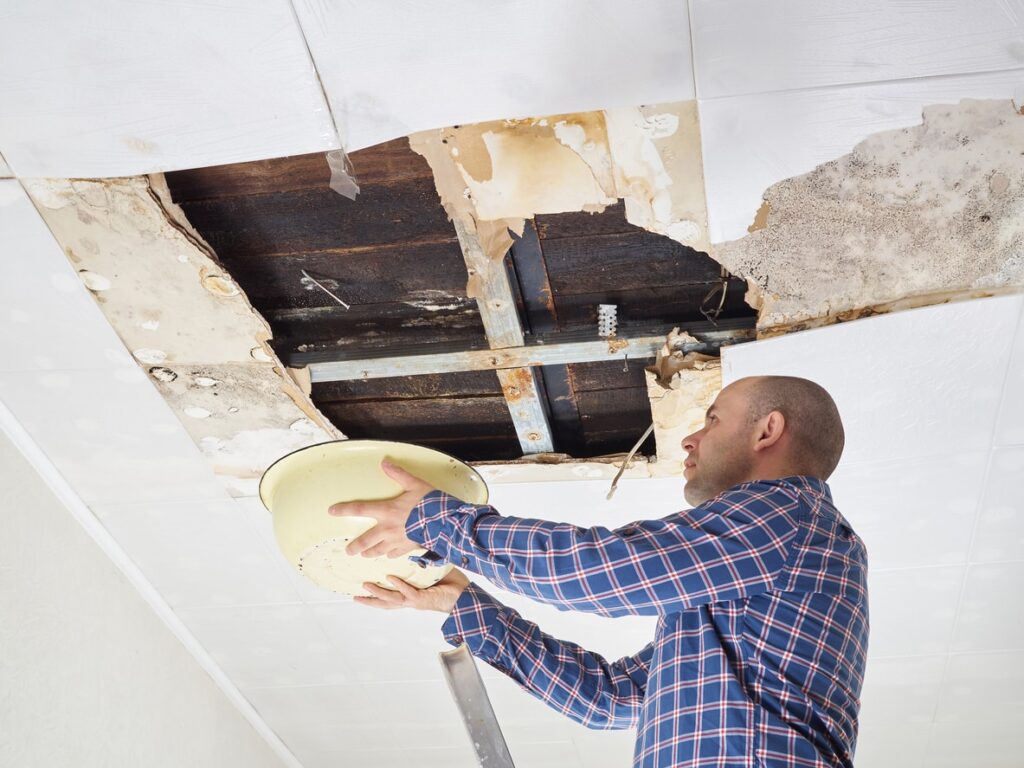
There are several reasons why a bathroom ceiling would collapse — from poor workmanship to incorrect access and use of roof space, building code violations, using inferior or improper building materials, lack of routine maintenance, and failure to repair cracks, water damage, or a water leak. A ceiling collapse can cause severe property damage and injuries to unsuspecting victims.

Potential Injuries from a Ceiling Collapse

Tenants and their children are frequently injured when large (and often wet) chunks of plaster, wooden planks, and ceiling joints fall. These falling objects frequently knock people unconscious.

A collapsed ceiling can also cause severe cuts and bruises to joints, and tendon damage, broken bones and fractures, head and brain injuries, skull fractures, facial lacerations, back injuries, paralysis and nerve damage, permanent disfigurement, and even death. Unusually severe head injuries can necessitate months or years of rehabilitative care and treatment for some victims.

All the mold exposed after a ceiling collapse can exacerbate breathing problems for those with previous lung issues.

What Are Common Signs of a Potential Ceiling Collapse?

There are several signs tenants and homeowners should look out for that indicate an imminent danger of a bathroom ceiling collapse. These include a sagging roof or ceiling; roof leaks; ceiling cracks; interior roof leaks; water sliding down the walls; damaged water fixtures on the ceiling; water spots and water stains; mold, and unusual noises like creaking, cracking, or popping that can be heard inside and outside.

What to Do If You Notice Any of These Signs

If you are in a rental, immediately contact the property owner or landlord to inspect the bathroom ceiling and make the appropriate repairs. Tenants in New York have a legal right to rental property that meets basic structural, health, and safety standards and is in good repair. This means repairing the roof and ceiling and any water damage in the apartment, hiring a mold remediation contractor to dispose ofmoldy porous building materials (drywall, insulation, etc.), repairing the floor from leaks, etc.

If your landlord fails to perform necessary maintenance, such as repairing a leaky roof, you have several important legal rights, including:

  • The right to withhold rent until repairs are made
  • The right to “repair and deduct”—that is, to hire a repair person to fix a serious defect that renders a unit unfit for occupancy and deduct the cost from your rent.

Also, if a known dangerous condition is not corrected and a tenant is injured as a result of it, the property owner/landlord may be held legally and financially liable for the tenant’s injuries and damages.

Be sure to document all communication with the landlord or property owner. Take photos of the damaged ceiling and affected areas and list all damaged property. Take pictures of your injuries. Proving that the landlord had prior notice is why you must notify your landlord or property manager immediately if you notice any ceiling water stains or damage, sagging, bubbles, or other signs of structural weakness.

Call an Attorney If You Are Injured

If a bathroom ceiling collapsed and you are injured, contact an experienced personal injury attorney for a free consultation. Depending on the extent of your injuries and the circumstances of the claim, you can be entitled to payment for your medical expenses, lost wages, the expense to relocate, and pain and suffering.

The Law Offices of Nicholas E. Tzaneteas in New York City are experienced premises liability/personal injury lawyers. We have worked on and won cases for clients who have been injured from collapsed ceilings.

For example, for one of our clients, we obtained more than $6.8 million in a case in which a 19-year-old nursing student sustained a back injury after being struck by a ceiling that fell on her while cleaning the bathtub. She had notified the landlord of the ceiling leak a month before the accident, and they failed to do anything about it.

In another case, our client was awarded $2.25 million after parts of a ceiling collapsed on him while he was taking a shower. He needed spinal surgery.

Our law firm cannot guarantee a similar outcome but can provide you with the expertise to navigate a premises liability lawsuit. We are experienced in dealing with a property owner’s insurance company, negotiating settlements, and taking a case to court.

Contact the Law Offices of Nicholas E. Tzaneteas today.

How Pit Bull Lawyers in Brooklyn Help You

The Centers for Disease Control and Prevention (CDC) estimates that 4.5 million people report dog bites annually. In addition, according to the CDC, about 800,000 dog bite victims seek medical attention. Thirty to forty people are killed each year by a dog attack. In 2020, 46 people died. Children are the most common dog bite victims.

Dog Bites By Breeds

During the last 20 years, according to the CDC, about 25 different breeds have been responsible for dog bites, with pit bulls and Rottweilers leading the pack, although more docile breeds like retrievers and hounds have also caused a dog bite injury.

Pit Bull-type dogs were believed to have committed approximately 66% of the attacks and Rottweilers about 10%, reveals CDC data.

Most recently, a Pit Bull attacked a mother and two kids, killing the children and critically injuring the mother who tried to protect her babies from the mauling.

The Cost of Dog Bite Attacks

Dog bite injuries and other dog bite-related injuries cost insurance companies about $900 million in 2021, according to the most recent statistics available. The average dog bite claim nationwide ran nearly $50,000. In 2021, according to the Insurance Information Institute (Triple-I), New York ranked fourth with the most dog bite claims. There were 900 dog bite claims in New York, with the average cost per claim at $68,203.

Injuries from a Dog Attack

A serious injury from a dog attack includes neck and back injuries, infections, broken bones, concussions and traumatic brain injuries (TBI), and rabies and other animal-transmitted viral diseases. Other injuries include torn tendons, and sprains and strains,

Who Is Responsible for a Dog Bite Injury?

Under the law, dog owners in New York may be held liable for a dog bite, regardless of a dog’s history of previous attacks or aggressive behavior. However, the circumstances surrounding the dog bite are taken into account.

Dog bite cases in New York are handled using a combination of strict liability and negligence. Even if the owner used reasonable care to restrain the pet, they or the dog’s custodian are strictly liable for medical bills resulting from an injury caused by their dog.

The concept of negligence is applied to all other expenses related to the dog bite injury. This means that the owner is only responsible if they fail to use reasonable care to warn others about the dog’s dangerous potential or protect others from harm. Because owners who know their pet has acted aggressively or attacked others in the past must use reasonable care to warn others about the danger, this negligence rule is sometimes called the “one-bite” rule.

To recover damages beyond medical bills in New York, negligence must be proven.

Can I Sue if I Am Attacked?

In almost every dog bite case involving dog-owner liability, you must demonstrate that the owner was aware of the pet’s previous behavior and risk of attack. A dog owner may be held liable for a dog bite in the following situations:

If there have been previous complaints: An owner may be held liable if others have complained about the dog’s vicious behavior, particularly if the animal is frequently violent or has previously bitten.

If the dog was taught to attack: Because the owner is fully aware that their dog is dangerous and capable of violence, a pet owner will almost certainly be held liable for any damages caused by an animal trained to attack.

If the dog has a habit of jumping on people: When owners are aware that their dogs frequently jump on people, it is their responsibility to keep their pets from jumping up and knocking people over.

If the dog has previously displayed threatening, vicious behavior: This can include situations in which a dog chases others to the point of frightening them, or barks viciously from behind a fence as if it is ready to attack.

If the dog has previously attacked: This is in accordance with the one-bite rule; it demonstrates that the owner was aware that their animal had once bitten.

Contact a Pit Bull Lawyer if You’ve Been Attacked

If a pit bull or another breed has attacked you, call the law office of Nicholas E. Tzaneteas for a free consultation. He is an experienced personal injury attorney who has worked on dog-bite cases and will discuss if and how to recover compensation. One of our practices is helping people injured by dog bites and animal attacks.

Depending on the injury and circumstances, compensation may include payment for medical expenses, physical and emotional pain and suffering, future medical costs associated with physical therapy or long-term care, temporary and permanent disabilities, disfigurement, punitive damages, and lost wages/loss of earning potential.

Ceiling Collapse Accident FAQs

The last thing any tenant expects is to face a harrowing ceiling collapse. However, ceilings do collapse, especially in older apartment buildings in the city. Here are some frequently asked questions regarding ceiling collapses. If you or someone you love has been injured and affected by this type of incident, contact your experienced ceiling collapse attorney in New York City right away.


What causes a ceiling collapse?


There are various reasons that a ceiling could collapse, including:

  • Structural and architectural defects caused by builders taking short cuts
  • Inexperienced builders
  • Incompetent builders
  • Inadequate shoring
  • Installation damage
  • Insufficient load supports
  • Inadequate building materials
  • Deterioration of materials

Who is responsible for a ceiling collapse accident?


Landlords and property managers are typically found responsible for ceiling collapses. Especially in historic neighborhoods, these entities are required to perform routine maintenance and reinforce aging and structurally unsound roofs and ceilings. If your landlord failed to conduct these inspections, or they are found to be negligent and failed to address the issue after being notified, they could be held responsible.


What types of injuries do ceiling collapses cause?


There are several types of injuries that could result from this accident, ranging from mild to severe.

  • Head wounds
  • Concussions
  • Fractured bones
  • Broken bones
  • Traumatic brain injuries
  • Muscle sprains and strains
  • Neck and back injuries
  • Paralysis
  • Death

What should I do if I notice my ceiling starting to sag?


The most important thing to do is notify your landlord or property management company immediately. Get this notification in writing and keep it. Ensure your landlord takes the threat seriously and hires someone who is qualified and licensed to come inspect and correct the sagging ceiling. Documenting the issue and taking plenty of photos will help your case as well.
If the situation escalates, contact an attorney right away.

Contact your ceiling collapse attorney

Any defects in the structural integrity of the building need to be addressed immediately. If you believe your landlord was negligent in inspecting or maintaining the building, which caused you personal harm and property damage, contact your personal injury lawyer. Not only is a ceiling collapse scenario stressful, but your livelihood is compromised. You don’t have to navigate this complex and overwhelming process on your own. New York tenants have rights that protect their safety. If a falling ceiling caused property damage, serious injury or a fatality, contact us so that we can help. Call today at (833) 689-3476 for a free consultation.

Steps to Take if You Notice Leaks in Your Ceiling

A leak in your walls or ceiling could result in a tenant’s worst nightmare- a ceiling collapse. Since the result of such an event can be devastating and even life threatening, it’s important to know what to do immediately after noticing a leak in your ceiling. If you or a loved one has been through a ceiling collapse incident, you need someone in your corner. Contact an experienced New York City ceiling collapse attorney right away.


Contact your landlord.


It’s imperative that you contact your landlord and notify them of the leak immediately. Document the complaint and take pictures of the damage so you have a record. Once your landlord inspects it, he or she will need to contact licensed plumbers and contractors to repair the leak and restore the ceiling. 


Evaluate the situation.


The first thing you should do if you see water spots or a sagging ceiling is to remove any furniture or valuable items from beneath it. This will ensure that your valuables are not destroyed before your landlord has the chance to contact the appropriate repair companies. This is considered an urgent matter, so they are legally obliged to address it immediately.

CONTACT YOUR CEILING COLLAPSE ATTORNEY


If a falling ceiling causes property damage, serious injury or a fatality, you may have a case. We’re here to represent New York City tenants, contact us so that we can help. Call us today at (833) 689-3476 for a free consultation.

What Causes a Ceiling Collapse?

Experiencing a ceiling collapse in your apartment is nothing short of terrifying. Whether it was a complete shock or there were warning signs from the start, this is never something any tenant wants to suffer through. The potential for physical and emotional damage after these catastrophes is significant, which is why you need someone in your corner who can fight for you. If you or someone you know has been involved in a ceiling collapse accident, contact an experienced New York City ceiling collapse attorney right away.


What causes a ceiling to collapse?


Unfortunately, there are many factors that could contribute to a ceiling collapse. Here are the top causes, according to Senior Care 2 Share:

  • Failure to fix leaks leading to structural damage.
  • Failure to repair cracks.
  • Skipped or badly done maintenance.
  • Poor building materials.
  • Improper construction techniques.
  • Water damage.
  • Incorrect duct work.
  • Termites or other infestations.

What warning signs can you look for?

It’s natural for your home to settle over time, and tiny cracks are common. However, if you see a large crack in your walls or ceiling, it’s time to contact your landlord immediately. 

Moisture inside your walls is also a dangerous warning sign. This could either mean a huge structural concern, or just a small, easily fixable leak. However, if you notice the ceiling collecting more water during rainy periods, this is a big red flag. Ceilings, like any other structure, can only tolerate so much weight, especially when they are constructed poorly or with inadequate materials.

Regardless, contact your landlord as soon as possible if you notice any moisture within your walls or ceiling. Remember, moisture breeds mold, which can exacerbate the issue at hand. Get ahead of the problem by addressing it as soon as possible. 

Finally, the presence of termites and cracking noises coming from the walls or the surrounding beams are significant indicators that your ceiling is about to collapse. If you notice these signs, contact your landlord immediately and submit a work order.

Is a sagging ceiling that dangerous?

The short answer is yes. Ceiling collapses can not only cause physical and emotional damage, but they can also leave you exposed to asbestos or other harmful materials festering behind walls of age-old buildings. The weight of the ceiling, along with any built up water, or rotten wood that likely caused the collapse, can be fatal.

Ceiling collapses are dangerous, which is why tenants need to be aware of the potential of this happening, know what to look for, and how to resolve it immediately. If you or someone you know has suffered from a ceiling collapse, contact your NYC attorneys today.

CONTACT YOUR CEILING COLLAPSE ATTORNEY New York tenants have rights that protect their safety. If a falling ceiling caused property damage, serious injury or a fatality, contact us so that we can help. Call today at (833) 689-3476 for a free consultation.

Common Injuries Suffered by Ceiling Collapse

There is a high risk of injury and damage from a ceiling collapse. These types of incidents can be immediate or happen over time due to a combination of factors, such as termite damage and/or shoddy workmanship or leaky plumbing. However, once the ceiling collapses, the tenants and anyone in the apartment is in danger. If you or someone you know has been involved in a ceiling collapse accident, contact an experienced ceiling collapse attorney in New York City right away.


Types of injuries suffered due to a ceiling collapse:

  • Traumatic Brain Injury: When wood, plaster, beams, and support rods come falling down, people often experience traumatic head and brain injuries. The result of a head injury can often be death.
  • Broken Bones: Crushing injuries and broken bones are likely when the weight of a ceiling comes crashing down.
  • Lacerations, cuts and bruises: These injuries are the most common with ceiling collapses. Young children and babies are especially vulnerable.
  • Spinal cord injuries: If falling debris strikes the body in a certain way, the result can be spinal cord injuries, which can require months, if not years, of therapy and rehabilitation to recover.

In addition to these physical debilities,  there is also the emotional debility from iving with restricted mobility or brain trauma that often exhibits itself in anxiety or depression. There’s no telling how your body will cope and react to such a harrowing experience, which is why you need an attorney to fight for your rights. Contact an experienced attorney today to schedule a free consultation.

CONTACT YOUR CEILING COLLAPSE ATTORNEY


Any defects in the structural integrity of the building need to be addressed immediately. If you believe your landlord was negligent in inspecting or maintaining the building, which caused you personal harm and property damage, contact your personal injury lawyer. Not only is a ceiling collapse scenario stressful, but your livelihood is compromised. You don’t have to navigate this complex and overwhelming process on your own. New York tenants have rights that protect their safety. If a falling ceiling caused property damage, serious injury or a fatality, contact us so that we can help. Call today at (833) 689-3476 for a free consultation.

What Evidence Do You Need to Show Your Ceiling Collapse Lawyer?

Being injured by a ceiling collapse is terrifying and potentially catastrophic. And an all too common occurrence given the often poorly maintained and historically neglected old residential and commercial buildings in New York City. Injuries and damages suffered from ceiling collapses have the potential to be life-long, even fatal, which is why contacting an experienced personal injury attorney is critical. You need someone on your side to fight for your rights and for the financial compensation you might be entitled to. In this article, we’re going to cover what an attorney needs to help prove your case in court. If you or someone you know has been involved in a ceiling collapse accident, contact an experienced ceiling collapse attorney in New York City right away.


Photographic proof.


One of the most important components of a ceiling collapse case is photographic evidence of the ceiling. Taking pictures of bubbling, water damage, or sagging can help your lawyer. Showing the state of the ceiling before and after the collapse is paramount in determining who is at fault for this incident and how the situation unfolded.


Your complaint(s) in writing.


Next, you’ll need documentation of your formal complaints. Track down texts or emails that indicate there was a problem with your ceiling. As we’ve discussed, it is the landlord’s responsibility to inspect, maintain, and repair vital items in your apartment. If you notified the landlord of the issue, and he or she failed to address them with urgency, this helps your case. If your landlord ignores your complaints or requests, this is even more compelling on your behalf.


Inspection report.


According to Personal Injury Lawyer, if possible, have the open ceiling inspected by a building inspector or engineer to document what the origin of the leak was and what was the cause. You must take every step possible to undercut the building’s claims that it did not know the condition existed or that it just occurred over a short period of time that did not allow them to make repairs. (these happen in low income housing typically so no one would hire anyone…. we need to either change this to the attorney hires them or leave it out)

It’s not uncommon for building owners to point the finger at the neighbor above you for careless use of toilets, sinks and baths. Get ahead of them by gathering statements from neighbors that confirm their use of water in their unit did not lead to the flooding or ceiling collapse in yours. 

Contact your ceiling collapse attorney 

New York tenants have rights that protect their safety. If a falling ceiling caused property damage, serious injury or a fatality, contact us so that we can help. Call today at (833) 689-3476 for a free consultation.

Ceiling Collapse in Your Apartment: Who’s at Fault?

ceiling collapse is undoubtedly the worst-case scenario for any New York City tenant. There are various reasons that this catastrophic event could occur, including negligence, leaking plumbing, a lack of maintenance, and more. Whether you were injured or your property was destroyed, you could have a case. If you or someone you know has been involved in a ceiling collapse accident, contact an experienced ceiling collapse attorney in New York City right away.

Who’s at fault?


Most commonly, landlords would be held liable for a ceiling collapse in a New York City apartment building. While the tenant is expected to report any hazards or concerns, it is the sole responsibility of the landlord to address problems and provide a habitable and safe living space. 


According to The Balance, the landlord has the following basic obligations to his or her tenants at all times: keeping the property clean, safe and habitable. The landlord must adhere to all building codes, perform necessary repairs, maintain common areas, keep all vital services, such as plumbing, electricity, and heat, in good working order, must provide proper trash receptacles and must supply running water.


A sagging ceiling due to storm damage or structural errors is considered urgent, requiring immediate attention by the landlord. Therefore, if you notified your landlord of this concern, and he or she did not address it with the level of urgency required, they could be found negligent in a court of law. 


What has to be proven to win my case?


It’s important to note that each case varies. However, as a general rule of thumb, the following points must be proven in order to have a chance at winning a personal injury lawsuit after a ceiling collapse: 

  • The landlord had previous knowledge that the ceiling or structure was not safe, OR
  • The landlord failed to complete the necessary inspections, which would have led to the discovery of the sagging ceiling.

Contact your ceiling collapse attorney


Any defects in the structural integrity of the building need to be addressed immediately. If you believe your landlord was negligent in inspecting or maintaining the building, which caused you personal harm and property damage, contact your personal injury lawyer. Not only is a ceiling collapse scenario stressful, but your livelihood is compromised. You don’t have to navigate this complex and overwhelming process on your own. New York tenants have rights that protect their safety. If a falling ceiling caused property damage, serious injury or a fatality, contact us so that we can help. Call today at (833) 689-3476 for a free consultation.

The owner of this website has made a commitment to accessibility and inclusion, please report any problems that you encounter using the contact form on this website. This site uses the WP ADA Compliance Check plugin to enhance accessibility.