Tips From A Brooklyn Medical Malpractice Lawyer: What To Do If You’re A Victim

The medical malpractice tips below are from Nick Tzanateas at NTZ Law in Brooklyn, New York.

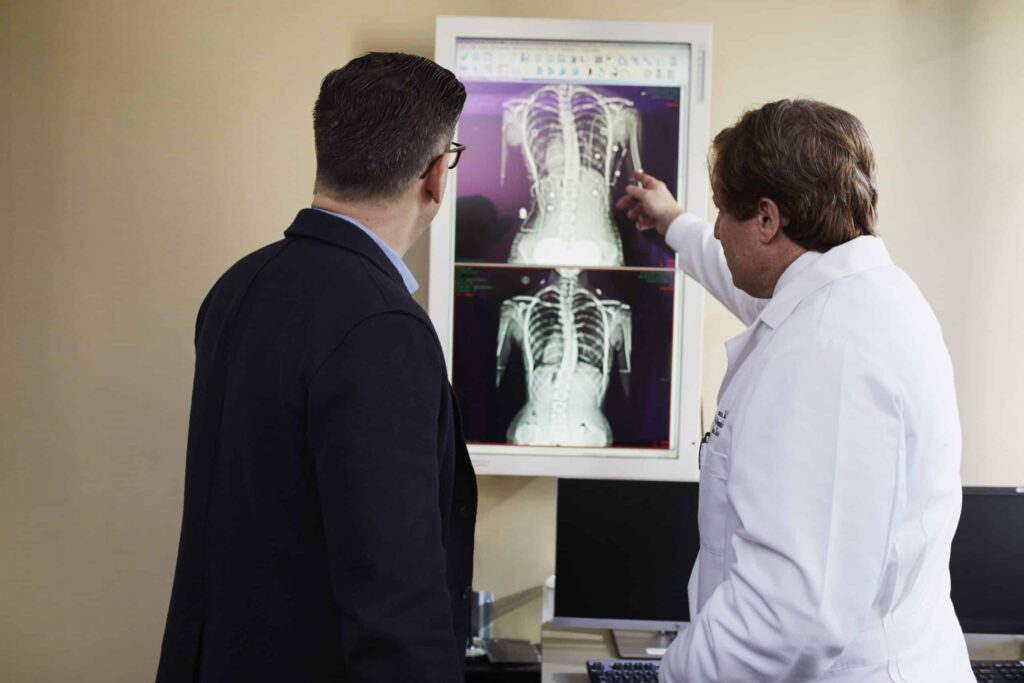
Medical malpractice occurs when the treatment provided by a physician, hospital, or any other medical professional fails to meet the standards of acceptable practice established by the medical community; and results in consequential harm to you, the patient. This treatment can either be an action—or in many cases, the lack of appropriate action, i.e., failing to diagnose an illness—by a doctor or other personnel …that caused either an injury or death. Amidst the fear, stress, and confusion arising from a medical malpractice case, it’s wise to prepare and take steps to protect your interests and the interests of your loved ones.

Keep all records.

Documents are the most important proof of services provided and are easily reproduced. However, it’s equally important to maintain a log or journal of important details as they are occurring, i.e., dates, times, names, nurses, or medications which can easily be forgotten.

Don’t be afraid to ask questions.

Many people can become intimidated and less confident when they are dealing with physicians and other medical professionals. Be persistent in asking questions when discussing your or your loved one’s medical issues and care.

Obtain a copy of pertinent medical records.

You have the right to request a copy of your or your loved one’s medical records from all concerned medical professionals, including physicians and/or hospitals. This includes all diagnostic batteries and reports used in determining medical diagnoses and plans. It is prudent NOT to indicate that your request is part of a malpractice lawsuit. We also advise that you review all the records to confirm their accuracy and contact Medical Records to correct them, if necessary.

Contact an attorney in Brooklyn whose specialty is medical malpractice lawsuits.

A consultation with an attorney who is highly specialized in medical malpractice cases is the best way to become informed about your ability to proceed with a lawsuit. Not all states handle medical malpractice equally, and an experienced medical malpractice attorney in Brooklyn will best advise if a lawsuit is warranted, and then guide you in how to proceed and succeed with your case.

Medical malpractice attorneys will offer a free consultation to provide some initial advice. There is no obligation to proceed with any course of legal action. In addition, medical malpractice attorneys work on a contingency basis and therefore do not charge any fees unless he or she is successful at litigating your case and they are able to win a monetary compensation for you.

Some common medical malpractice cases include:

  • Medication errors/wrongly prescribed medications
  • Gynecologic surgical errors and malpractice
  • Failure to diagnose cancer
  • Anesthesia errors
  • Failure to diagnose serious diseases
  • Delay to treat/failure to diagnose a medical condition
  • Erb’s palsy
  • Cerebral palsy/brain damage
  • Birth injuries
  • Hospital negligence
  • Emergency room errors
    Surgical errors/complications

Don’t delay in pursuing help from a medical malpractice attorney in Brooklyn at the NTZ Law Firm.

Nick Tzanateas at NTZ Law in Brooklyn, New York, is a dedicated attorney who works hard at helping patients who have been victims of medical malpractice and are in need of his expertise. Call 718-710-4864, send in the contact form or email Mr. Tzanateas at [email protected] about your medical malpractice case.

Governor Cuomo and State Leaders Fail to Pass the Safer NY Act Constructed to Better Protect New Yorkers

The Safer NY Act was written to provide the public with greater protection from police brutality and to provide for a higher standard of human safety. It recently failed to pass legislation. Supporters believe the passing of the bill would have initiated a real difference in the criminal justice system throughout Brooklyn and New York. Over 100 organizations, advocates, and families took several months to talk to Cuomo and the state legislature about the priorities of the package of bills and why it desperately needed to pass legislation.

The growing need for checks and balances among law enforcement addressed in the bill included measures to hold police officers accountable for their actions. Additionally, two bills would have reduced unnecessary arrests among both marijuana users and non-criminal violators.

The Safer NY Act Package included:

  • PoliceSTAT Act – a mandatory statewide reporting on policing of low-level offenses and deaths in police custody.
  • Repeal of 50 – a legislation.
  • Strengthening and expanding the Special Prosecutor Executive Order.
  • Marijuana Regulation and Taxation Act, a new framework of justice to begin the legalization of marijuana.
  • Reducing Unnecessary Arrests by taking a realistic approach to handling non-criminal violations (banning custodial arrests).

None of the above-mentioned Safer NY Act’s bills passed the State Senate this session. The PoliceStat Act did pass the Assembly for the fourth consecutive year but didn’t progress any further.
While the majority of police officers uphold their oath to protect and serve, occasions of police brutality in Brooklyn do exist, and that’s where can help.

There are specific steps you should take when hurt through the use of excessive police force.

  • First and foremost, It’s critical for victims of police brutality to get medical attention. As long as they are not in danger themselves, police officers must obtain medical care for the injured, including those hurt through excessive force. The US Supreme Court ruled in the 8th Amendment to the Constitution that people in police custody have a right to receive adequate medical care.
  • If you’re hurt by police and denied medical help, then go to the emergency room or doctor immediately following your release from custody. While medical care is vital to your physical recovery, the records serve as evidence in your case.
  • When seeking to make a case of police brutality, you must do more than prove excessive force took place. You must show injuries resulted from such force.
  • Document what happened, including when and where the incident, took place.
  • Take photographs of physical injuries to provide evidence for the support of your claims.
  • Include the name and badge number of the police officer responsible for hurting you.
  • List all officers and other people who you believe witnessed the incident. Additional evidence, such as video recordings, may be available from nearby businesses or residents.

Contact the Law Office of Nicholas E. Tzaneteas today to speak with a Brooklyn police brutality attorney about your case. Consultations are confidential and free, so that you may get into the details of your case without fear of upfront costs or reprisal. Call 718-260-6771, email [email protected], or fill out the online form to schedule a consultation.

Accessibility Tools
hide