Blog

Top Lawyer for Bus Accident Claims in NYC | Get Expert Legal Help Today

If you are involved in a bus accident in New York City, you need a specialized lawyer to guide you through the legal process and secure the compensation you deserve. A lawyer for bus accident cases can help you understand your rights and take immediate steps to protect them.

Why You Need a Bus Accident Lawyer

When bus accidents occur in New York City, dealing with the aftermath can be daunting. The legal landscape surrounding bus accident claims is particularly complex, often involving multiple parties and intricate regulations. This is where a bus accident lawyer becomes invaluable. These specialized attorneys possess the expertise needed to navigate the legal process, ensuring that bus accident victims can focus on their recovery rather than the law.

NYC bus accident attorneys can significantly reduce the stress associated with legal proceedings. They handle everything from gathering evidence to filing paperwork, allowing victims to concentrate on healing. Imagine the relief of knowing that a skilled New York bus accident attorney is fighting for your rights while you recuperate. Their specialized knowledge of bus accident laws enables them to effectively manage even the most complicated cases, ensuring that every legal avenue is explored.

Bus accident lawyers are adept at negotiating with insurance companies, which is crucial for securing fair compensation. Insurance companies often aim to minimize payouts, but a seasoned attorney can counteract these tactics, ensuring victims receive what they are rightfully owed. They utilize various resources to build a strong case, from collecting accident reports and witness statements to analyzing technical data. This thorough approach is essential for holding negligent parties accountable and achieving justice.

Bus accident lawyers are prepared to take the case to court if negotiations fail. Their trial experience is invaluable in advocating for clients’ rights before a judge and jury. Legal representation is crucial for navigating the complexities of bus accident cases and ensuring that responsible parties are held accountable. A skilled lawyer can turn a daunting legal battle into a path toward justice and recovery.

Common Causes of Bus Accidents

Understanding the common causes of bus accidents is vital for preventing these devastating incidents and improving road safety.

  • One major factor is driver exhaustion, which significantly raises the risk of accidents. Fatigue management is essential, yet often overlooked, leading to tragic consequences.
  • Negligent behaviors such as speeding, distracted driving, and running red lights are other critical issues. These actions stem from poor decision-making and inadequate training, which can result in catastrophic outcomes.
  • Blind spots are another common challenge for bus drivers and other drivers, increasing the risk of accidents during maneuvers like left turns. Understanding these blind spots and training drivers to manage them is crucial for preventing collisions and adhering to traffic laws.
  • Adverse weather conditions further complicate matters by worsening road conditions and visibility, increasing the likelihood of accidents.
  • Bus companies also play a significant role in accident prevention. Unfortunately, many companies neglect essential safety protocols, leading to accidents due to inadequate maintenance and mechanical failures. Engine compartment fires, for instance, can often be prevented with proper care.

Addressing these common causes can significantly reduce the number of bus accidents, making roads safer for everyone.

Identifying Responsible Parties in Bus Accidents

Determining liability in bus accident cases is often complex. It frequently involves multiple parties. Identifying who is at fault requires a thorough investigation, a key responsibility of bus accident lawyers. These professionals meticulously assess the accident’s circumstances to determine liability and pinpoint the responsible parties, ensuring justice is served.

Liability in a bus accident can extend to the bus driver, the bus company, and even government entities. For instance, if a negligent bus driver caused the accident, the driver and the bus company could be held accountable. In cases where the bus operates under a private company, the firm may be liable for the driver’s behavior.

Government entities can also be responsible, especially when public transportation is involved. Special legal considerations and shorter timelines for filing claims may apply in such cases. Bus accident lawyers ensure that victims receive just compensation for their injuries and losses by identifying all responsible parties.

Steps to Take After a Bus Accident

The moments following a bus accident are crucial for ensuring safety and preserving your right to compensation. The first and most important step is to seek medical attention immediately. Even if you feel fine, some injuries may not be immediately apparent. Prompt medical care safeguards your health and provides essential documentation for your bus accident claim.

Collecting evidence at the scene is another vital step. Gather details such as the names and contact information of all parties involved, including witnesses. Taking photographs of the accident scene, including vehicle positions, road conditions, and any visible injuries, can provide critical physical evidence for your claim. This evidence will be invaluable in building a strong case and determining liability.

Reporting the incident to the police is also essential. An official police report will serve as an authoritative accident record, which is crucial for your claim.

Once these immediate steps are taken, contact a lawyer specializing in bus accidents.

Remember, your actions immediately after an accident can profoundly impact your ability to secure fair compensation.

Types of Injuries in Bus Accidents

Bus accidents often result in severe injuries due to the size and weight of buses compared to other vehicles. Some of the most serious injuries include:

  • Spinal cord injuries, which can potentially lead to paralysis and significant lifestyle changes
  • Traumatic brain injuries (TBIs), which may result from impact during the collision involving the auto accident, can cause lifelong cognitive impairments, including memory loss, difficulty concentrating, and other debilitating symptoms.
  • Common injuries, such as fractures and broken bones, are common due to the force of the collision
  • Soft tissue injuries, such as whiplash or contusions

These injuries can require long-term medical care and rehabilitation, drastically altering the quality of life for serious injury victims and their family members.

Beyond physical injuries, victims of bus accidents often experience psychological effects, including post-traumatic stress disorder (PTSD). The trauma of the accident can leave lasting emotional scars, affecting the victim’s mental health and well-being.

Understanding the types of injuries that can result from bus accidents underscores the importance of seeking comprehensive medical and legal assistance to address all aspects of recovery.

Filing a Bus Accident Claim

Filing a bus accident claim involves several critical steps, including notifying the liable parties about your intent to seek compensation. This initial step sets the stage for the claim process and ensures you know your legal actions. Hiring a lawyer at this stage can significantly help, as they will handle the formal notifications and guide you through the subsequent steps.

A detailed investigation is conducted to collect essential evidence, including accident reports and witness statements, to support your claim. Establishing negligence is crucial, requiring clear evidence demonstrating who was at fault for the accident. Your lawyer will compile this evidence into a demand packet, which is then submitted to the insurance company. This packet outlines your losses and includes supporting documentation to strengthen your claim.

Litigation may become necessary if a fair settlement cannot be reached through negotiation. In such cases, your lawyer will file a lawsuit, and the case will move through the court system.

Compensation for Bus Accident Victims

Compensation for bus accident victims involves assessing various damages resulting from the accident. Compensation generally falls into two categories: economic damages, which include medical bills, lost wages, lost income, and medical expenses; and non-economic damages, which cover pain and suffering. The severity of injuries, the required medical treatment, and the thoroughness of the claim’s documentation significantly affect the compensation amount.

Punitive damages may sometimes be awarded, especially in extreme negligence situations. These damages punish the responsible party and deter similar behavior in the future. While online settlement calculators can provide a rough estimate of potential compensation, they are not a substitute for professional legal advice. An experienced lawyer can offer a more accurate assessment based on the specifics of your case.

Differences Between Bus Accident Claims and Car Accident Claims

Bus accident claims are typically more complex than car accident claims due to the involvement of multiple parties and large insurance companies. In New York, claims against government entities after a bus accident involve specific procedures and deadlines, including filing a Notice of Claim within 90 days of the accident. Claims against private bus companies follow a more standard personal injury process.

Additionally, bus accident claims may include the possibility of punitive damages, particularly against manufacturers or companies, which is less common in car accident claims. Understanding these differences is crucial for anyone involved in a bus accident, highlighting the need for specialized legal expertise.

How a Bus Accident Lawyer Can Help: Contact The Law Office of Nicholas E. Tzaneteas

Choosing the right bus accident lawyer is crucial for the success of your claim. Selecting a lawyer with specific experience in handling bus accident cases is essential. The Law Office of Nicholas E. Tzaneteas has a track record representing clients in similar cases, including accidents involving the MTA.

Understanding the lawyer’s fee structure is important. We work on a contingency fee basis, which means you only pay if you win your case.

Frequently Asked Questions

Why is it important to hire a specialized NYC bus accident lawyer?

Hiring a specialized bus accident lawyer is crucial because they understand the complexities of such cases and can effectively handle multiple parties and regulations. This expertise ensures you receive the fair compensation you deserve.

What should I do immediately after a bus accident?

Seek medical attention immediately and gather evidence, like contact information from those involved and witnesses. Remember to take photos of the scene and report the incident to the police. While considering a specialized lawyer for guidance, it’s vital to ensure that all necessary steps are taken to protect your interests.

What types of compensation can I receive from a bus accident claim?

You can receive compensation for medical bills, lost wages, pain and suffering, and punitive damages for extreme negligence in severe cases. It’s essential to pursue your rights and seek the compensation you deserve!

How do bus accident claims differ from car accident claims?

Bus accident claims are generally more complex than car accident claims because they involve multiple parties and larger insurance entities or government agencies. Understanding this complexity can empower you to navigate the claims process more effectively!

How can a bus accident lawyer help me?

A New York bus accident lawyer ensures you receive fair compensation by expertly navigating the legal process, identifying responsible parties, and negotiating with insurers. With their help, you can focus on recovery while they fight for your rights.

Top Staten Island Personal Injury Lawyer: Your Path to Compensation

Have you or a family member been injured in an accident? A Staten Island personal injury lawyer can help you understand your rights and secure fair compensation. We will review why you need a legal expert, the types of cases we handle, and what to expect during the process.

Why You Need a Staten Island Personal Injury Lawyer

The legal landscape of personal injury cases can be daunting. Navigating intricate laws, complex procedures, and documentation can be overwhelming. A skilled personal injury lawyer can manage these complex legal matters, ensuring victims receive fair compensation and efficiently handle insurance claims. Personal injuries impose significant emotional and practical burdens on individuals and their families, and having a legal expert by your side can alleviate some of this stress.

Experienced personal injury attorneys also keep clients informed and involved throughout the process. This dedication often results in favorable settlements, as they thoroughly investigate and prepare each case.

Additionally, contacting a personal injury lawyer early in your case maximizes your chances of a successful outcome. They can start collecting evidence, speaking to witnesses, and building a strong case. A knowledgeable guide can make all the difference between a fair settlement and a prolonged, frustrating ordeal.

Types of Personal Injury Cases We Handle

Personal injury cases stem from various incidents, including accidents, negligence, and intentional acts. At the Law Offices of Nicholas E. Tzaneteas, we offer personal attention to every personal injury case, ensuring thorough representation and support for our clients. Our practice areas cover various scenarios, from automobile, motorcycle, bus, truck, and train accidents to construction-related injuries and premises liability. This diversity allows us to cater to each client’s unique needs, providing comprehensive legal assistance tailored to their specific situation.

We are dedicated to holding at-fault parties accountable in various personal injury matters. Each person’s case is handled with utmost care to ensure victims receive the justice and compensation they deserve.

Car Accidents

Car accidents are a significant concern in Staten Island, often resulting in severe and life-altering injuries.

Common causes include:

  • Distracted driving
  • Speeding
  • DUI
  • Reckless behavior

These accidents can lead to a range of injuries, from minor cuts and bruises to serious injury, physical injuries, traumatic brain injuries, and spinal cord injuries.

Experienced personal injury attorneys navigate the insurance claim process and secure compensation for injury victims in these cases. They handle everything from dealing with insurance companies to gathering evidence and ensuring the injured party receives necessary medical treatment.

Slip and Fall Accidents

Slip and fall accidents occur when individuals are injured due to unsafe conditions on a property.

Common causes of accidents are:

  • Slippery floors
  • Poor lighting
  • Uneven surfaces
  • Loose rugs
  • Cluttered walkways

Property owners can be held liable for these injuries if they knew about the unsafe condition and failed to address it.

Proving negligence can be challenging, as it must be shown, for example, that a property owner’s actions or inactions directly led to the injury. An experienced attorney can gather necessary evidence, such as photographs of the scene, witness statements, and previous violations, to build a strong case and secure deserved compensation.

Construction Accidents

Construction sites are inherently dangerous, with common incidents including falls, equipment malfunctions, and exposure to hazardous materials. These accidents can result in serious injuries, such as traumatic brain injuries, spinal cord injuries, and even wrongful death. The legal complexities of construction accidents, particularly in New York, involving multiple parties and regulations, make having an experienced personal injury attorney on your side essential.

Our firm navigates these complexities to ensure all responsible parties are held accountable and the injured party receives necessary compensation for medical expenses, lost wages, and other damages.

Steps to Take Immediately After a Personal Injury

The moments after a personal injury are critical. First, seek immediate medical attention to ensure your health and create a record of your injuries. Document the incident and your injuries with detailed notes and photographs. Collecting a police report can provide valuable insights and evidence regarding the circumstances of the injury.

Promptly seek legal counsel to prevent missed deadlines for filing claims and ensure your rights are protected from the outset. Starting the consultation process immediately after an accident is crucial for building a strong case and maximizing your chances of a successful outcome.

Establishing Liability in Personal Injury Claims

Establishing liability in personal injury claims is a critical step in securing compensation. Liability involves legal accountability for causing harm to another individual. The process starts by showing that the responsible party had a legal obligation to avoid causing harm, such as a property owner who must keep the premises safe from slips, falls, and other accidents.

To secure compensation, you must prove that a breach of duty directly caused the victim’s injury.

Understanding Damages in Personal Injury Cases

Recognizing the damages available in personal injury cases is crucial for securing fair compensation. Economic damages compensate for tangible financial losses, such as medical bills and lost wages, while non-economic damages cover personal losses like pain and suffering or emotional distress.

Documenting economic and non-economic losses supports a personal injury claim and helps secure appropriate compensation. Calculating non-economic damages may involve formulas considering the severity of injuries, lost income, and future economic losses.

An experienced lawyer can help navigate this process, ensuring you recover the fair compensation you deserve.

The Legal Process for Personal Injury Lawsuits

Pursuing a personal injury lawsuit is crucial for recovering compensation for injuries. The process starts by retaining an attorney who gathers all relevant documents and evidence related to the accident. If negotiations with the at-fault party or their insurance company fail, the attorney will file a complaint in court, marking the formal start of the lawsuit.

The discovery phase follows, where both parties collect information through depositions and document requests. If the case does not settle during discovery, it may proceed to trial, where evidence is presented to either a judge or jury.

What to Expect During Your Free Consultation

The initial step in a personal injury lawsuit is hiring an attorney, who assesses the case during a free consultation. This consultation comes without any obligation to hire the lawyer. During this one-on-one meeting, you will discuss the specifics of your accident and injuries. Preparing notes and records about your accident is advisable to help the attorney provide informed advice.

During the consultation, clients can learn about their legal rights, options, and how the law firm can assist in their case. This is also an opportunity for the attorney to evaluate the strength of your case and determine if they will take it on. Consultations are confidential, ensuring privacy for your case details.

This initial meeting is crucial in starting your recovery and compensation journey.

Contingency Fees: No Win, No Fee

Many personal injury lawyers, like the Law Offices of Nicholas E. Tzaneteas, work on a contingency fee basis. This means you pay nothing unless you win the case. A contingency fee arrangement ensures legal representation is financially accessible, allowing you to focus on recovery without the stress of legal bills. Contingency fees allow clients to pay only if they secure a settlement or verdict, making it a risk-free way to seek justice.

Timeframe for Resolving Personal Injury Cases

The timeframe for resolving personal injury cases can vary significantly. Here are some factors that can influence the duration of these types of cases:

  1. Cases involving multiple defendants or complex liability issues can take longer to resolve.
  2. The severity of injuries can also prolong cases, especially if extensive medical treatment and evidence are needed to assess damages.
  3. A significant backlog in court schedules can delay the progression of personal injury lawsuits, pushing court dates far into the future.

Discovery processes, which involve gathering evidence and testimonies, can extend the duration of a case, particularly in complex scenarios. Settlement negotiations can either hasten or prolong a case, depending on how quickly the involved parties reach an agreement.

An experienced personal injury attorney can help manage these timelines, ensuring that your case proceeds as efficiently as possible.

Contact Us for a Free Consultation

The Law Offices of Nicholas E. Tzaneteas offers free consultations to discuss personal injury cases. Our dedicated team provides guidance and peace of mind after an accident, ensuring you are well-supported throughout your recovery process.

We will help you navigate the complexities of your case and work hard to secure the compensation you deserve. Reach out today and take the first step towards justice and recovery.

Frequently Asked Questions

What types of personal injury cases do you handle?

We handle various personal injury cases, including vehicular accidents, slip and falls, and construction accidents. You can trust us to address your specific needs effectively.

Why is it important to hire a personal injury lawyer early in the process?

It is crucial to hire a personal injury lawyer early to maximize your chances of a successful outcome, as this enables them to gather evidence, interview witnesses, and effectively build a strong case on your behalf.

What should I do immediately after a personal injury?

Immediately after a personal injury, seek medical attention, document the incident and your injuries, collect a police report, take photographs of the scene, and consult legal counsel as soon as possible.

How do contingency fees work in personal injury cases?

Contingency fees in personal injury cases require you to pay the attorney only if you win your case, making legal representation more accessible and allowing you to concentrate on your recovery.

What can I expect during a free consultation with a personal injury lawyer?

You can expect to discuss the specifics of your accident and injuries, gain insight into your legal rights and options, and have the attorney assess the strength of your case. This initial meeting is designed to help you understand the potential pathways forward.

What to Do After a Train Crash NYC and Understanding Your Rights

In recent times, there has been an unsettling uptick in rail accidents throughout New York City. Last year began ominously on January 4, 2024, with a subway derailment that left at least 26 people injured. This was closely followed by another concerning incident where an unmanned train ran into the Briarwood Station on September 12, 2024, causing extensive damage after trespassers triggered its emergency brakes. Remarkably, this did not result in any injuries.

New York City History: Commuter Train Crashes

In New York City, during 2023 alone, there were reported to be a total of 241 subway-related incidents – representing almost a third more crashes compared to 2018. These figures emphasize increasing dangers for daily passengers and underscore the pressing need for enhanced safety strategies and measures within New York’s transit infrastructure.

These events serve as alarming wake-up calls about weaknesses within the transportation network of New York City. It remains imperative that those who rely on public transport stay informed regarding both causes behind such disruptions and actions they can employ for self-protection should they find themselves in similar situations in future commutes.

Common Causes of Train Crashes

Grasping the underlying reasons for train collisions is vital in averting them and enhancing emergency response. Human error plays a considerable role, with common mistakes including oversight of signals or exceeding speed limits resulting in severe incidents. These errors stem from the stressful conditions under which train operators function, where even brief lapses can lead to significant disasters.

The mechanical integrity of trains also significantly influences accident rates. Issues like brake malfunctions severely impact train safety and may cause local track derailments or crashes. Ensuring regular upkeep and comprehensive examinations by rail car inspectors is critical to minimize such risks. Accidents still happen occasionally due to missed problems or insufficient resources.

Overloading trains beyond their capacity can make them more prone to tipping off tracks, an issue especially pertinent for commercial trains carrying substantial cargo weight. Problems related to track infrastructure—such as alignment issues or blockages—also escalate these dangers. By focusing on these prevalent factors that contribute to mishaps, we can better deeper understanding how to prevent future tragedies and promoting safer railway transportation systems.

The Role of the Metropolitan Transportation Authority (MTA)

The MTA is responsible for maintaining the security and functionality of New York City’s transit system. It administers safety measures, conducts consistent training for its staff, and orchestrates emergency response plans. Such initiatives are essential to avert mishaps and deal with occurrences efficiently.

Promptly reporting hazardous situations is integral to the MTA’s approach to safeguarding passengers. The agency works in tandem with both local and national emergency teams to bolster overall safety amidst any incidents that arise. Through ongoing exercises and preparedness drills, the MTA equips its personnel with the necessary skills to effectively respond to emergencies, ensuring traveler protection.

Safety Procedures and Emergency Protocols

The foundation of a reliable transit network is built upon robust safety procedures and well-established emergency protocols. To ensure the reduction of mishaps and protect its passengers, New York City’s transit system has implemented detailed safety measures. These include the trial use of barriers at platform edges as well as advanced technologies for detecting obstructions on tracks.

Conforming to stringent federal guidelines regarding safety, the MTA conducts routine evaluations and upkeep on subway systems within New York City. Adherence to these standards guarantees both safe operation of trains and security for those traveling by subway.

In situations where emergencies arise, it is vital that passengers maintain their composure while heeding the advice provided by MTA personnel in order to stay secure.

Emergency Brakes and Safety Equipment

Subway trains incorporate an essential safety feature in the form of emergency brakes, which engage automatically during unexpected situations to halt the train and avert crashes. Ensuring that subway trains are outfitted with functional emergency brake valve cords and other safety apparatus is crucial for safeguarding both passengers and crew.

Cars within the subway system come equipped with various safety implements including emergency alarms, fire extinguishers, and first aid kits designed to manage emergencies effectively. The presence of these instruments plays a fundamental role in maintaining passenger security on board.

Radio Communication Procedures

Effective radio communication procedures are essential for MTA staff, as they play a pivotal role in coordinating quick responses and facilitating swift action in emergency situations. The ability to communicate clearly and promptly is vital for the efficient handling of events and steering of rescue operations, underscoring the critical nature of strong radio communication protocols.

Federal Requirements and Compliance

Safety guidelines established by the Federal Transit Administration (FTA) dictate how transit systems throughout the United States, such as New York City, manage their operations and maintenance. Adhering to these federal rules helps ensure that both passengers and employees are protected within public transportation networks.

As a component of adhering to these regulations, transit authorities are obligated to document any accidents or safety occurrences and report them to federal entities. Through evaluations and inspections, the FTA oversees adherence to its standards, with an aim of bolstering safety measures in transit organizations. This oversight aims at ameliorating operational practices and diminishing the likelihood of accidents occurring.

Immediate Steps to Take After a Train Crash

Following a train crash, prompt and decisive action is essential. Your response can greatly influence both your personal safety and the outcome of any legal proceedings that may follow. The priority lies in evaluating any injuries sustained and seeking urgent medical care. After addressing health concerns, it’s important to notify the relevant authorities to facilitate an organized emergency response.

Assessing Injuries

Amid the chaos triggered by a train crash, it’s essential to assess yourself and fellow passengers for any harm sustained. Injuries may not always be evident right away. Thus, obtaining medical help quickly is imperative. Neglecting even seemingly insignificant injuries could lead to more severe complications if they are not addressed promptly.

Passengers should aid one another in evaluating their physical state and guarantee that those with serious injuries or manifest signs of distress get urgent medical care. Carrying out this preliminary check ensures all involved obtain the required treatment and aids in recording the extent of injuries for subsequent claims.

Reporting the Incident

Following confirmation of your own safety, it is crucial to notify the emergency services immediately. Give precise information regarding the crash site and specifics, facilitating an efficient rescue operation that aids in promptly attending to every victim.

Documenting the Scene

It is crucial to meticulously record the crash site. Taking pictures from different perspectives and jotting down comprehensive observations offers critical proof for insurance claims and legal proceedings. Concentrate on capturing the damage, pertinent traffic signs or signals, and any other significant elements.

By systematically keeping these documents safe, you guarantee their availability when required. Such records will play a vital role in correctly remembering what happened and bolstering your position during conversations with officials or attorneys.

Understanding Your Rights After a Train Crash

Understanding your legal entitlements is crucial in the aftermath of a train crash. Identifying responsible parties for the accident, which can be complex and may implicate various entities, such as the conductor and the MTA, is key to establishing accountability.

Claims for compensation may encompass an array of damages: medical bills, lost earnings due to inability to work, emotional distress, property damage, or claims related to fatalities. Securing a lawyer with expertise in this field ensures comprehensive consideration of these factors.

Why You Might Need a Lawyer

Dealing with the legal intricacies that come after a train crash or train derailment can be overwhelming, which is why obtaining legal support is crucial. The procedures tied to train accident cases are filled with complex details and require expertise that might be difficult to navigate without expert guidance.

Securing the services of an attorney is vital in making sure you obtain just compensation for any injuries or damages sustained. An attorney will lead you through every step of the legal journey, from collecting proof to negotiating settlements with insurers, safeguarding your entitlements and striving for the most favorable resolution possible.

Contact NYC Train Accident Lawyer Nicholas E. Tzaneteas

Nicholas E. Tzaneteas, train car accident attorney, has helped victims injured and their families as a result of an accident involving a crash, derailed train car, disabled train, or train collision as passengers in a vehicle. Attorney Tzaneteas serves residents throughout New York City, Bronx, Brooklyn, Queens, and Manhattan, Bronx, Queens, Staten Island, and Manhattan.

Call (718) 704-5519 for a free consultation to review your case.

Frequently Asked Questions

What should I do immediately after a train crash?

Right after a train crash occurs, it’s vital to evaluate any injuries you may have sustained, notify the relevant authorities about the accident, and capture evidence of the scene through photographs and detailed notes.

These actions are essential not only for ensuring your own safety, but also for facilitating any future inquiries into the incident.

Why is it important to report a train crash to authorities?

Reporting a train crash to the authorities is essential for orchestrating a coordinated emergency response and efficiently managing rescue operations. Swift communication helps protect lives and avoid additional accidents.

What are my rights after a train crash in New York City?

If you suffer injuries and damages from a train crash, it’s crucial to establish liability in order to pursue the compensation you’re entitled to.

How can a lawyer help after a train crash?

A lawyer is essential after a train crash, as they can navigate legal complexities, gather critical evidence, and advocate for fair compensation for your injuries and damages.

Top Pedestrian Lawyer Accident Help | Get Legal Aid Now

If you’ve been involved in a pedestrian accident, securing the right legal help is crucial. A pedestrian accident lawyer specializes in protecting your rights and ensuring you get the compensation you deserve.

The Importance of a Pedestrian Accident Lawyer

When pedestrian accidents occur, the aftermath can be overwhelming. A pedestrian accident lawyer can help navigate the legal complexities and secure the compensation victims deserve. These lawyers assist with understanding legal rights, negotiating with insurance companies, and building strong claim cases.

Legal Representation for Pedestrian Accident Victims

Attorneys specializing in pedestrian accident cases concentrate on pinpointing responsibility and driver negligence. They meticulously collect evidence of reckless actions, including speeding or driving under the influence, to build a strong case for their clients. Establishing proof of negligence is crucial as it lays the foundation for liability in claims regarding pedestrian incidents.

Navigating Insurance Claims After a Pedestrian Accident

Dealing with insurance claims can be extremely taxing following a pedestrian accident. Navigating this intricate and often demanding process is quite burdensome. Attorneys aid by communicating with insurance firms and negotiating just reparation for those making personal injury claims, allowing the injured parties to concentrate on their recuperation without the added worry of managing these claims independently.

It’s advisable for injured pedestrians not to engage in discussions with the responsible party’s insurer directly since they might attempt to minimize their accountability. An attorney can advocate more effectively on behalf of victims, striving to secure compensation that rightfully reflects the gravity of their losses.

Securing Fair Compensation for Injuries and Losses

Obtaining fair compensation is critical for recovery from a pedestrian accident. Victims can seek compensation for medical expenses, lost wages, pain and suffering, and other non-economic damages. Factors like injury severity, recovery time, and lifestyle impact are considered in calculating compensation.

Attorneys build strong cases using detailed documentation and expert testimony to show the extent of damages. Lawyers aim to secure fair settlements that reflect the true cost of injuries and losses, whether through negotiation or litigation.

Common Causes of Pedestrian Accidents

Negligence on the part of drivers is a significant factor in incidents involving pedestrians, frequently implicating a driver who is at fault. Such accidents are commonly the result of behaviors such as distracted driving, excessive speed, and failure to give way to pedestrians at crosswalks or junctions. Areas with dense traffic, often found in cities tend to experience more pedestrian accidents due to factors like reduced visibility or substandard road facilities.

Youngsters stand out as particularly susceptible parties since they might not assess vehicular movement effectively. The probability of collisions can escalate due to dangerous pedestrian crossings and absent or ineffective traffic signals.

Distracted Driving and Its Impact on Pedestrian Safety

In urban environments, one of the main contributors to pedestrian accidents is distracted driving. Drivers who are preoccupied with their phones, navigation devices, or other distractions have a reduced capability to spot pedestrians, which escalates the likelihood of collisions. Such carelessness poses a significant threat to pedestrian safety and underscores the urgency for more stringent enforcement of traffic laws.

Speeding and Its Consequences for Pedestrians

Driving over the speed limit notably heightens the likelihood of pedestrians suffering serious injuries. When drivers exceed these limits, their capacity to respond promptly to unexpected obstacles, such as a pedestrian stepping onto the road, is impaired. Such careless actions pose a threat to those on foot and highlight why it’s crucial for crosswalks and traffic signals to be used efficiently.

Failure to Yield and Traffic Violations

Pedestrian accidents frequently occur when drivers do not give way, especially at crosswalks or intersections where pedestrians hold the right of way. These incidents are often exacerbated by violations such as ignoring red lights and pedestrian signals, underscoring the importance of complying with traffic laws to prevent such accidents.

Types of Pedestrian Accidents

Various scenarios give rise to pedestrian accidents, each with its own set of unique risks. These incidents commonly happen at crosswalks, intersections, and in parking lots or driveways when individuals are engaged in activities such as checking their mail, getting into or out of vehicles, or doing yard work.

Injuries from pedestrian accidents aren’t limited to the road. They also take place on sidewalks, within yards, near bus stops and even inside buildings. No matter where these mishaps occur, they have the potential to cause serious injuries or even result in fatalities.

Crosswalk Accidents

Accidents at crosswalks are particularly troubling since they frequently involve pedestrians who are lawfully utilizing assigned crossing locations. If motorists overlook individuals on foot in these areas, the resulting collisions can lead to grave injuries or even death.

Intersection Accidents

Accidents at intersections frequently happen when motorists fail to heed traffic signals or neglect their duty to yield. While these signals are in place for the safety of pedestrians, drivers who are distracted or careless can greatly elevate the likelihood of such accidents.

Parking Lot and Driveway Accidents

Due to the continual movement of vehicles, parking lots and driveways present distinct hazards that can lead to accidents, particularly when drivers are maneuvering turns or reversing without being aware of pedestrians in their path.

Common Injuries in Pedestrian Accidents

Accidents involving pedestrians frequently result in severe injuries, including but not limited to traumatic brain injuries (TBIs), broken bones, and damage to the spinal cord. Such incidents may lead to persistent health complications for the victim, incur substantial medical costs, and have a profound impact on their overall well-being. Victims and their families often face considerable emotional distress as well as financial burdens, which highlights the necessity of obtaining sufficient compensation and aid.

Traumatic Brain Injuries (TBIs)

Among the most serious consequences are Traumatic Brain Injuries (TBIs), which can vary from minor concussions to major physical and cognitive disabilities. Such injuries often result in substantial long-term handicaps, disrupting everyday tasks and reducing life quality.

Fractures and Broken Bones

Fractures and broken bones are common in pedestrian accidents. These injuries often require surgery and extensive rehabilitation. Recovery can be lengthy and painful, significantly impacting daily life.

Spinal Cord Injuries and Their Consequences

Accidents that lead to spinal cord damage can drastically restrict movement and self-sufficiency. Such injuries typically cause either partial or total paralysis, deeply impacting the lives of those affected and necessitating continuous medical attention and assistance.

Steps to Take After a Pedestrian Accident

Following a pedestrian accident, it’s imperative to prioritize your well-being and safeguard your legal entitlements. Initially, secure your immediate safety then promptly summon medical assistance by dialing 911. When out of harm’s way, obtain the motorist’s details such as their full name, contact information, insurance particulars, and vehicle registration number. Take pictures to chronicle the incident location and acquire contact information from any witnesses. These actions will bolster your case.

It is advisable to immediately reach out to a lawyer specializing in pedestrian accidents in order to ensure that you are fully aware of how best to uphold your rights while managing the ensuing claims procedure. Filing an official police report is essential since it serves as key evidence for both legal proceedings and insurance disputes.

Seeking Medical Attention Immediately

Summoning 911 ensures prompt arrival of medical help and police to the location. It’s important to seek medical attention even when you seem unhurt, in order to record any injuries and commence necessary treatment.

For those with children, prioritizing their health care is crucial. Should injuries be non-obvious, keep a close watch on the child and engage with a physician for an assessment of their health status.

Reporting the Incident to Authorities

Reach out to law enforcement authorities to chronicle the event and establish an authoritative record. An official police report serves as vital proof for any legal proceedings or insurance claims.

Promptly notifying your insurance provider is key in starting the process of claiming, ensuring that all required actions are appropriately undertaken.

Collecting Evidence and Witness Information

Capturing images of the incident location and collecting details from those who saw what happened can reinforce your legal position. Assemble all pertinent proof, including health-related records and official police reports, to bolster your argument.

It is imperative to secure statements from witnesses. Ensure you get their contact details while at the scene.

Preparing for Your Consultation with a Pedestrian Accident Lawyer

Gathering Necessary Documentation

Gathering essential documents such as police reports, medical records, insurance details, and photos of the accident is crucial in equipping your lawyer with the relevant information.

With this comprehensive documentation on hand, your attorney can construct a robust case and represent your interests forcefully.

Listing Questions and Concerns

Compiling a set of inquiries before your meeting with an attorney can guarantee that you cover all essential subjects. Inquire about the anticipated course of legal action, timelines associated with your situation, financial implications, and any particular issues on your mind. Adopting this strategy contributes to making decisions that are better informed and enhances the likelihood of a favorable result for your case.

Understanding Your Legal Rights

It’s essential for victims of pedestrian accidents to grasp their legal entitlements. By acquainting themselves with the traffic laws and grasping the statute of limitations specific to their state regarding claim filing, they are equipped to articulate their needs and anticipated outcomes clearly when engaging with a lawyer. This awareness guarantees that they recognize all rights afforded to them by law.

How Pedestrian Accident Lawyers Can Help

Lawyers who specialize in pedestrian accidents are instrumental in guiding clients through the intricacies of legal claims and ensuring that they secure just compensation for their suffering and financial setbacks. They meticulously probe into the incident, amassing crucial evidence to construct compelling arguments that bolster the victim’s position whether settling out of court or facing a trial.

Should individuals harbor suspicions that substance influence played a part in their mishap, it becomes imperative to consult with lawyers proficient in pedestrian accidents for counsel and advocacy. Skilled attorneys in this field stand ready to defend victims’ rights before a judge should discussions with insurers come to an impasse, thus safeguarding client interests while striving towards achieving rightful compensation.

Building a Strong Case

To construct a robust claim for recompense after a pedestrian accident, it is crucial to gather adequate and pertinent evidence. Attorneys obtain this proof via multiple channels such as obtaining statements from witnesses, securing photographs of the scene where the accident occurred, and acquiring reports filed by law enforcement officers.

Seeking advice from experts in accident reconstruction can offer critical knowledge that enhances the solidity of a claim involving a pedestrian accident.

Negotiating with Insurance Companies

Attorneys who specialize in pedestrian accidents are instrumental in securing just compensation for their clients by adeptly dealing with insurance companies. These seasoned lawyers strengthen their clients’ negotiation leverage through meticulous evidence collection and expert consultation.

Should discussions with insurers come to an impasse, these skilled legal representatives stand ready to defend their clients’ interests in court, advocating tirelessly to ensure they obtain the rightful recompense for their suffering.

Representing You in Court

Should discussions come to an impasse, attorneys specializing in pedestrian accidents stand ready to champion their clients’ rights within the courtroom setting. These legal professionals gather and exhibit proof to bolster their clients’ claims with the objective of obtaining just reparation via judicial means.

These lawyers are well-versed in navigating court protocols and deploying effective legal tactics, thereby maximizing the prospects for a positive resolution for those injured in pedestrian incidents.

Contact the Law Office of Nicholas E. Tzaneteas

The Law Office of Nicholas E. Tzaneteas provides a complimentary initial consultation to explore your pedestrian accident case. With a focus on providing individualized care, our NY personal injury lawyer is committed to offering you the necessary advice and assistance throughout your legal journey.

To initiate this process, please reach out by phone so we can arrange your free session. Our dedication lies in ensuring that every client has easy access to adept legal representation with utmost convenience.

Frequently Asked Questions

Why should I hire a pedestrian accident lawyer?

Securing the services of a pedestrian accident lawyer is crucial for accessing specialized legal guidance, which will assist in adeptly managing intricate legal proceedings and ensuring you receive the fullest compensation possible for any injuries and damages sustained.

The assistance of this expert is vital in guaranteeing that you obtain the justice to which you are entitled.

What types of compensation can I receive after a pedestrian accident?

You can receive compensation for medical expenses, lost wages, pain and suffering, and other financial or non-economic damages after a pedestrian accident.

It’s essential to understand all potential avenues for recovery.

What should I do immediately after a pedestrian accident?

Following a pedestrian accident, it is essential to prioritize your health by obtaining medical care, notifying the proper authorities about the event, collecting evidence and information from witnesses, and thinking about reaching out to a lawyer who specializes in pedestrian accidents.

Acting swiftly on these measures is imperative for both your well-being and any future legal proceedings you might pursue.

How do pedestrian accident lawyers help with insurance claims?

Lawyers specializing in pedestrian accidents facilitate the insurance claims process by handling all interactions with insurance companies and bargaining for just compensation, making certain that victims do not settle for insufficient initial proposals.

Their proficiency greatly enhances the chances of securing a beneficial settlement for those who have sustained injuries.

What is the statute of limitations for filing a pedestrian accident claim?

It is essential to speak with an attorney quickly after a pedestrian accident, as the time allowed for submitting a pedestrian accident claim differs depending on the state, and you must file within these established legal deadlines. Under New York law, the statute of limitations for a pedestrian accident case is three years from the accident date.

Top Safety Practices to Prevent Scaffold Collapse on Construction Sites

We examine the primary reasons behind scaffold collapses, which are significant safety concerns on construction sites that can result in serious injuries or even death.

Understanding Scaffold Collapse on Construction Sites

Scaffold collapses remain a major issue in the construction industry, especially in New York City. These events can result in critical injuries or deaths, along with considerable damage to property. It is essential that scaffolding adheres to strict safety regulations from its design and construction through daily operation and regular assessments. Adhering to thorough safety procedures greatly diminishes the likelihood of accidents involving scaffolds at building sites.

Scaffold failures can be attributed to several underlying factors which must be vigilantly managed and counteracted. Mistakes made by humans, careless actions, environmental influences, as well as flaws in materials stand out as leading reasons for these types of incidents occurring. Recognizing what leads to these disasters paves the way for enacting robust measures geared toward enhancing scaffold security on job locations.

Human Error and Negligence

Improper assembly, insufficient training, and disregard for safety protocols frequently contribute to scaffold collapses due to human error. Poorly constructed or assembled scaffolding amplifies the danger of collapse, which can result in serious injuries to construction workers. Ensuring that those involved with scaffolding receive specialized instruction is crucial so they are well-versed in safety norms and correct construction methods.

To diminish the chances of accidents, it’s vital that adequately qualified professionals provide scaffold safety training. This enables workers on construction sites to spot potential risks promptly and implement measures to prevent them, thereby lowering the incidence of failures that could lead to collapses and worker injuries.

Environmental Factors

Adverse weather conditions, including strong winds and heavy rain, can negatively impact the stability of scaffolding. To counteract these environmental threats, it is crucial to take them into consideration during both the planning and assembly stages to guarantee scaffold stability.

It is essential that the foundation for any erected scaffold be stable enough to bear not only its own weight but also the additional load from workers and materials. Carrying out an exhaustive investigation of the site along with meticulous planning are key measures in reducing risks associated with environmental influences and ensuring a secure working area for all involved.

Material Failure

Material failure is another critical factor that can lead to scaffold collapses. Using defective or substandard materials compromises the integrity of the scaffolding, increasing the risk of accidents. High-quality materials are crucial to prevent failures and protect workers from injuries.

Inferior materials pose severe safety hazards, putting workers at significant risk of falling and suffering injuries or death. Prioritizing top-grade materials enhances structural integrity and safety.

Common Injuries from Scaffold Collapses

The collapse of a scaffold can lead to an array of injuries, spanning from trivial scrapes and contusions to severe, transformative health conditions. Such incidents stand as one of the primary sources of both injury and death within the construction industry. Not only do victims suffer physical harm when a scaffold fails, but they also experience significant emotional distress and economic burdens that deeply affect them and their loved ones. Addressing these challenges holistically is essential in providing thorough support to facilitate recovery.

Physical Injuries

Accidents involving scaffolds can lead to a range of severe physical harms, such as bone fractures, traumatic injuries to the head, and damage to the spinal cord that may cause paralysis. Frequent injuries involve broken bones in areas like wrists and ankles due to scaffold collapses. These types of injuries typically necessitate comprehensive medical care alongside extended periods for recuperation.

Catastrophic injuries encompass crush trauma when limbs or other body parts are pinned under substantial wreckage—occasionally resulting in amputation—and cuts from objects plummeting down which carry the threat of infection. The seriousness associated with these kinds of harm underscores the imperative nature of robust safety protocols and swift medical intervention following an accident where people become trapped by a collapsing scaffold.

Emotional and Financial Impact

Individuals affected by scaffold accidents frequently encounter a heavy load of medical expenses and income loss. The substantial economic demands stemming from healthcare costs and diminished earnings can lead to profound psychological anguish for both the victims and their family. Consequences such as physical harm coupled with monetary pressures may give rise to mental health issues like anxiety, depression, or post-traumatic stress disorder (PTS

To effectively tackle both emotional well-being and monetary hardships that follow scaffold-related mishaps, an all-encompassing strategy encompassing medical treatment, legal counsel, and mental health support is required. This integrated method is vital in assisting those impacted along their journey towards recovery while also aiding them in piecing back together their lives after such traumatic events.

Legal Steps After a Scaffold Collapse

Understanding the legal procedures following a scaffold collapse is crucial for victims to obtain the compensation they are entitled to. Available avenues such as filing for workers’ compensation claims or third-party lawsuits can greatly influence their journey towards financial recovery and provide necessary support.

It’s important to take prompt action after an accident, initiate the process of claiming compensation, and explore options regarding third-party responsibility in order to safeguard your rights and ensure that you receive adequate assistance in your recovery.

Immediate Actions Post-Accident

In the event of a scaffolding accident, assess any injuries immediately and obtain medical help. This step not only mitigates the risk of additional harm, but also secures records that may support subsequent claims. Capturing details about the scene is imperative for preserving evidence required in potential legal proceedings.

Notifying your employer about the incident sets off the formal process of documentation needed for insurance purposes. It serves as verification for injury reports and guarantees that all mandated reports are completed accurately.

Filing for Compensation

Following a scaffolding collapse, workers who sustained injuries are entitled to seek workers’ compensation and may also file third-party liability claims in New York City, depending on the circumstances. These claims can address an array of losses such as medical expenses, lost earnings, emotional suffering, and provide death benefits for relatives of any worker who has passed away due to the accident. Collecting statements from those who witnessed the event is vital in bolstering legal cases post-accident.

Pursuing Third-Party Liability Claims

After experiencing a scaffold collapse, it’s imperative to grasp your legal avenues as they can profoundly influence the trajectory of your recovery. Initiating compensation procedures may involve making claims against additional parties like contractors or manufacturers who are accountable for the scaffolding mishap. With an extensive history spanning over two and a half decades in dealing with grave injury cases, NTZ Law delivers robust yet empathetic advocacy to ensure clients are justly compensated.

To successfully file third-party liability claims, meticulous investigation and specialized legal knowledge is essential. The team at Law Offices of Nicholas Tzanateas (NTZ) stands ready to pinpoint those liable for the incident and forge a compelling argument that aims to procure the rightful restitution you merit.

How the Law Offices of Nicholas Tzanateas Can Assist You

NTZ Law provides specialized legal assistance to those affected by scaffold accidents, ensuring that their clients are adeptly represented in the pursuit of rightful compensation. The firm is dedicated to advocating for victims of such incidents with a vigorous commitment, offering expert guidance through the complex territory of personal injury law.

Expertise in NYC Personal Injury Cases

Boasting a quarter-century of expertise, NTZ Law is proficient in handling grave and devastating injury claims stemming from construction mishaps. Their profound experience affords them the capability to adeptly navigate scaffold-related accidents and achieve just recompense on behalf of their clients.

NTZ Law demonstrates its unwavering commitment to representing those harmed through its tailored approach to each situation they encounter. The firm’s prowess in personal injury legislation positions them favorably when addressing the specific challenges and details pertinent to claims involving scaffolding accidents.

Areas of Service

NTZ Law provides expert legal assistance to individuals impacted by scaffold accidents across the New York City region, covering all five boroughs—Brooklyn, Bronx, Manhattan, Queens, and Staten Island—as well as the neighboring counties of Westchester, Nassau, and Suffolk. This wide-ranging service territory guarantees that clients from various locations can receive professional legal support.

Preventative Measures to Avoid Scaffold Collapses

Preventing scaffold collapses ensures a safer building construction environment for the construction worker. Proper safety measures significantly reduce the risk of accidents and protect workers from harm.

Proper Training and Supervision

Thorough instruction for employees markedly diminishes the chances of accidents involving scaffolding. It’s crucial that these programs include instructions on how to properly erect, utilize, and respond in emergencies related to scaffolding. This ensures that workers are well-versed in safety measures and recognize the value of skilled oversight.

Having appropriate leadership onsite guarantees adherence to safety guidelines and swift management of any emerging risks. Skilled overseers have the ability to spot and rectify problems before they escalate into incidents, thus improving overall safety at the construction site.

Regular Inspections and Maintenance

Regular inspections of scaffolding are crucial to detect and correct possible dangers prior to the commencement of work. These routine checks assist in identifying any deficiencies, confirming adherence to safety regulations, and mitigating potential risks that could cause mishaps.

By conducting consistent evaluations, emerging problems can be resolved, upholding the structural soundness of the scaffold and securing a safer working space for construction workers.

Use of Quality Materials

Choosing top-tier materials for scaffold construction is crucial to mitigate the risk of structural collapse and improve safety measures. Materials such as steel and aluminum significantly boost the durability and security of scaffolding frameworks.

By investing in superior quality materials, you can ensure that scaffolds are robust enough to endure the rigors of construction while minimizing chances of failure. Emphasizing premium material selection during scaffold assembly is essential for safeguarding worker welfare and maintaining solid structure integrity.

Frequently Asked Questions

How many people fall off scaffolding?

Scaffold-related accidents result in approximately 60 deaths and 4,500 injuries annually, with falls accounting for about 25% of all fatal falls from working surfaces.

It is essential to prioritize scaffolding safety to mitigate these risks.

What is the #1 injury when using scaffolding?

Falling from scaffolding is the most common injury encountered when using this equipment, often leading to severe and potentially fatal injuries, especially from significant heights.

Prioritizing safety measures and proper training is essential to mitigate these risks.

What is scaffold collapse?

Scaffold collapse is a dangerous event that poses serious risks to construction workers and nearby individuals, occurring when these temporary support structures fail and compromise safety.

It is crucial to ensure proper inspection and maintenance to prevent such incidents.

What are the main causes of scaffold collapses?

The main causes of scaffold collapses are human error and negligence, environmental factors, and material failure.

Addressing these issues is vital to ensuring workplace safety.

What types of injuries can result from scaffold collapses?

Collapses of scaffolding may lead to a range of harm, from superficial wounds such as scrapes and contusions to more grave injuries including broken bones, cranial damage, spinal afflictions, and even life-threatening outcomes.

Implementing rigorous safety protocols is essential in averting these kinds of accidents.

Reducing Caught In or Between Hazards Related to Excavation Work

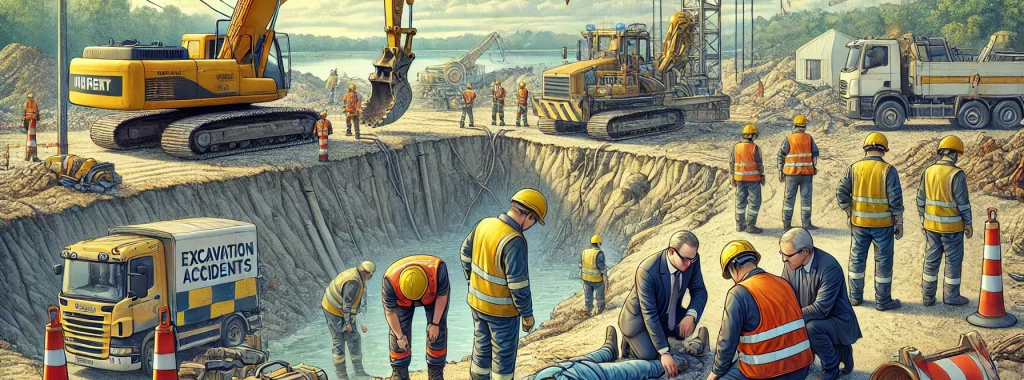
Safety measures are paramount any time a construction project requires digging. Caught-in or between hazards are related with excavations in construction work because workers can be trapped, crushed between heavy materials, machinery, or collapsing earth. Understanding these risks is essential for ensuring safety on excavation sites.

Understanding the Hazard: Key Considerations

Individuals can be caught or compressed between various objects leading to serious injury. This type of hazard, among other objects including cave-ins and interactions with equipment or heavy materials, poses significant risks within construction and excavation environments and is often the cause of critical accidents or even death. It’s essential to comprehend these dangers in order to establish robust safety protocols.

Instances where individuals may become trapped include trench collapses as well as entanglement in machinery operations during excavations. Such events are not rare and carry the potential for catastrophic outcomes. Excavation sites frequently present a high risk due to unfortified and unprotected trenches, which might abruptly collapse without any warning signs, possibly resulting in grave injuries or loss of life among workers.

Cave-ins specifically represent the greatest risk most severe threat associated with these hazards because they can quickly lead to an individual being fatally crushed or suffocated by soil and debris. Consequently, it is vital for those participating in digging activities to have comprehensive knowledge about identifying and minimizing such dangers meticulously. Every single hazard needs thoughtful consideration.

Common Excavation-Related Hazards

Work in excavations is fraught with danger, necessitating worker awareness of several prevalent hazards. Cave-ins stand out as the most serious threat in these situations, carrying a substantial risk of either crushing or suffocating those caught within. The unpredictable nature of such collapses underscores the critical need for safety measures during excavations.

Encounters with dangers where workers might get trapped can also occur due to machines without safeguards, open excavations left unprotected, and walls that collapse amid demolition activities. An added peril comes from heavy equipment that may tip over while being used for excavation work. This could result in severe crush injuries if a worker were to be ejected from such machinery. These risks represent actual challenges faced regularly by individuals working at excavation sites.

The atmosphere inside trenches can present its own set of perils, including exposure to poisonous gases which have the potential to cause chemical burns or even lead users toward asphyxiation. There is also a grave concern for trench drownings when they become filled with water, sewage, or hazardous chemicals—underscoring another aspect of how dangerous excavation efforts can be. Recognizing these risks paves the way forward toward discussing methods to curb them effectively.

Risks to Life and Limb

Caught-in or between hazards, like cave-ins, pose significant risks in construction and excavation projects. These hazards occur when a worker’s body is trapped, crushed, or compressed between objects or materials. Here are some common risks associated with these hazards:

  1. Crushing and Asphyxiation: When a trench or excavation site collapses, workers can be quickly engulfed by soil or debris, causing crushing injuries or asphyxiation due to the weight and pressure of materials.
  2. Traumatic Injuries: Workers caught between moving equipment or heavy materials can suffer severe injuries, such as broken bones, internal injuries, or amputations.
  3. Falling or Sliding Material: Improperly stacked or secured materials can shift or slide, trapping workers beneath or between heavy objects, especially when equipment like cranes or forklifts is involved.
  4. Unstable Soil Conditions: Poor soil stability and lack of protective systems can lead to unexpected cave-ins, trapping workers who are in or around the excavation area.
  5. Equipment Malfunctions: Mechanical failures of heavy machinery used for lifting or moving materials can result in accidents where workers are caught between malfunctioning parts or in unintended load drops.
  6. Limited Escape Routes: In excavation sites or narrow spaces, workers may have limited escape routes if a collapse or other accident occurs, making rescue efforts difficult and increasing the risk of injury or fatality.
  7. Lack of Visibility: In busy construction zones, especially where equipment is moving in and out of narrow spaces, workers may not be visible to operators, heightening the risk of being caught or struck.

Mitigating these risks typically involves using protective systems (like trench boxes and shoring), clear communication, proper use of machinery, and strict adherence to safety protocols and OSHA guidelines for excavation and trenching safety. Regular training and situational awareness also play crucial roles in preventing caught-in or between incidents.

Preventive Measures for Excavation Sites

Implementing preventative strategies at digging locations is vital for reducing the dangers of hazards related to being caught in or between objects. These actions safeguard employees and align with mandatory legal standards.

Employers are legally obligated to maintain a safe work environment, adhering strictly to OSHA regulations aimed at protecting laborers from intense perils. Should an employer fail to report workplace fatalities or grave injuries as required by OSHA, they may face serious legal repercussions.

To minimize the incidence of workers being trapped in or between hazardous zones, protective steps can be taken including adequately securing equipment and verifying load stability.

Protective Equipment and Safety Gear

To protect and enhance safety during excavation work, it is crucial to utilize appropriate protective gear and equipment. Trench boxes serve as a critical safeguard by offering stability and shielding workers from the threat of a cave in and-ins. The deployment of these structures plays an essential role in averting soil collapses, thus providing vital protection for individuals engaged in digging activities.

Avoid Wearing Loose Clothing

Workers are advised against wearing loose garments that could become entangled while operating near heavy machinery or within excavation zones. Such attire significantly increases the risk of severe injury resulting from becoming ensnared by unshielded or poorly serviced machines. Maintaining tight-fitting clothing can help circumvent such hazards.

In order to maintain optimal safety levels and reduce exposure to potential dangers at sites where earth-moving occurs, employing suitable protective measures is indispensable. This approach ensures the wellbeing of those present on-site by lessening the risks associated with excavation endeavors.

Employee Training

Establishing secure work practices is essential for guaranteeing safety within excavation sites. By providing workers with appropriate training regarding the dangers associated with excavations and instructive safety measures, the occurrence of mishaps can be greatly minimized. Such education allows workers to become well-versed in following safety protocols and identifying imminent risks.

Monitoring Underground Utilities

To mitigate the risk of utility-related incidents, it is imperative to accurately detect and demarcate underground utilities prior to commencing any digging activities. The establishment of clear markings for these subterranean services is a crucial step in safeguarding infrastructure from harm while diminishing the likelihood of accidents associated with unintended utility strikes.

It’s essential that before breaking ground, procedures are undertaken to pinpoint the positions of buried underground utilities. This serves as a pivotal measure in steering excavation projects away from unforeseen disruptions, thereby preserving both structural integrity and safety by significantly lowering the chances of mishaps linked to the underground utilities and facilities.

Calculating Loads Carried by Scaffolds

In construction scaffolding, “loads carried” refers to the total weight or force that a scaffold structure is designed to support safely. This includes not only the weight of the scaffolding materials themselves but also the weight of workers, equipment, materials, and any additional forces or loads that may be placed on it during use. Loads carried are typically classified into three main categories:

  1. Dead Load: The weight of the scaffolding components themselves, including frames, planks, and braces. This load is constant and doesn’t vary over time.
  2. Live Load: The weight of all additional items placed on the scaffold, such as workers, tools, and materials. This load can vary significantly depending on the tasks being performed on the scaffold.
  3. Environmental Loads: External forces, like wind or debris, that can impact scaffolding stability, especially on higher or more exposed projects.

The capacity of large scaffolds to handle these loads safely is critical for preventing accidents, ensuring stability, and complying with safety regulations. Proper load calculations and load testing are essential for safe scaffold setup and operation on construction sites.

Legal Considerations in Case of Injury or Death

Adhering to OSHA guidelines is crucial for safeguarding those involved in excavation work, which encompasses the implementation of protective measures and adherence to precautionary practices. Responsibility for injuries or fatalities may fall on a range of entities including contractors and manufacturers of equipment. Intensive investigation into accident reports is typically required in legal proceedings related to excavation accidents, with the goal of pinpointing culpability and gauging the extent of injuries incurred.

Consultation with a legal expert following an incident at work ensures that your interests are upheld while addressing the intricacies associated with claims pertaining to workers’ compensation. It’s vital that injured employees seek prompt treatment from approved medical practitioners as this forms part of ensuring eligibility for workers’ compensation benefits. Attorneys adept in workplace injury law play an instrumental role in securing just compensation covering healthcare costs, lost earnings, and other repercussions stemming from occupational mishaps.

How to Seek Legal Help

Workers who have suffered serious injuries through caught-in or between hazards may be entitled to additional compensation beyond the typical workers’ compensation if their conditions are deemed severe. The Law Offices of Nicholas Tzanateas focuses on work-related injuries, boasting more than two decades of expertise in handling personal injury lawsuits throughout New York City’s boroughs, including Brooklyn and Manhattan. The law firm has managed numerous cases involving excavation-related harm.

Frequently Asked Questions

What are caught-in or -between hazards?

Hazards that involve the danger of individuals being trapped or compressed between multiple objects, including machinery, materials, or as a result of cave-ins, present considerable risks to safety.

To reduce these dangers in the workplace, it is crucial to employ adequate safety measures.

What are the common causes of caught-in or -between hazards in excavation work?

Caught-in or -between hazards in excavation work commonly arise from unguarded machinery, or unprotected trench excavations, collapsing walls, and heavy equipment tipping over.

It is crucial to address these risks to ensure worker safety.

What preventive measures can be taken to mitigate these hazards?

To reduce the risks associated with these dangers, it is critical to adopt precautionary steps. This includes employing trench boxes for protection, providing thorough training to workers, prohibiting the wear of loose clothing that could pose a risk, and carrying out consistent safety inspections while keeping a watchful eye on underground utilities.

Such measures are instrumental in substantially improving the safety conditions at work sites.

What should I do if I am injured in an excavation accident?

If you are injured in an excavation equipment accident, seek immediate medical attention and notify your employer in writing within 30 days.

It is also advisable to consult an experienced attorney to understand your rights and options.

How can The Law Offices of Nicholas Tzanateas help with excavation-related injury cases?

With more than 25 years of expertise in personal injury law, the Law Offices of Nicholas Tzanateas are well-equipped to help clients with injuries related to excavation secure compensation for medical costs, lost income, and additional damages.

The firm’s focus on severe work-related injuries guarantees that clients obtain the committed assistance necessary during such difficult times.

Accessibility Tools
hide