
Construction accidents represent the most scrutinized workplace incidents in the United States, where the Occupational Safety and Health Administration (OSHA) enforces federal standards under 29 CFR Part 1926 to investigate, cite, and prevent the injuries that claim over 900 construction worker lives annually. With construction workers accounting for approximately 20% of all workplace fatalities in 2023, despite representing a much smaller portion of the workforce, these accidents trigger immediate OSHA involvement, potential six-figure penalties, and comprehensive investigations that can reshape how companies operate on job sites.
Understanding OSHA’s role becomes critical when construction accidents occur, as the administration’s response determines whether incidents result in citations, work stoppages, or costly abatement requirements that affect project schedules and company reputations.
This guide focuses specifically on OSHA’s role in construction accidents, covering the investigation process, key regulations under 29 CFR Part 1926, typical accident causes, employer reporting duties, and worker rights when safety violations occur. The scope includes practical prevention strategies and the enforcement process that follows serious incidents.
Why This Matters
Construction accidents trigger immediate OSHA involvement, which can result in penalties of up to $165,514 for willful violations, project shutdowns, and legal liability extending far beyond workers’ compensation coverage. With over 99% of construction accidents deemed preventable through proper safety protocols, understanding OSHA’s standards and enforcement process directly impacts worker lives, project continuity, and business viability in an industry where safety violations can destroy companies overnight.
What You’ll Learn:
- How OSHA defines and tracks construction accidents using specific reporting criteria
- Which OSHA construction standards most frequently connect to serious accidents (falls, trenches, scaffolds, electrical hazards)
- The step-by-step process of OSHA inspections and investigations following major incidents
- Employer responsibilities for reporting construction accidents and maintaining compliance
- Worker rights when OSHA construction safety rules are violated or ignored
- Proven strategies to reduce OSHA construction accidents and create defensible safety programs
Understanding OSHA Construction Accidents
OSHA construction accidents encompass any workplace incident on sites that results in worker injury, illness, or death, with the administration using specific criteria to determine which cases require investigation, citation, or enforcement action. OSHA relies on data from the Bureau of Labor Statistics and employer-reported incidents to identify patterns that drive targeted inspections and regulatory updates.
Construction accidents carry heightened significance because the industry’s inherent hazards—heavy equipment, elevated work, trenching, electrical systems—create conditions where minor safety lapses frequently result in fatalities or permanent disabilities.
What Is OSHA and Its Role in Construction Safety?
OSHA was established in 1970 to ensure safe working conditions across American industries. Safety in the construction industry is primarily governed by 29 CFR Part 1926, “Safety and Health Regulations for Construction,” which sets standards for fall protection, excavation, scaffolding, electrical work, and personal protective equipment on job sites.
How OSHA Defines a Recordable Construction Accident
OSHA distinguishes between “recordable” incidents, which must be logged on Form 300, and “reportable” cases that require immediate notification to authorities. Recordable construction accidents include injuries requiring medical treatment beyond basic first aid, cases involving days away from work, job transfers, or restrictions, and work-related illnesses developing over time.
Reportable incidents demand immediate OSHA notification and include construction worker deaths, in-patient hospitalizations, amputations, and eye losses occurring within specific timeframes. Understanding recordability helps employers track patterns that predict serious construction accidents and potential OSHA enforcement actions.
Common Types of OSHA Construction Accidents (“Fatal Four” and Beyond)
OSHA’s “Fatal Four” hazards dominate construction fatalities: falls accounting for 38%-39% of construction worker deaths, struck-by incidents comprising 17%, caught-in/between hazards representing 2%-5%, and electrocutions contributing approximately 8% of fatalities. These four categories historically account for roughly 60% of all construction workers’ deaths, making them primary targets for OSHA investigations and citations.
Beyond the Fatal Four, OSHA frequently investigates trench cave-ins, scaffolding collapses, crane incidents, chemical exposures, equipment rollovers, and vehicle-related accidents on construction sites. Because these accidents typically involve specific hazards addressed by dedicated OSHA standards, investigators can directly link incidents to regulatory violations and establish clear citation pathways.
Key OSHA Construction Industry Standards Linked to Accidents
When OSHA construction accidents occur, investigators immediately refer to specific standards in 29 CFR Part 1926 to determine compliance and establish violations. These standards represent the most frequently cited regulations following serious incidents and form the backbone of effective prevention programs.
Understanding which standards apply to different accident types helps employers anticipate OSHA’s investigation focus and implement targeted safety measures.
Fall Protection (29 CFR 1926 Subpart M)
Falls consistently rank as the leading cause of construction worker deaths and generate the highest number of OSHA citations annually, with over 5,900 violations recorded in recent enforcement cycles. Subpart M requires specific protections, including guardrail systems at six feet and above, personal fall arrest systems, safety nets, and hole covers, along with comprehensive training for workers exposed to fall hazards.
This directly relates to OSHA construction accidents because fall investigations focus intensely on whether required protections were installed, maintained, and used correctly, with violations frequently resulting in willful citations when basic safeguards are completely absent.
Scaffolds and Elevated Work (Subpart L)
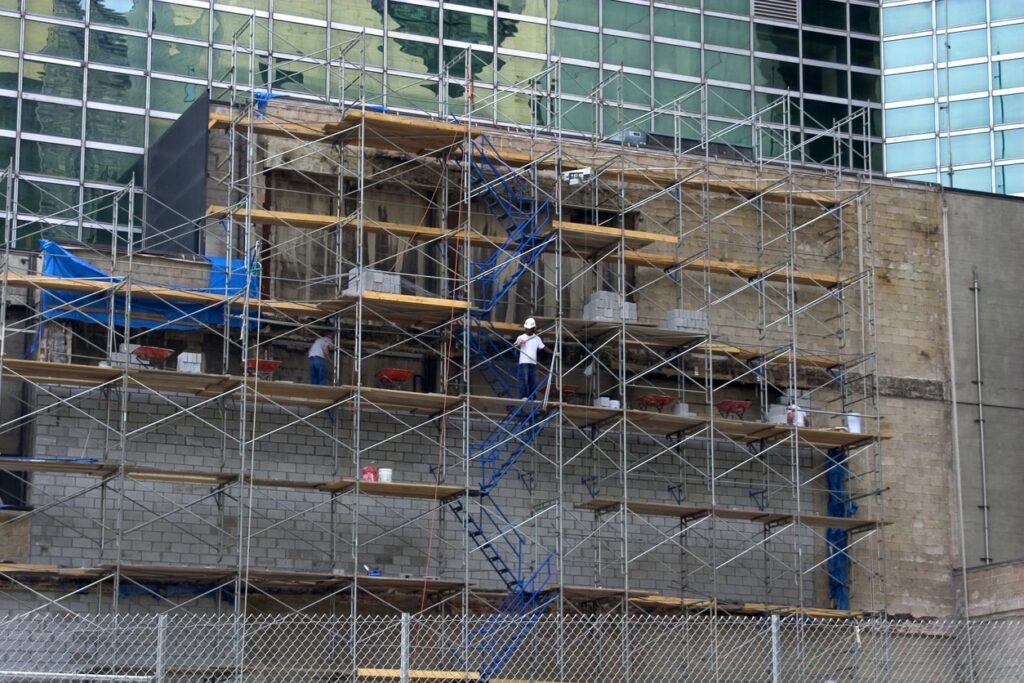
Common scaffold accidents include platform collapses, falls from inadequately protected work surfaces, and injuries from falling tools or materials striking workers below. OSHA’s Subpart L mandates competent person inspections, proper planking and load distribution, access requirements, and guardrail protection for elevated work platforms.
OSHA routinely issues multiple citations under Subpart L following scaffold-related injuries, particularly when investigations reveal missing inspections, overloaded platforms, or improvised access methods that violate established standards.
In New York, scaffold-related incidents carry even greater legal exposure due to the state’s Scaffold Law (Labor Law §240), which imposes absolute liability on property owners and general contractors for elevation-related injuries. New York’s law centers on worker protection and does not allow comparative negligence as a defense. If a worker is injured in a gravity-related accident—such as a fall from a scaffold or being struck by a falling object—the owner or general contractor may be held liable regardless of whether safety equipment was provided or the worker contributed to the incident. As a result, even minor lapses in scaffold protection can escalate into high-severity claims, making strict adherence to both OSHA Subpart L and New York-specific requirements essential for risk mitigation.
Excavations and Trenches (Subpart P)
Trench accidents create some of the most severe OSHA enforcement actions due to the high fatality rate when protective systems fail. Cave-ins, engulfment, falling loads, and hazardous atmospheres in trenches over five feet deep require protective systems including sloping, shoring, or shielding, plus daily competent person inspections and safe access/egress.
Unlike fall or scaffold accidents, where violations might be classified as serious, trench fatalities routinely trigger willful citations when protective systems are entirely absent, reflecting OSHA’s recognition that trench hazards are well-known and preventable.
Electrical and Lockout/Tagout on Construction Sites (Subparts K & related)
Construction electrical accidents frequently involve contact with overhead power lines, energized electrical panels, temporary power system failures, and inadequate lockout/tagout procedures on equipment maintenance. Subpart K establishes clearance distances, temporary power requirements, and grounding specifications, while lockout/tagout principles apply when construction workers service machinery or electrical systems.
In contrast to mechanical hazards, electrical incidents often involve invisible dangers that require strict procedural controls and specialized training, making documentation and training records critical elements in OSHA’s post-accident investigations.
Personal Protective Equipment (PPE) and Hazard Communication (Subparts E & D)
OSHA requires construction employers to provide and ensure proper use of hard hats, eye protection, high-visibility clothing, respirators, and hearing protection based on site-specific hazards. Hazard communication standards mandate proper labeling, Safety Data Sheets, and training for chemical exposures common on construction sites, including concrete additives, solvents, and welding fumes.
Key Points:
- OSHA investigators examine whether appropriate PPE was provided, used consistently, and maintained according to manufacturer specifications
- Failure to train workers on PPE selection and use generates frequent citations after head, eye, or respiratory injuries
- PPE serves as a supplement to engineering controls and safe work practices, not as a primary protection method
Understanding which standards apply becomes critical when an OSHA investigation begins after a construction accident, as violations across multiple standards can result in citation packages exceeding $100,000.
OSHA Investigations, Reporting, and Employer Duties After a Construction Accident
When construction accidents result in serious injuries, hospitalizations, or fatalities, OSHA’s investigative response can determine whether companies face minor citations or business-threatening penalties. This section explains the reporting requirements, investigation process, and employer obligations that activate immediately following major incidents.
Proper response during the critical hours after an accident significantly influences OSHA’s investigation scope and the severity of resulting citations.
Step-by-Step: Reporting a Serious Construction Accident to OSHA
When to use this: This process applies when construction employers experience worker fatalities, in-patient hospitalizations, amputations, or eye losses that meet OSHA’s current reporting thresholds.
- Ensure immediate medical response: Secure emergency medical care for injured workers and stabilize the accident scene without disturbing evidence that might be relevant to OSHA’s investigation.
- Determine reportability within required timeframes: Confirm whether the incident requires notification within 8 hours (fatalities) or 24 hours (hospitalizations, amputations, eye losses) based on when the accident occurred and when the employer became aware.
- Contact OSHA using appropriate channels: Call the nearest OSHA Area Office, use the 24-hour hotline (1-800-321-OSHA), or submit online reports including date, time, location, number of injured employees, and a brief accident description.
- Preserve the accident scene: Avoid disturbing physical evidence, equipment positions, or environmental conditions except as necessary to rescue workers, remove immediate dangers, or prevent additional injuries.
- Begin internal documentation: Start collecting witness statements, photographs, equipment records, and training documentation to prepare for OSHA’s arrival and investigation.
- Update required recordkeeping: Record the incident on OSHA Forms 300, 300A, and 301 as appropriate, ensuring accuracy in injury classification and work-relatedness determination.
What Happens During an OSHA Construction Accident Inspection
OSHA construction accident investigations typically include an opening conference where inspectors explain their authority and scope, a comprehensive site walkaround examining physical conditions and equipment, document review covering training records and safety programs, employee interviews conducted privately, and a closing conference summarizing preliminary findings.
Investigators compare actual site conditions against applicable 29 CFR Part 1926 standards, focusing particularly on the specific hazards that caused the accident while also examining related safety program elements. Employers can designate representatives to accompany inspectors, request reasonable timeframes for document production, and later contest any resulting citations through established appeal processes.
Penalties, Citations, and Abatement in Construction Cases
OSHA classifies violations as other-than-serious, serious, repeat, willful, or failure-to-abate, with 2025 penalties ranging from $16,550 per serious violation to $165,514 for willful or repeated violations. Penalty calculations consider the gravity of the violation, employer size, demonstrated good-faith efforts, and safety history, with construction accidents frequently resulting in multiple citations across several Part 1926 standards.
Preventing OSHA Construction Accidents: Practical Strategies
While understanding standards and enforcement provides crucial context, daily prevention practices determine whether construction sites experience OSHA construction accidents or maintain incident-free operations. Effective prevention requires systematic approaches that integrate OSHA requirements into project planning, worker training, and ongoing hazard management.
Successful construction safety programs address hazards before they cause accidents rather than responding to OSHA investigations after injuries occur.
Building a Site-Specific Safety Program
Effective construction safety programs begin with written safety and health plans tailored to each project’s specific hazards, incorporating Job Hazard Analyses (JHAs) or Job Safety Analyses (JSAs) for high-risk activities like steel erection, concrete pours, and electrical installations. These programs require visible leadership commitment, designated competent persons with authority to stop unsafe work, and systematic integration of OSHA construction requirements into daily operations.
Site-specific programs address the unique combination of hazards, equipment, and work sequences that characterize individual construction projects, ensuring that generic safety approaches evolve into targeted protection strategies.
Training and Toolbox Talks That Actually Work
OSHA 10-hour and 30-hour construction courses provide foundational safety knowledge for workers and supervisors, respectively, covering major hazard recognition and basic regulatory requirements across construction trades. However, effective prevention also requires frequent, job-specific toolbox talks that address immediate hazards, such as fall protection setup, trench entry procedures, lockout/tagout implementation, and heavy equipment operation in specific work areas.
Unlike formal classroom training, toolbox talks are brief, informal discussions that reinforce safe practices for the work being performed that day, creating immediate relevance and opportunities for practical application.
Engineering Controls, Work Practices, and PPE Integration
The most effective prevention strategies prioritize engineering controls such as guardrail systems, trench protective systems, and equipment guarding over reliance on personal protective equipment alone. Safe work practices, including effective housekeeping, equipment spotter protocols, controlled access zones, and systematic lockout/tagout procedures, provide additional layers of protection.
Common Challenges in Reducing OSHA Construction Accidents (and How to Solve Them)
Despite regulatory requirements and safety training, construction sites continue experiencing preventable accidents due to persistent challenges that affect even well-intentioned safety programs. Understanding these patterns helps employers address root causes rather than symptoms of safety system failures.
Addressing these challenges systematically reduces both accident frequency and OSHA enforcement exposure.
Challenge: Production Pressure vs. Safety Compliance
Construction schedules create constant tension between productivity demands and the time required for proper safety setup, such as installing fall protection systems, establishing trench protective systems, or conducting pre-task hazard assessments. Supervisors facing deadline pressure may skip safety steps or accept substandard protective measures.
Build safety setup time into project schedules from the planning phase, empower competent persons to stop work when safety requirements are not met, and track leading safety indicators alongside production metrics to identify problems before accidents occur.
Challenge: Subcontractor Coordination and Multi-Employer Sites
Many OSHA construction accidents involve multiple employers working simultaneously on job sites, creating confusion about safety responsibilities, inconsistent safety standards, and gaps in hazard communication between general contractors and specialty subcontractors.
Establish clear safety responsibilities in all subcontracts, conduct comprehensive pre-construction safety meetings with all trades, implement shared worker orientation covering site-specific hazards, and maintain unified safety oversight through a single site safety coordinator.
Challenge 3: Inconsistent Training and High Turnover
Construction workforce turnover, seasonal employment patterns, and temporary labor create ongoing gaps in OSHA-required training, leaving inexperienced workers exposed to hazards they may not recognize or understand how to control.
Create standardized safety orientation programs for all new workers regardless of experience level, maintain centralized training records accessible across multiple projects, develop bilingual training materials for diverse workforces, and provide refresher training following any significant incidents or equipment changes.
Poor Incident Reporting and Near-Miss Tracking
Many minor injuries and near-miss incidents go unreported due to fear of blame, lack of reporting systems, or failure to recognize the predictive value of close calls in preventing serious construction accidents.
Implement anonymous reporting systems for safety concerns, establish non-punitive policies for reporting hazards and near-miss incidents, conduct regular analyses of incident trends in safety meetings, and recognize workers who identify and report potential problems.
Solving these systemic challenges dramatically reduces the probability of OSHA construction accidents while demonstrating the proactive safety culture that OSHA investigators recognize during compliance evaluations.
Workers’ Compensation Coverage for Construction-Related Injuries
Injuries sustained by construction workers in the course of employment are generally addressed through workers’ compensation systems. In New York, workers’ compensation may provide coverage for medical treatment, partial wage replacement (typically up to two-thirds of average wages, subject to statutory limits), rehabilitation services, and death benefits. While workers’ compensation operates as a no-fault system, the scope and availability of benefits depend on claim eligibility, documentation, and statutory requirements.
Additional Legal Frameworks Applicable to Construction Injuries in New York
Workers’ compensation does not preclude all other legal considerations arising from a construction-related injury. In certain circumstances, New York law allows injured workers or their representatives to pursue additional claims outside the workers’ compensation system, including actions involving third-party liability or wrongful death.
New York’s Labor Law imposes specific duties regarding jobsite safety and workplace conditions, particularly on property owners, general contractors, and other parties with control over the work environment. When injuries are alleged to result from unsafe conditions, inadequate safeguards, or failures to comply with statutory obligations, these provisions may be implicated. Understanding how these laws apply depends on the nature of the accident, the parties involved, and the degree of control exercised at the jobsite.
Next Steps
Understanding OSHA’s role in construction accident investigations, key regulatory standards, and enforcement processes, as well as specific New York construction laws, provides the foundation for both preventing incidents and responding appropriately when they occur. Effective construction safety requires combining regulatory knowledge with practical prevention strategies that address the industry’s unique hazards and operational challenges.
To Get Started:
- Review your current safety program against core OSHA construction standards including Subparts M (fall protection), L (scaffolds), P (excavation), K (electrical), and E (PPE)
- Audit your incident reporting procedures to ensure compliance with OSHA’s current reporting requirements and establish effective near-miss tracking systems
- Schedule updated training programs focusing on your three highest-risk site activities, incorporating both formal OSHA courses and job-specific toolbox talks
- Implement or strengthen anonymous reporting systems for safety concerns and near-misses, with regular review and response protocols
Contact the Law Office of Nicholas E. Tzaneteas
The Law Office of Nicholas E. Tzaneteas represents individuals injured in construction-related workplace incidents throughout New York City, including the Bronx, Brooklyn, Queens, and Manhattan. We focus on construction accidents and personal injury matters and have experience handling claims involving serious jobsite injuries.
Individuals injured in workplace accidents on construction sites in New York may have access to multiple forms of financial recovery, depending on the circumstances of the incident. These may include workers’ compensation benefits, as well as potential claims arising from alleged negligence by responsible parties. Available compensation can vary and may address medical expenses, lost income, and other damages recognized under New York law.
Additional Resources
These optional resources provide more detailed information and official references for readers seeking comprehensive information beyond this guide’s scope.
- OSHA Construction Industry Regulations: Complete text of 29 CFR Part 1926 available on OSHA’s official website with current standards and interpretation letters
- OSHA’s “Commonly Used Statistics” page: Current construction injury and fatality data updated annually with industry-specific trends and comparisons
- OSHA’s “Fall Prevention Campaign” materials: Free posters, fact sheets, and toolbox talk guides specifically designed for construction applications