The Role of Witnesses in Police Brutality Cases

Witnesses play a crucial role in police brutality cases, providing firsthand accounts that can either support or refute allegations of misconduct. Witnesses, whether they are bystanders, victims, or fellow officers, offer valuable perspectives that can help to construct a comprehensive understanding of the incident in question.

Police Officer Brutality Cases: A Growing Concern

police brutality cases appear to be on the rise. Research published in Forbesindicates that from 1980 to 2019, 32,000 Americans were killed as a result of police violence, with the number of deaths due to police brutality in the United States having increased in recent years from 0.25 per 100,000 in the 1980s to approximately 0.34 per 100,000 after the year 2010​​. This data suggests a troubling trend towards an increase in incidents of police violence.

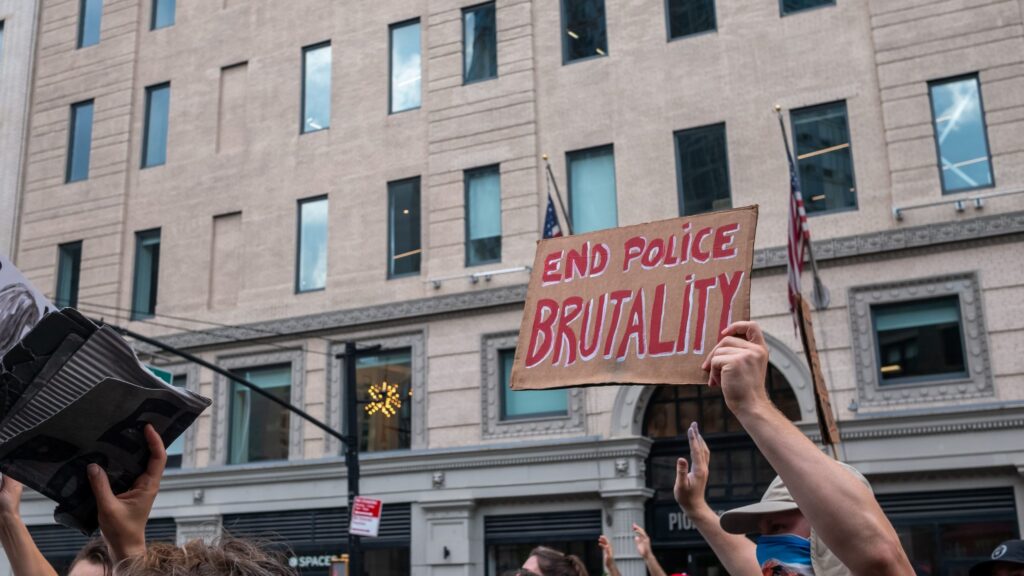
The issue was brought to a head in 2020 when George Floyd, a black man living in Minneapolis, Minnesota, died at the hands of police officers. For nearly nine minutes, an officer pressed his knee into Mr. Floyd’s neck, causing injuries that resulted in tragedy. Since then, organizations such as Black Lives Matter have been instrumental in documenting police officer encounters, collecting witness statements, and ensuring cops adhere to rigorous training and safety standards.

Police Brutality Witnesses: Their Stories

Witnesses to police brutality often share stories that are harrowing and deeply impactful, shedding light on instances of excessive force and abuse of power by law enforcement officers. These stories can vary widely in their specifics but commonly include several types of narratives:

  1. Physical Violence: Accounts of physical violence, including beatings, shootings, and the use of excessive force during arrests or stops. Witnesses may describe how officers used unwarranted force against individuals, often leading to serious injuries or fatalities.
  2. Psychological Abuse: Stories highlighting verbal abuse, intimidation, and threats used by police officers. Witnesses might recount how victims were subjected to racial slurs, unjust threats, or dehumanizing treatment during encounters with law enforcement.
  3. Unlawful Searches and Seizures: Descriptions of illegal or unjustified searches of personal property, homes, or vehicles without proper search warrant or warrants or just cause. These narratives often emphasize the invasion of privacy and the feeling of powerlessness against authority figures.
  4. Racial Profiling and Discrimination: Many witnesses share experiences that underscore the role of racial profiling in police encounters. These stories detail how individuals, particularly from minority communities, were targeted based on their race or ethnicity, leading to discriminatory treatment or violence.
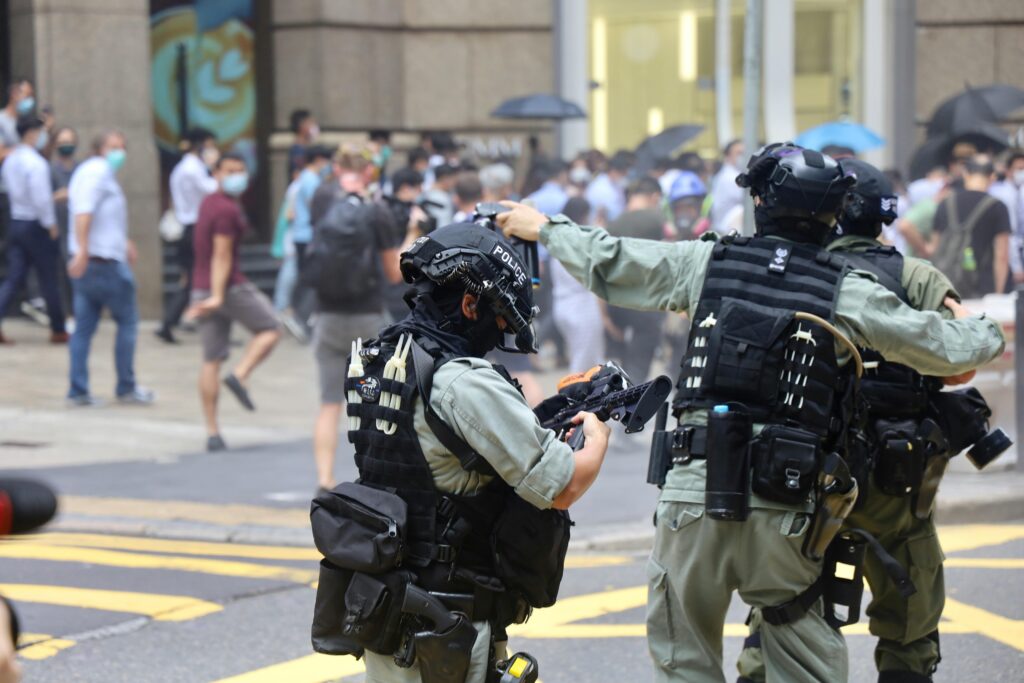
  5. Misuse of Non-Lethal Weapons: Accounts of the improper or excessive use of non-lethal weapons, such as tear gas, tasers, and rubber bullets, especially during protests or crowd control situations. Witnesses may describe the chaos and injury resulting from such actions, often in situations where the use of force was disproportionate to the threat.
  6. Emotional and Community Impact: Beyond the immediate incidents of brutality, witnesses also share stories about the long-term emotional trauma and community impact. These narratives can include the fear and mistrust of law enforcement that develops within communities, particularly those that are disproportionately affected by police violence.

Witness accounts are vital in illuminating the realities of police brutality, contributing to public discourse and response, and fostering movements for justice and reform. Their stories not only document individual instances of abuse but also help to reveal systemic issues within law enforcement practice

Responsibilities of Police Officers

police officers are generally sworn to use non-lethal force only as necessary, adhering to principles of proportionality, legality, and necessity. The exact guidelines and policies governing the use of force vary by jurisdiction, but there are common principles and responsibilities that police officers must follow to prevent brutality:

  1. Minimum Force: Officers are trained to use the minimum amount of force necessary to achieve a lawful objective. This means starting with verbal commands and, if necessary, escalating to non-lethal means before considering lethal force, and only if absolutely necessary to protect life.
  2. De-escalation Techniques: Police are increasingly trained in de-escalation techniques aimed at reducing the need for force. This includes communication strategies, negotiation, and other methods to calm potentially volatile situations and avoid violence.
  3. Proportionality: The force used must be proportional to the threat posed. This principle requires officers to assess the situation and use only the level of force appropriate to the threat level, ensuring that excessive force is not used in less threatening situations.
  4. Accountability and Transparency: Officers are responsible for documenting and justifying the use of force. Body cameras and incident reports are tools used to ensure transparency and accountability in police actions, allowing for review and investigation of force incidents.
  5. Training and Education: Police departments have a responsibility to provide ongoing training and education to officers on the appropriate use of force, legal standards, cultural competency, and other relevant topics to prevent brutality and misconduct.
  6. Community Policing: Engaging with the community and building relationships can help prevent police brutality by fostering mutual respect and understanding. Community policing strategies encourage officers to work closely with the communities they serve to solve problems collaboratively.
  7. Early Intervention Systems: Many police departments have implemented early intervention systems to identify officers who may be at risk of using excessive force. These systems can flag officers with multiple complaints or incidents and provide targeted training, counseling, or other interventions.
  8. Legal and Disciplinary Actions: There are legal and disciplinary frameworks in place to address police misconduct. Officers found to have used excessive force can face disciplinary action, including suspension or termination, as well as legal consequences, including criminal charges.

Overall, the responsibility of police officers in preventing brutality is anchored in the commitment to protect and serve while respecting the rights and dignity of all individuals. By adhering to these principles and responsibilities, law enforcement agencies aim to maintain public trust and ensure the safety and well-being of both officers and citizens in the communities they serve.

What Should You Do if You Witness Police Brutality?

If you witness police brutality, there are several steps you can take to safely report the incident and contribute to accountability. It’s important to act responsibly and cautiously to protect yourself and others involved. Here’s what you can do:

  • Document the Incident: If it’s safe to do so, record the incident with your smartphone or camera, capturing video or photos from a safe distance. Ensure you do not interfere with the police operation. Audio recordings can also be valuable if it’s not possible to get a visual record.
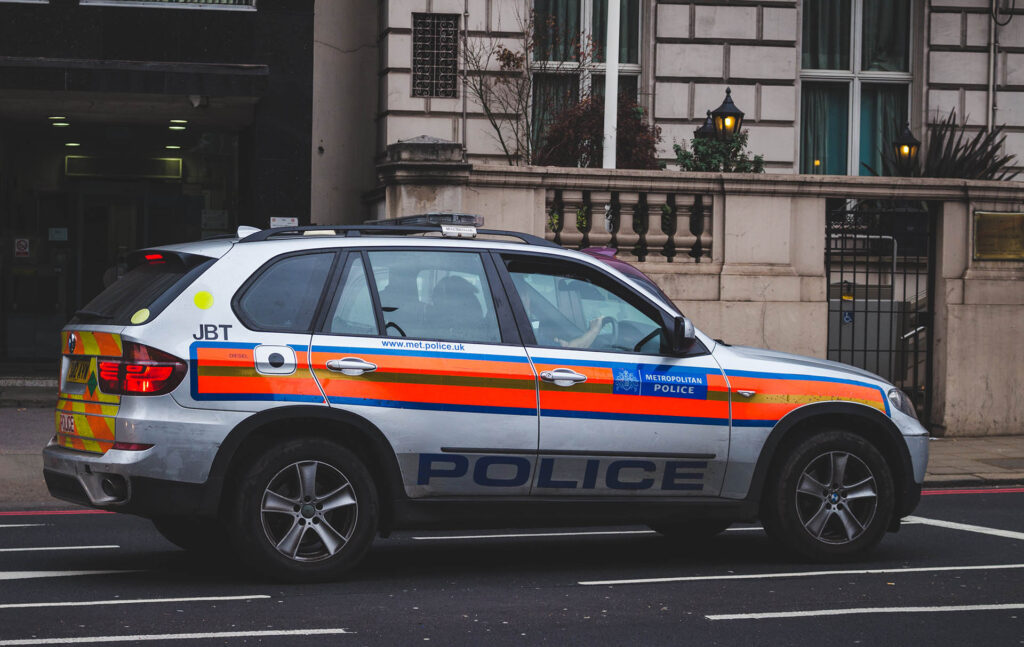
  • Take Detailed Notes: As soon as possible, write down everything you remember about the incident, including the date, time, location, badge numbers of the officers involved, patrol car numbers, and the sequence of events. Note any details about the individuals involved, including their physical descriptions.
  • Look for Witnesses: If other people witnessed the incident, ask for their contact information. Having multiple accounts can strengthen the credibility of the report.
  • Report the Incident: Report the incident to the appropriate authorities. This can include:
    • The police department’s internal affairs division or a civilian complaint board, if available.
    • Local or national civil rights organizations that can provide guidance or legal support.
    • The American Civil Liberties Union (ACLU) or similar organizations that deal with civil rights issues.
  • Use Caution When Sharing Information: Be careful when sharing information about the incident on social media or with others. Publicly sharing videos or details can have unintended consequences for both the victims and the investigation. Follow legal advice on how to proceed.
  • Stay Safe: Your safety is paramount. If you feel that reporting the incident or being publicly associated with it could put you at risk, take steps to protect your identity. You can make anonymous reports to some organizations or hotlines.
  • Follow Up: Keep track of your report and stay updated on any investigations or actions taken as a result. It may be necessary to provide further information or testify if the case goes to court.

Most importantly, seek legal advice: Consider consulting with a lawyer or an attorney who specializes in civil rights or police misconduct cases. They can advise you on the best course of action and whether you should pursue legal action.

Witnessing police brutality can be a traumatic experience, and taking action requires courage and prudence. By documenting the incident and reporting it to the appropriate authorities or organizations, you contribute to accountability and the broader effort to prevent future incidents of police misconduct.

The Right to Record What You See

If you live in New York City, you have the right to record police encounters in public spaces. This right is generally protected under the First Amendment of the U.S. Constitution, which guarantees freedom of speech and expression. Courts have interpreted this to include the right to record government officials, including police officers, in the course of their public duties.

While jurisdictional rules may differ, you can record police officers and police encounters whether or not those encounters involve police brutality. However, there are key considerations:

  1. Do not interfere: You must not interfere with the police officers’ duties while recording. Maintain a safe and reasonable distance to ensure that you do not obstruct their ability to operate.
  2. Public spaces: The right to record generally applies in public spaces where you lawfully have a right to be. Recording in private spaces without permission may violate privacy laws.
  3. Visibility: It’s advisable to make it obvious that you are recording. Secretive recording could potentially lead to legal issues or confrontations with the very police officer you are filming.
  4. Legal retention and seizure: Police officers do not have the right to delete your recordings or demand to view them without a warrant. However, in certain circumstances, a phone or camera might be seized as evidence, but this does not allow the officers to delete any recorded content.
  5. Know the local laws: While the right to record is upheld, local laws and regulations may have specific provisions regarding recording, including audio recording. New York is a “one-party consent” state for audio recordings, meaning that only one party involved in a conversation needs to consent to the recording. However, in the context of recording or filming police, the focus is on video in public spaces where there’s no expectation of privacy.
  6. Use of recordings: Recordings can be used as evidence in complaints or lawsuits alleging police officer misconduct or abuse. They can also be shared with media, social media, or civil rights organizations to raise awareness or seek justice in court or other legal venues.

Given the evolving nature of laws and technology, it’s also a good practice to stay informed about any changes in legislation or legal interpretations that might affect the right to record. Here, your attorney can help you understand your rights and responsibilities in regards to recording police encounters.

Call an Attorney Today

If you witness police brutality or your family members have experienced brutality or death at the hands of a law enforcement officer, you have specific legal rights. An experienced attorney can help you to preserve the record of your encounter, file with the appropriate regulatory agency, or pursue justice in the form of a legal claim.

Call an attorney today if you film police harming or killing another person during an arrest or other encounter. By coming forward with a police officer complaint, you are taking steps to prevent further abuses at the hands of police officials.

Police Misconduct: Your Rights and Legal Recourse in New York

When a crime is committed against you, you have the reasonable belief that the police are there to help you. That the law enforcement officers you see every day are worthy of your trust. In most cases, law enforcement officers can be and should be trusted. Unfortunately, that isn’t always the case.

What happens when a routine stop for blue lights leads to brutality against you? Not all criminals look and act like criminals. Sometimes the wear uniforms.

What is Police Misconduct?

According to the New York City Bar Association, police misconduct is: “…the result of intentional, negligent or reckless conduct that breaches the officer’s duty to faithfully execute the laws of New York and results in injury.”

The injury you suffer because of police brutality or unlawful conduct doesn’t have to be a physical injury, it can also be the emotional pain and suffering from humiliation, degradation, or ruination of a reputation. Physical violence against civilians, false arrests, or the infringement of your civil rights by a police officer is a crime, and it should be punished at the fullest extent of state and federal law.

Most Common Types of Police Misconduct

You trust that when you make that call for law enforcement, that when they arrive, they will do their duty faithfully, honorably, and with your safety in mind. That doesn’t always happen, and could become a victim of police misconduct. But what does that look like? What is considered police misconduct?

Here are the most commons citizen complaints against law enforcement agencies in New York:

  • Racial Profiling – discriminatory harassment, discriminatory misconduct, discriminatory traffic stops
  • False Arrest – false confessions, false imprisonment
  • Excessive force – excessive physical force used in the act of apprehension or detention of a civilian
  • Surveillance Abuse – using police department issued equipment to record you without authorization
  • Sexual Assault – sexual misconduct, coercive sexual conduct, aggravated sexual abuse, rape
  • Verbal Attacks – making false claims, verbal harassment in public, the use of racial or discrimiatory slurs
  • Abuse of Legal Power – using law enforcement resources to push for false confessions
  • Corruption and Bribes – taking money, favors, or asking for sexual acts in return for “looking the other way” or misplacing evidence

What if I Wasn’t Physically Injured?

Some injuries caused by police misconduct aren’t always visible. Sometimes the emotional toll is just as damaging. The humiliation, the shame, the pointed fingers, the loss of jobs/income because of false claims against you can be crippling.

In the case of a non-physical injury, police misconduct may be a little more difficult to claim, but not impossible. You are still a human being with rights, and when those rights are violated because of police misbehavior, you deserve justice.

What Can I Do if I’m a Victim of Police Misconduct?

Police misconduct cases are some of the most polarizing cases in New York City. Every day, millions of citizens put their trust in the men and women in uniform, and when one of those we’re supposed to trust is accused of discriminatory treatment, gross misconduct, impeding of civil rights, or acting in a manner that goes against the policies of the New York City police department or other local law enforcement agencies, you have the right to seek justice.

If you are injured at the hands of law enforcement officer, seek immediate medical care. Physical injuries caused by police brutality, excessive force, sexual abuse/assault, or the negligence of a law enforcement officer must be documented and reported. Pictures of the injuries and copies of the medical report will be critical evidence your civil rights lawyer will use to make sure the police officers accused are tried and punished for their actions.

Next, document the incident as best you can using your injury, witness statements, and a written report of your claims. With the advancements in law enforcement equipment such as body cameras and dash cameras, obtaining video and audio evidence of your police misconduct claim is much easier than ever. Your attorney will work to get this documentation for you, however, any documents you can provide for them, will make the process that much smoother for you.

What if Someone I Love Died in Police Custody?

Sadly, sometimes police misconduct, poorly executed police practices, and negligence can lead to death. In those wrongful deal cases, a civil rights attorney will work to prove that the deceased person was in good health before placed in police custody, and that direct or indirect (negligent) misconduct by law

The most important thing you can do if you are a victim of police misconduct or wrongful death is contact a civil rights attorney to file a claim against the New York City law enforcement agency and their law enforcement officer. Your lawyer is there for you to explain the process of filing a claim, and to do all the hard work of obtaining the evidence against the officer accused.

Call a civil rights attorney today for a free consultation and assessment of your case.

What a Brooklyn Police Brutality Lawyer Can Do for You

To better understand how a Brooklyn police brutality lawyer can assist you in cases involving police misconduct, it’s crucial to grasp the definition of police cruelty and its impact. This guide will delve into the meaning of police brutality and police misconduct. Examining the sub-sections of our guide will highlight the importance of addressing police brutality and seeking justice for victims affected by such misconduct.

Definition of police brutality and police misconduct

Police brutality and misconduct are serious problems that have been getting attention in recent years. Police brutality is defined as when law enforcement officers use excessive — too much — force. Misconduct is a broader term that may include corruption, racial profiling, false arrests, unlawful searches, and sexual harassment. These behaviors are unacceptable because it breaks people’s rights and lowers their trust in justice.

Steps for fighting brutality and misconduct behaviors

To fight police cruelty and misconduct, some ideas must be considered. Police officers should have training to learn how to deal with situations without violence. Also, community policing can help police officers and citizens have better relationships.

Body-worn cameras could be used on New York police officers to record interactions. This will ensure both sides know their actions are registered, and the chances of abuse will decrease.

Independent oversight boards or agencies should be created to investigate complaints against the police. This should be given enough resources and power to hold a police officer responsible for behavior.

Importance of addressing police brutality

Police brutality is an urgent issue that needs quick attention and action. The impact of excessive force is vast and can’t be downplayed. We need to recognize the matter, to create a just society.

We must comprehend police cruelty and the causes that fuel it. Acknowledging this is key, so we can make sure law enforcement is kept responsible. This includes setting stricter rules, having fair training, and encouraging citizens and police to work together.

Besides the social justice aspect, addressing police cruelty is substantial financially. Wrongdoing by police leads to a costly police misconduct lawsuit, which taxpayers must pay for. If we tackle the issue head-on, it will save money and create a safer environment.

The Guardian reported in 2020 that the police killed 1,064 people in the US. This shows just how critical the situation is.

The Role of a Brooklyn Police Brutality Lawyer

To better understand the role of Brooklyn NYC police brutality lawyers and the solutions they offer, let’s explore how they handle various aspects of police misconduct. This includes understanding police cruelty cases, conducting investigations and gathering evidence of criminal conduct, representing clients in civil lawsuits, and tirelessly pursuing justice for the victims involved.

Understanding police brutality cases

Police brutality cases are intricate and delicate. This is why a lawyer is necessary. They specialize in representing victims of police misconduct. These experts know constitutional law, and past rulings. This assists them in creating persuasive arguments for their clients.

Evidence like witness reports, security footage, medical info, and police records are collected and examined. An attorney is an advocate for the client throughout the legal process. They communicate with prosecutors to make sure criminal charges are issued when needed. Settlements or litigation are pursued. Each police brutality case is unique, so lawyers must adjust to serve their client’s needs. Lawyers have been significant players in raising awareness of police abuse and ensuring change in law enforcement officer behavior. Representing victims of injustice is crucial in forming a more equitable society.

History shows us that individuals have been exposed to brutality by officers from the past until today. From Rodney King in 1991 to more recent instances caught on video, incidents have sparked national protests. These events show the importance of brutality lawyers in fighting for justice and requiring accountability.

Investigating and gathering evidence

A New York police brutality lawyer must be meticulous and devoted to justice. They need to know the state and federal laws about excessive force, wrongful arrests, and rights violations.

Also, they must build a network of experts who can give insight and testimony. These may include medical professionals, forensic specialists, or psychologists who can explain the effects of the incident on the victim.

Finally, collaborating with private investigators or other attorneys is essential for a successful outcome. This will increase the chances of getting justice for the victim.

Representing clients in civil lawsuits

A Brutality Lawyer is essential for successful civil lawsuits. Here are 5 must-haves for representing clients in such cases:

  • Thorough investigation and evidence collection.
  • Drafting legal documents such as complaints, motions, and briefs.
  • Negotiating settlements or going to trial.
  • Counseling clients during the process.
  • Adhering to ethical standards while advocating justice.

A Brutality Lawyer must communicate well and maintain professional relationships. They also possess unique expertise in handling police misconduct cases. They understand legal frameworks and police procedures to represent clients effectively.

Here’s a true story. A Brutality Lawyer represented an activist falsely arrested, during a protest. Their expertise led to the client’s acquittal while exposing unlawful practices in the police department. This success brought justice and contributed to reforms protecting citizens’ rights.

Pursuing justice for victims

These police misconduct lawyers are devoted to their clients, giving them support and direction through the legal procedure. They examine incidents, collecting data and testimonies to create solid cases against the responsible parties. Analyzing each aspect of the case, they aim to prove constitutional rights violations and establish fault.

Brooklyn police cruelty lawyers understand how such occurrences can negatively affect people’s physical, mental, and financial states. They negotiate skillfully with insurance companies or litigate if needed, to get reasonable compensation for medical costs, lost wages, and other harms. Moreover, they assist victims in filing complaints with appropriate authorities.

It’s essential to remember that police cruelty affects people of all kinds. These police misconduct lawyers work hard to tackle systemic issues and promote policy changes that ensure responsibility within law enforcement agencies. Combining their legal knowledge with their enthusiasm for social justice, they help make a safer environment for all.

As reported by The Guardian in 2020, over 1,000 cases of alleged police misconduct were reported in New York City alone that year. This colossal number shows the significance of Brooklyn police cruelty lawyers’ part in seeking justice for victims and making those who misuse their power answerable.

Legal Options for Those Affected by Police Brutality

To seek justice for instances of police brutality, you need to explore your legal options. Filing a civil lawsuit against the police department, seeking compensation for medical bills and lost wages, and exposing constitutional rights violations are the solutions you can consider.

Each sub-section below addresses a different aspect of the legal recourse available to those affected by police misconduct.

Filing a civil lawsuit against the New York city police department or an individual police officer

When suing in civil court, it’s necessary to get evidence. This could include medical records, photos, and witnesses. Consulting a lawyer specializing in police misconduct is the best way to get through the legal system.

Civil lawsuits can do more than just get compensation for hurts caused by police cruelty. They can also raise awareness and help bring change to law enforcement agencies. Victims can help promote reform by showing what happened to them.

If you’ve been a victim of police cruelty, don’t be scared or confused. Filing a civil lawsuit against the police department is a way to use your rights and be heard. Taking legal action isn’t only for yourself, but for future generations too.

Seeking compensation for medical bills and lost wages

When it comes to getting back money for medical costs, and income lost because of police brutality, there are a few legal choices. Here are three points to think over:

1. Taking court action: If you got hurt or lost cash due to police brutality, you can take court action against the officers or the dept. This could help you get money back for your medical bills and lost wages.

2. Checking out victim compensation programs: At times, victims of police cruelty can be eligible for assistance from victim compensation programs. These programs offer financial help to victims of violence, including refunds for medical expenses and lost salaries.

3. Looking at civil rights claims: Police brutality often involves breaking an individual’s civil rights. By working with an experienced lawyer, you can investigate the possibility of filing a civil rights claim against the offending officers or law enforcement agencies. This could lead to compensation for your medical bills and lost wages.

Also, bear in mind that every case is different. To completely understand your options, talk with a knowledgeable lawyer who works on police misconduct cases.

If you were hurt by police cruelty and are dealing with medical bills and lost wages, don’t wait any longer. Get legal advice immediately to protect your rights and potentially recover the compensation you deserve. Remember that time is essential for legal matters connected with police misconduct.

Exposing constitutional rights violations of police officers

Documenting evidence like videos, pics, and accounts can help to uncover constitutional rights violations by law enforcement, such as the use of excessive force, an unlawful search or arrest, or negligence. Journalists can also act as vital players in exposing police cruelty and presenting it to the public, bringing attention to more significant problems.

Social media can give victims a place to share their stories, getting visibility and backing for justice. Legal investigations into reported incidents can find any potential constitutional rights violations. Citizen reporting can help to uncover constitutional rights violations too.

Knowing legal options and resources for victims of police brutality is essential. George Floyd’s wrongful death, at the hands of a police officer brought the nation to shock. His right to life was exposed, and conversations about reform and accountability emerged.

The battle against police cruelty needs vigilance when uncovering constitutional rights violations. Documentation, investigative journalism, social media, legal investigations, and citizen reporting can work together to bring justice to those affected.

The Significance of Legal Representation

To understand the significance of legal representation in police brutality files, turn to a brutality lawyer. Benefits of hiring a lawyer include their knowledge of federal laws and civil rights and their ability to maximize compensation for victims. With their expertise, justice can be sought, and fair compensation achieved.

Benefits of hiring a police brutality lawyer

Hiring a police brutality attorney can be hugely beneficial for those seeking justice for unlawful actions committed by law enforcement officers.

  • Expertise: They possess knowledge of the legal framework related to cases of misconduct by police. With their understanding, they can effectively work through complex legal processes.
  • Strong Advocacy: They serve as a strong advocate for victims, ensuring their rights are respected, and their voices are heard. They build a strong case and fight against any form of injustice.
  • Compensation and Accountability: If victims hire a lawyer, they have a higher chance of receiving a fair judgement or settlement for the physical, emotional, and financial damage caused by police cruelty. They also have a better chance of holding law enforcement accountable.

The lawyer provides guidance and support throughout all the legal processes. They give free and confidential consultation to bring reassurance and stability during stressful moments.

Mr. Johnson was an innocent bystander unjustly targeted by the police in a violent confrontation. He hired a police cruelty lawyer, who investigated, gathered evidence, and fought for justice in court. Mr. Johnson’s case set a precedent for similar cases in the future.

Getting a qualified lawyer’s help in these cases is important, as it gives victims hope for redress and serves as a deterrent against any form of abuse within law enforcement agencies.

Knowledge of federal laws and civil rights

An attorney’s broad understanding of federal laws allows them to represent their clients well and offer excellent advice. They ensure their clients stay up-to-date with all legislation, giving them trust and confidence in their relationship.

Attorneys also know civil rights inside and out. This helps them to take action if someone’s rights are threatened. Police misconduct lawyers ensure justice is served and no one is denied their rights.

Furthermore, police brutality attorneys with solid civil rights backgrounds can bring about positive change. They can oppose unjust laws or systems through their work, making society more equitable. They can also spot chances for reform and help form future regulations.

Finding a police misconduct attorney with deep knowledge of federal laws and civil rights is essential. Failing to do this could lead to missed chances, civil liability or a lack of constitutional protection.

Maximizing compensation for victims

An experienced lawyer can assess the value of a victim’s claim, considering different factors like medical costs, lost wages, pain and suffering, and future damages. They can create a case to maximize compensation.

Additionally, legal representation can negotiate with insurance companies or other parties for fair settlements. Insurance companies often try to reduce their payments by offering low amounts or blaming the victim. A skilled New York City police brutality attorney can handle these strategies and fight for their client.

Furthermore, legal advice can help with any obstacles, such as statutes of limitations, procedural requirements, or evidence and witness testimonies. Without legal guidance, victims may find it challenging to overcome these issues.

The lawyer carefully collected evidence like federal law- enforcement agency or police reports, medical records, and witness accounts. The law firm negotiated with insurance companies on Sarah’s behalf and created a solid case to show the extent of her injuries and financial struggles.

With the lawyer’s help, Sarah secured compensation for medical costs, treatment, lost wages, and more. Without quality legal representation, maximizing Sarah’s compensation would have been difficult.

Conclusion

To empower victims of police cruelty and address the need for systemic change in law enforcement agencies, the conclusion of this article highlights the importance of seeking legal assistance from a brutality lawyer. By understanding the sub-sections – empowering victims and the need for systemic change – we can see how legal solutions can provide justice and hold officers accountable for their misconduct.

Empowering victims of police brutality

Empowering victims starts with dedicated support networks. These provide counseling, legal help, and advocacy. They collaborate with community orgs, law enforcement, and mental health professionals. Connecting victims to these resources helps them face the legal system and access support to heal.

Raising awareness of police brutality is crucial. This can be done through education campaigns, media, and community talks. This sheds light on issues and encourages empathy from the general public.

Holding those responsible for police brutality is important. This needs strong oversight and transparency in investigating misconduct. This sends a clear message that police brutality won’t be tolerated.

Effective channels for reporting incidents of police brutality are essential. This includes user-friendly complaint processes that protect victims’ confidentiality and safety. Making it easier to come forward with experiences brings attention to cases that could go unnoticed.

The need for systemic change in law enforcement agencies.

Law enforcement agencies are vital for maintaining law and order. But, their current state calls for a major overhaul. Racial discrimination is a significant issue. Multiple incidents have shown that minority communities are targeted disproportionately and more forcefully. This breaks down public trust and reinforces systemic injustices. To fix this, reforms must ensure equal treatment for all, regardless of race or ethnicity.

Governor Cuomo and State Leaders Fail to Pass the Safer NY Act Constructed to Better Protect New Yorkers

The Safer NY Act was written to provide the public with greater protection from police brutality and to provide for a higher standard of human safety. It recently failed to pass legislation. Supporters believe the passing of the bill would have initiated a real difference in the criminal justice system throughout Brooklyn and New York. Over 100 organizations, advocates, and families took several months to talk to Cuomo and the state legislature about the priorities of the package of bills and why it desperately needed to pass legislation.

The growing need for checks and balances among law enforcement addressed in the bill included measures to hold police officers accountable for their actions. Additionally, two bills would have reduced unnecessary arrests among both marijuana users and non-criminal violators.

The Safer NY Act Package included:

  • PoliceSTAT Act – a mandatory statewide reporting on policing of low-level offenses and deaths in police custody.
  • Repeal of 50 – a legislation.
  • Strengthening and expanding the Special Prosecutor Executive Order.
  • Marijuana Regulation and Taxation Act, a new framework of justice to begin the legalization of marijuana.
  • Reducing Unnecessary Arrests by taking a realistic approach to handling non-criminal violations (banning custodial arrests).

None of the above-mentioned Safer NY Act’s bills passed the State Senate this session. The PoliceStat Act did pass the Assembly for the fourth consecutive year but didn’t progress any further.
While the majority of police officers uphold their oath to protect and serve, occasions of police brutality in Brooklyn do exist, and that’s where can help.

There are specific steps you should take when hurt through the use of excessive police force.

  • First and foremost, It’s critical for victims of police brutality to get medical attention. As long as they are not in danger themselves, police officers must obtain medical care for the injured, including those hurt through excessive force. The US Supreme Court ruled in the 8th Amendment to the Constitution that people in police custody have a right to receive adequate medical care.
  • If you’re hurt by police and denied medical help, then go to the emergency room or doctor immediately following your release from custody. While medical care is vital to your physical recovery, the records serve as evidence in your case.
  • When seeking to make a case of police brutality, you must do more than prove excessive force took place. You must show injuries resulted from such force.
  • Document what happened, including when and where the incident, took place.
  • Take photographs of physical injuries to provide evidence for the support of your claims.
  • Include the name and badge number of the police officer responsible for hurting you.
  • List all officers and other people who you believe witnessed the incident. Additional evidence, such as video recordings, may be available from nearby businesses or residents.

Contact the Law Office of Nicholas E. Tzaneteas today to speak with a Brooklyn police brutality attorney about your case. Consultations are confidential and free, so that you may get into the details of your case without fear of upfront costs or reprisal. Call 718-260-6771, email [email protected], or fill out the online form to schedule a consultation.

Accessibility Tools
hide