Ceiling Collapse Repair in NYC: What To Do After a Ceiling Fails

Home » Ceiling Collapse Repair in NYC: What To Do After a Ceiling Fails
Table of Contents
ToggleCeiling collapse repair in NYC is an urgent matter that demands immediate action-whether you’re dealing with plaster crashing down in a pre-war walk-up or drywall giving way in a post-war apartment building. When a ceiling fails, the safety of everyone in the home comes first, followed by a sequence of practical, medical, and legal steps that can determine how quickly you recover and whether you receive fair compensation. This article focuses specifically on the structural repair process, tenant safety, and legal rights available to New York City residents.
If you’re an NYC renter in a rent-stabilized building, a condo or co-op owner, or a family injured or displaced by a ceiling collapse in Manhattan, Brooklyn, Queens, the Bronx, or Staten Island, this guide is for you. Here are the key things you’ll take away from this article:
- How to recognize warning signs of ceiling sagging and impending collapse in NYC apartments and common areas.
- Step-by-step actions to take immediately after a ceiling collapses, including medical care and legal steps.
- How ceiling collapse repair actually works-from removing damaged drywall and plaster to rebuilding framing and completing mold remediation.
- What NYC tenants’ rights are, when landlords or the City may be liable, and how the Law Office of Nicholas E. Tzaneteas helps recover compensation for injury and property damage.
- How to prepare for the repair process, deal with temporary relocation, and document losses for a future claim.
Understanding Ceiling Collapse in New York City Buildings
A ceiling collapse in NYC housing means the full or partial failure of plaster, drywall, or suspended ceiling systems-sometimes suddenly and without prior warning. Plaster ceilings may collapse without prior warning signs, making these events particularly dangerous. In a city defined by aging housing stock, long-term water leaks, and overloaded building systems, ceiling failures are far more common than most residents expect.
Typical NYC Building Conditions That Lead to Ceiling Failure
New York City’s building landscape spans pre-war walk-ups with lath-and-plaster construction, large rent-stabilized complexes, public housing developments, and high-rise condos. Each building type carries its own risks. Pre-war buildings often have plumbing made from cast iron or galvanized steel-materials that corrode over time and lead to chronic leaks. Flat roofs with deteriorated waterproof membranes allow water to sit and penetrate ceiling assemblies. Bathrooms above living spaces frequently leak through failing shower pans or toilet seals, and steam heating pipes can drip moisture into interstitial ceiling cavities for months or years before anyone notices.
Water damage is a common cause of ceiling collapse. Water intrusion weakens ceiling materials and can lead to collapse by saturating wood joists, rusting fasteners, and causing plaster or drywall to lose cohesion. Older plaster ceilings lose their grip on lath due to aging and settling–a process where fractured keys cause plaster ceilings to sag and collapse. Meanwhile, structural movement from foundation settling or remodeling can cause ceilings to sag or collapse even in buildings that appear well-maintained on the surface.
The critical takeaway for ceiling collapse repair: successful repair must address the underlying building defect, not only replace the visible ceiling surface. Simply patching drywall over a rotting joist or an active leak guarantees repeated failure.
Early Warning Signs of an Impending Ceiling Collapse
Recognizing the signs of an impending ceiling collapse can save lives and strengthen a future legal case. Visible warning signs include sagging or bulging sections of ceiling, spreading cracks (especially those that follow water stain patterns), bubbling or peeling paint, visible mold growth, and discoloration around light fixtures or sprinkler heads.
Non-visual signs are equally important. Creaking, popping, or cracking noises from above can signal structural distress. Small pieces of plaster or debris falling from the ceiling before a full collapse, or a “spongy” feel when gently pressing the ceiling, are red flags that demand immediate attention.
In many NYC cases, these warning signs appear after repeated 311 complaints or ignored maintenance requests. Documenting them early with time-stamped photos, written communications, and complaint reference numbers is critical for both safety and any potential legal claim.
Common Causes of Ceiling Collapse Requiring Repair in NYC
The warning signs described above are almost always symptoms of deeper, underlying physical problems. Identifying the root cause is essential not only for safe, lasting repair but also for proving landlord or city negligence in a legal case. Ceiling collapses commonly result from water damage, poor installation, or structural movement–and in NYC, all three are disturbingly frequent.
Water Damage From Leaks and Poor Maintenance
Water damage can weaken drywall or plaster ceilings to the point of sudden failure. Long-term roof leaks, especially from flat roofs with clogged drains or missing flashing, are a leading cause. Unaddressed bathroom or kitchen leaks from upstairs neighbors allow moisture to migrate through ceiling cavities, rotting wood lath and corroding metal fasteners. Chronic plumbing failures from aging pipes compound the problem, particularly in older NYC walk-ups and public housing where a plumber may not be called until damage is severe.
Water saturation leads to a cascade of failure: rusted screws and nails lose holding strength, wood framing swells and rots, and porous plaster or drywall crumbles. Mold colonizes damp materials, further weakening the structure while creating health hazards.
Inferior Materials, Improper Construction, and Code Violations
Not every ceiling collapse is caused by water. Improper installation can cause structural fatigue in ceilings over time. Using thin or low-quality drywall, inadequate fasteners, and improperly spaced framing can cause ceilings to sag and fail even in relatively new construction. Inadequate fasteners can cause drywall ceiling collapse.
Shortcuts during renovations in NYC, such as unpermitted work or ignoring NYC Building Code requirements, make collapse more likely and complicate repair. If a landlord or contractor cut corners, a ceiling collapse lawyer can investigate and use inspection reports, Department of Buildings (DOB) records, and expert testimony to support a claim. Poorly constructed foundations can also cause ceiling sagging through structural movement that transfers stress to upper-floor ceiling assemblies.
Pest Damage, Duct Issues, and Overloaded Ceilings
In older NYC buildings, termites, carpenter ants, rodents, and other pests can damage wood framing and lath above ceilings, undermining the support structure for plaster or drywall. These infestations often go undetected until significant structural damage has already occurred.
Excessive weight from insulation or heavy items can stress ceiling joists beyond their design capacity. Heavy mechanical systems–HVAC ducts, sprinkler lines, electrical conduits-or storage placed above suspended ceilings can overload the structure, especially when supports are improperly attached. Proper ceiling collapse repair in these cases often includes reinforcing framing, re-supporting ducts or pipes, and coordinating with licensed exterminators or mechanical contractors to address all contributing issues.
Immediate Steps to Take Right After a Ceiling Collapse
Safety precautions should be prioritized in the event of a ceiling collapse.
Emergency Safety and Medical Care
Immediate safety measures include evacuating occupants and shutting off utilities. Here’s the prioritized sequence:
- Evacuate the affected room immediately to avoid falling debris or a secondary collapse. Repairing a collapsed ceiling requires safety precautions and structural assessment before anyone re-enters the space.
- Shut off electricity in the impacted area to reduce electrocution risk from exposed wiring. Electrical issues should be addressed if wiring is compromised due to a ceiling collapse. If safe to do so, also shut off the water supply to limit further water damage.
- Keep children, elderly family members, and pets out of the area and away from dust, mold spores, and exposed nails or wires.
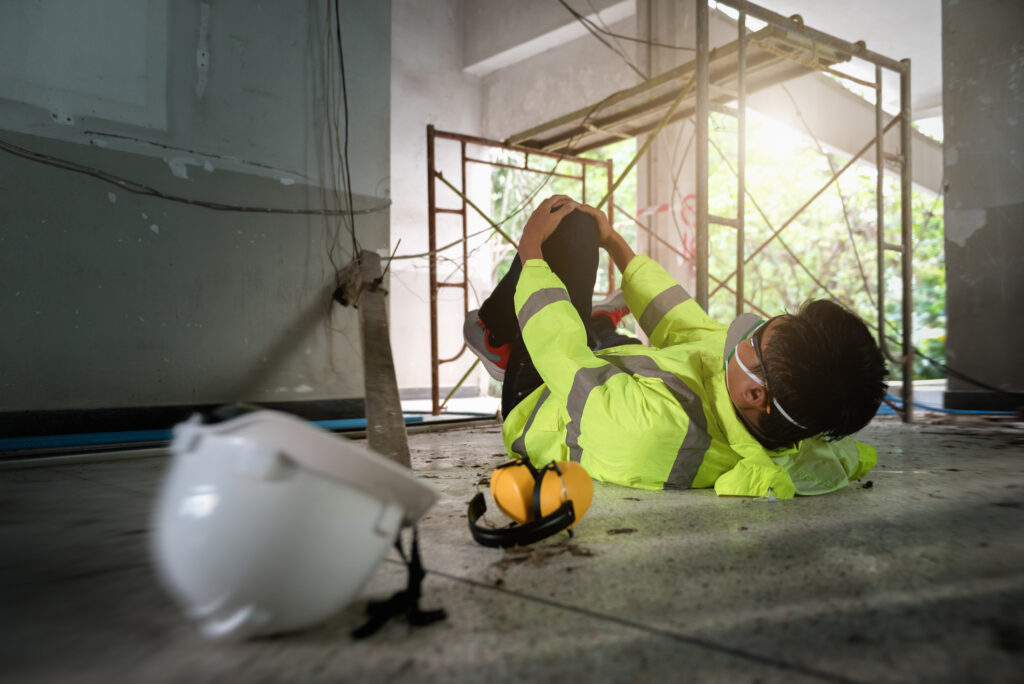
Any head, neck, or back injury, breathing difficulty, or heavy dust exposure requires prompt medical evaluation at an NYC emergency room or urgent care facility. Medical records created on the same day as the collapse can be crucial evidence in a future claim. Keep every medical document-these records directly support compensation for injury.
Documenting the Damage for Repair, Landlord, and Legal Claims
Documenting damage with photos is important for insurance claims regarding ceiling collapses. Take time-stamped photos and videos from multiple angles showing:
- The collapsed ceiling area, including debris on the floor and any damaged furniture, electronics, or personal belongings.
- Any visible leaks, exposed pipes, or mold, as well as water-stained areas beyond the visible collapse zone.
- Previous crack patterns, ceiling sagging, or bubbling paint if earlier photos or texts exist.
Save all texts, emails, and 311 reference numbers if leaks, cracks, or other issues were previously reported to the landlord, management company, or NYC agencies. These records help both contractors plan a thorough repair and establish a pattern of neglect that strengthens your legal case.
Notifying Your Landlord, 311, and Contacting an NYC Ceiling Collapse Lawyer
- Notify your landlord or management in writing immediately–by email or text-with photos and a clear description of injuries and damage.
- Call 311 to report unsafe conditions if the landlord is non-responsive or if the collapse affects the habitability of your place or your neighbors’ apartments.
- Contact an experienced New York City ceiling collapse lawyer such as the Law Office of Nicholas E. Tzaneteas as soon as practical–even before extensive cleanup-so they can advise on preserving evidence.
The Law Office of Nicholas E. Tzaneteas can coordinate with independent experts, help secure temporary housing costs, and begin evaluating liability while building repairs are being planned. Waiting too long to contact a lawyer can lead to lost evidence and weakened claims.
With safety secured and documentation underway, attention turns to the technical side of repairing and rebuilding the damaged ceiling.
How Ceiling Collapse Repair Actually Works in NYC Apartments
Once safety and documentation are handled, the repair process begins–usually involving licensed NYC contractors, building management, and sometimes structural engineers.
Inspection, Cause Identification, and Planning
The initial professional assessment sets the direction for the entire repair:
- Licensed contractors or engineers examine the collapsed area, surrounding ceilings, and any mechanical systems above. They probe above the ceiling to assess framing, joists, fasteners, and plumbing.
- They determine whether the cause was water intrusion, structural weakness, pest damage, or prior shoddy work. A professional assessment is necessary if there are structural concerns or compromised joists.
Accurate diagnosis influences not only how the ceiling is rebuilt but also which party–landlord, building owner, city, or contractor-may be responsible for damages.
Removing Damaged Materials and Addressing Underlying Problems
- Loose plaster, broken drywall, and fallen insulation are removed while containing dust and debris. All materials are bagged and disposed of according to NYC regulations. Asbestos testing may be necessary in homes built before the 1980s before repairs begin-this is a legal requirement, not optional.
- If mold is present, professional remediation and thorough drying of structural components must occur before any rebuilding begins.
Before rebuilding, contractors must fix the issues that caused the collapse:
- Contact a plumber if water damage caused the collapse. Repair ceilings only after fixing the source of moisture-whether that’s a leaking roof, failed pipe, or compromised bathroom waterproofing.
- Replace rotten joists, compromised wood supports, or rusted metal framing.
- Reinforce any structural members weakened by moisture, pest damage, or overloading.
Rebuilding, Finishing, and Restoring Habitability
The reconstruction phase involves:
- Installation of new framing if required, followed by proper fastening of new drywall or plaster base to meet NYC Building Code. Professional contractors can handle removal and replacement of damaged drywall and framing efficiently.
- Taping, mudding, sanding, and priming the new ceiling, then painting to match surrounding walls and surfaces as closely as possible. Consult drywall repair professionals for visible ceiling areas to ensure a clean, code-compliant finish.
- Reinstalling light fixtures, smoke detectors, and any sprinkler heads removed during repair.
Tenants may need temporary relocation during noisy or dusty phases of the work. Those costs can be part of a damages claim.
Key points to remember:
- Thorough repairs must fix root causes, not just appearance.
- All work must comply with current NYC Building Code requirements.
- Legal claims can run parallel to construction work–your ceiling collapse lawyer and your contractor operate on separate but related timelines.
Legal and Practical Considerations in NYC Ceiling Collapse Cases
Ceiling collapse repair in New York City is rarely just a construction issue. It almost always involves tenant rights, insurance questions, and potential negligence claims. The Law Office of Nicholas E. Tzaneteas focuses on representing NYC residents injured or displaced by ceiling collapses across all five boroughs.
When Is a Landlord or the City Responsible?
NYC landlords are legally obligated under the Warranty of Habitability, Housing Maintenance Code, and Multiple Dwelling Law to keep apartments safe, clean, and free of hazardous conditions-including safe ceilings and elimination of leaks and structural defects. When tenants have repeatedly notified a landlord of leaks or ceiling problems and the landlord fails to act, that establishes “actual notice” of the dangerous condition. Even without direct complaints, if defects are visible and persist long enough that the owner should have discovered them, courts may find “constructive notice.”
Municipal agencies or public housing authorities may share responsibility when they own or maintain buildings and fail to act under applicable codes. HPD can issue orders to repair or vacate when a building is uninhabitable-orders that carry civil penalties for non-compliance.
Compensation You May Be Entitled to After a Ceiling Collapse
An NYC ceiling collapse lawyer can pursue compensation across several categories of damage:
- Medical bills for emergency care, follow-up treatment, surgery, and rehabilitation.
- Lost wages and reduced earning capacity if injuries keep you from working.
- Pain and suffering, emotional trauma, and disruption to daily life.
- Property damage, including destroyed furniture, electronics, and personal belongings.
- Cost of alternative housing and additional living expenses while repairs are underway.
Under the Warranty of Habitability, tenants may also seek rent abatement in Housing Court if their unit is partially or wholly uninhabitable until repairs are completed.
How The Law Firm of Nicholas Tzaneteas Supports NYC Residents After a Ceiling Collapse
From a client’s perspective, our role begins with a free initial consultation to review what happened, any injuries sustained, and the building conditions that led to the collapse. From there, we will:
- Advise on how to deal with landlords, insurers, and city agencies without compromising your rights.
- Coordinate with engineers, medical experts, and contractors to build a strong case.
- Manage timelines, evidence preservation, and negotiations so clients can focus on healing and navigating the repair period.
Schedule a free consultation
THE LAW OFFICES OF NICHOLAS E. TZANETEAS
-
1392 Coney Island Avenue
Brooklyn, New York 11230
-
55 Church Street, Suite 201
White Plains NY 10601