What to Do After a Train Crash NYC and Understanding Your Rights

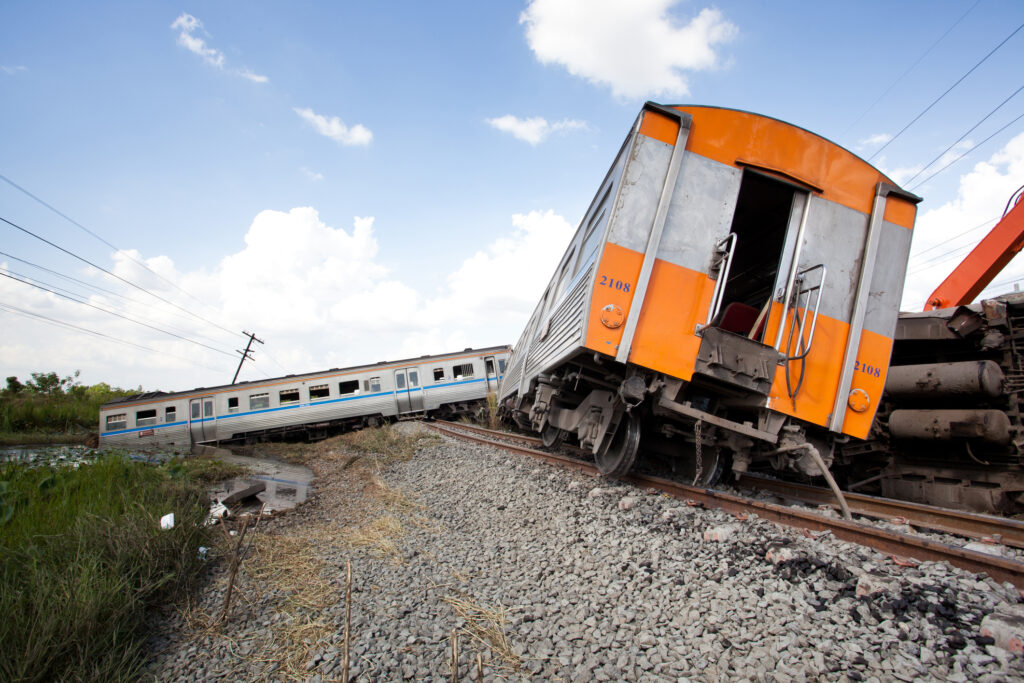
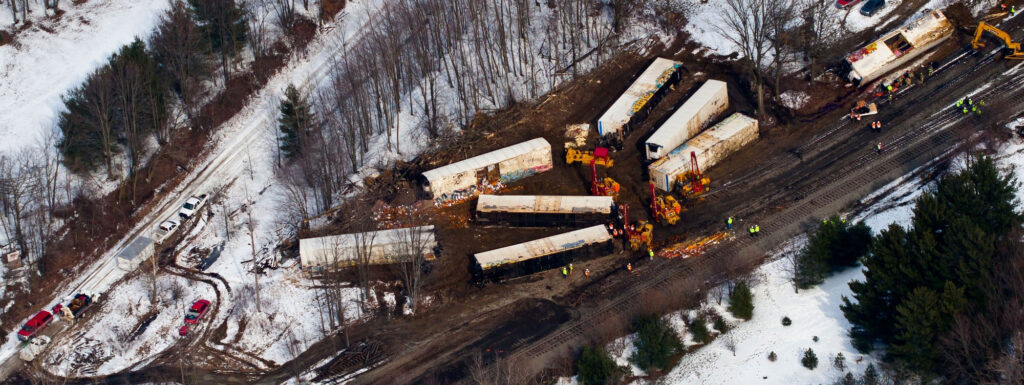
In recent times, there has been an unsettling uptick in rail accidents throughout New York City. Last year began ominously on January 4, 2024, with a subway derailment that left at least 26 people injured. This was closely followed by another concerning incident where an unmanned train ran into the Briarwood Station on September 12, 2024, causing extensive damage after trespassers triggered its emergency brakes. Remarkably, this did not result in any injuries.

New York City History: Commuter Train Crashes

In New York City, during 2023 alone, there were reported to be a total of 241 subway-related incidents – representing almost a third more crashes compared to 2018. These figures emphasize increasing dangers for daily passengers and underscore the pressing need for enhanced safety strategies and measures within New York’s transit infrastructure.

These events serve as alarming wake-up calls about weaknesses within the transportation network of New York City. It remains imperative that those who rely on public transport stay informed regarding both causes behind such disruptions and actions they can employ for self-protection should they find themselves in similar situations in future commutes.

Common Causes of Train Crashes

Grasping the underlying reasons for train collisions is vital in averting them and enhancing emergency response. Human error plays a considerable role, with common mistakes including oversight of signals or exceeding speed limits resulting in severe incidents. These errors stem from the stressful conditions under which train operators function, where even brief lapses can lead to significant disasters.

The mechanical integrity of trains also significantly influences accident rates. Issues like brake malfunctions severely impact train safety and may cause local track derailments or crashes. Ensuring regular upkeep and comprehensive examinations by rail car inspectors is critical to minimize such risks. Accidents still happen occasionally due to missed problems or insufficient resources.

Overloading trains beyond their capacity can make them more prone to tipping off tracks, an issue especially pertinent for commercial trains carrying substantial cargo weight. Problems related to track infrastructure—such as alignment issues or blockages—also escalate these dangers. By focusing on these prevalent factors that contribute to mishaps, we can better deeper understanding how to prevent future tragedies and promoting safer railway transportation systems.

The Role of the Metropolitan Transportation Authority (MTA)

The MTA is responsible for maintaining the security and functionality of New York City’s transit system. It administers safety measures, conducts consistent training for its staff, and orchestrates emergency response plans. Such initiatives are essential to avert mishaps and deal with occurrences efficiently.

Promptly reporting hazardous situations is integral to the MTA’s approach to safeguarding passengers. The agency works in tandem with both local and national emergency teams to bolster overall safety amidst any incidents that arise. Through ongoing exercises and preparedness drills, the MTA equips its personnel with the necessary skills to effectively respond to emergencies, ensuring traveler protection.

Safety Procedures and Emergency Protocols

The foundation of a reliable transit network is built upon robust safety procedures and well-established emergency protocols. To ensure the reduction of mishaps and protect its passengers, New York City’s transit system has implemented detailed safety measures. These include the trial use of barriers at platform edges as well as advanced technologies for detecting obstructions on tracks.

Conforming to stringent federal guidelines regarding safety, the MTA conducts routine evaluations and upkeep on subway systems within New York City. Adherence to these standards guarantees both safe operation of trains and security for those traveling by subway.

In situations where emergencies arise, it is vital that passengers maintain their composure while heeding the advice provided by MTA personnel in order to stay secure.

Emergency Brakes and Safety Equipment

Subway trains incorporate an essential safety feature in the form of emergency brakes, which engage automatically during unexpected situations to halt the train and avert crashes. Ensuring that subway trains are outfitted with functional emergency brake valve cords and other safety apparatus is crucial for safeguarding both passengers and crew.

Cars within the subway system come equipped with various safety implements including emergency alarms, fire extinguishers, and first aid kits designed to manage emergencies effectively. The presence of these instruments plays a fundamental role in maintaining passenger security on board.

Radio Communication Procedures

Effective radio communication procedures are essential for MTA staff, as they play a pivotal role in coordinating quick responses and facilitating swift action in emergency situations. The ability to communicate clearly and promptly is vital for the efficient handling of events and steering of rescue operations, underscoring the critical nature of strong radio communication protocols.

Federal Requirements and Compliance

Safety guidelines established by the Federal Transit Administration (FTA) dictate how transit systems throughout the United States, such as New York City, manage their operations and maintenance. Adhering to these federal rules helps ensure that both passengers and employees are protected within public transportation networks.

As a component of adhering to these regulations, transit authorities are obligated to document any accidents or safety occurrences and report them to federal entities. Through evaluations and inspections, the FTA oversees adherence to its standards, with an aim of bolstering safety measures in transit organizations. This oversight aims at ameliorating operational practices and diminishing the likelihood of accidents occurring.

Immediate Steps to Take After a Train Crash

Following a train crash, prompt and decisive action is essential. Your response can greatly influence both your personal safety and the outcome of any legal proceedings that may follow. The priority lies in evaluating any injuries sustained and seeking urgent medical care. After addressing health concerns, it’s important to notify the relevant authorities to facilitate an organized emergency response.

Assessing Injuries

Amid the chaos triggered by a train crash, it’s essential to assess yourself and fellow passengers for any harm sustained. Injuries may not always be evident right away. Thus, obtaining medical help quickly is imperative. Neglecting even seemingly insignificant injuries could lead to more severe complications if they are not addressed promptly.

Passengers should aid one another in evaluating their physical state and guarantee that those with serious injuries or manifest signs of distress get urgent medical care. Carrying out this preliminary check ensures all involved obtain the required treatment and aids in recording the extent of injuries for subsequent claims.

Reporting the Incident

Following confirmation of your own safety, it is crucial to notify the emergency services immediately. Give precise information regarding the crash site and specifics, facilitating an efficient rescue operation that aids in promptly attending to every victim.

Documenting the Scene

It is crucial to meticulously record the crash site. Taking pictures from different perspectives and jotting down comprehensive observations offers critical proof for insurance claims and legal proceedings. Concentrate on capturing the damage, pertinent traffic signs or signals, and any other significant elements.

By systematically keeping these documents safe, you guarantee their availability when required. Such records will play a vital role in correctly remembering what happened and bolstering your position during conversations with officials or attorneys.

Understanding Your Rights After a Train Crash

Understanding your legal entitlements is crucial in the aftermath of a train crash. Identifying responsible parties for the accident, which can be complex and may implicate various entities, such as the conductor and the MTA, is key to establishing accountability.

Claims for compensation may encompass an array of damages: medical bills, lost earnings due to inability to work, emotional distress, property damage, or claims related to fatalities. Securing a lawyer with expertise in this field ensures comprehensive consideration of these factors.

Why You Might Need a Lawyer

Dealing with the legal intricacies that come after a train crash or train derailment can be overwhelming, which is why obtaining legal support is crucial. The procedures tied to train accident cases are filled with complex details and require expertise that might be difficult to navigate without expert guidance.

Securing the services of an attorney is vital in making sure you obtain just compensation for any injuries or damages sustained. An attorney will lead you through every step of the legal journey, from collecting proof to negotiating settlements with insurers, safeguarding your entitlements and striving for the most favorable resolution possible.

Contact NYC Train Accident Lawyer Nicholas E. Tzaneteas

Nicholas E. Tzaneteas, train car accident attorney, has helped victims injured and their families as a result of an accident involving a crash, derailed train car, disabled train, or train collision as passengers in a vehicle. Attorney Tzaneteas serves residents throughout New York City, Bronx, Brooklyn, Queens, and Manhattan, Bronx, Queens, Staten Island, and Manhattan.

Call (718) 704-5519 for a free consultation to review your case.

Frequently Asked Questions

What should I do immediately after a train crash?

Right after a train crash occurs, it’s vital to evaluate any injuries you may have sustained, notify the relevant authorities about the accident, and capture evidence of the scene through photographs and detailed notes.

These actions are essential not only for ensuring your own safety, but also for facilitating any future inquiries into the incident.

Why is it important to report a train crash to authorities?

Reporting a train crash to the authorities is essential for orchestrating a coordinated emergency response and efficiently managing rescue operations. Swift communication helps protect lives and avoid additional accidents.

What are my rights after a train crash in New York City?

If you suffer injuries and damages from a train crash, it’s crucial to establish liability in order to pursue the compensation you’re entitled to.

How can a lawyer help after a train crash?

A lawyer is essential after a train crash, as they can navigate legal complexities, gather critical evidence, and advocate for fair compensation for your injuries and damages.

Common Injuries Resulting from Train Accidents and Legal Options

Train Accidents in America: Everything Passengers & Railroad Workers Need to Know

Train accidents, while less frequent than other types of transportation accidents, can result in severe and sometimes catastrophic injuries. Victims of train accidents may face a range of injuries that may alter lives — or even cause tragedy.

In the aftermath of such an accident, it’s crucial for victims and their families to understand their legal rights and options. Depending on the circumstances, they may be entitled to financial compensation for their injuries and the expenses associated with healing and lost wages.

Legal claims in train accidents can be complex, involving multiple parties like the train operator, rail company, or even government entities. Therefore, it’s often advisable for injury victims to consult with a legal professional who specializes in this area to navigate the intricacies of transportation law and to ensure their rights are fully protected. Your personal injury lawyer can be of tremendous value when seeking justice for accidents involving train collisions that result in injury or death.

Top 3 Causes of Railroad Accidents in the U.S

Human Error:

This is one of the most common causes of railroad accidents. It includes mistakes made by train operators, such as speeding, ignoring signals, or operating the train while fatigued or under the influence of alcohol or drugs. Errors by other employees responsible for maintenance, signal operation, or track inspection also fall under this category.

Track Defects:

Poorly maintained or defective tracks are a significant cause of train accidents. Issues such as broken rails, improper alignment, or inadequate track bed support can lead to derailments or other accidents. Another common source of accidents are railroad crossings. Missing or broken safety lights and barriers contribute to hundreds of cases of serious personal injury each year. Regular maintenance and inspections are crucial to prevent track-related incidents.

Equipment Failure:

Malfunctioning equipment, including issues with the train’s mechanical parts like brakes, wheels, or axles, can lead to accidents. Although modern trains are equipped with various safety features, mechanical failures can still occur due to manufacturing defects, wear and tear, or inadequate maintenance. Many train accidents are preventable if factors like equipment negligence and neglect are addressed before they can harm passengers or railroad workers.

It’s important to note that while these are common causes, each railroad accident has its unique circumstances and contributing factors. Regulatory bodies like the Federal Railroad Administration (FRA) in the U.S. continuously work to monitor and improve railroad safety to reduce these types of accidents.

Types of Train Accident Injuries

The most common types of injuries associated with train accidents can vary in severity, ranging from minor to life-threatening. These include:

  1. Whiplash and Soft Tissue Injuries: These injuries are common in less severe accidents, especially for passengers. Whiplash occurs due to the sudden jerking movement of the head and neck, while soft tissue injuries involve damage to muscles, ligaments, and tendons.
  2. Broken Bones and Fractures: The impact and force of a train accident can easily cause broken bones and fractures. These injuries can range from simple fractures that may heal with time to more complex ones requiring surgical intervention.
  3. Head Injuries and Traumatic Brain Injuries (TBIs): These are among the more serious injuries and can occur from a direct blow to the head or a violent shake. TBIs can range from mild concussions to severe brain damage, potentially leading to long-term cognitive and physical impairments.
  4. Spinal Cord Injuries and Paralysis: Spinal cord injuries can result from the traumatic impact of a train accident, potentially leading to temporary or permanent paralysis, depending on the area and severity of the injury.
  5. Cuts and Lacerations: Shattered glass, metal debris, and other sharp objects commonly found in train wrecks can cause cuts and lacerations, which may range from minor to severe.
  6. Internal Injuries: These include internal bleeding and damage to internal organs. They can be life-threatening and require immediate medical attention.
  7. Psychological Trauma: Beyond physical injuries, victims of train accidents may also suffer from psychological trauma such as post-traumatic stress disorder (PTSD), anxiety, and depression.
  8. Burns: In cases where fires or explosions occur as part of the accident, victims may suffer from burns, which can range in severity.

It’s important for victims of train accidents to seek immediate medical attention, as some injuries, particularly internal ones, may not be immediately apparent.

Human Error: Train Accidents Caused by Conductor Negligence

Human error or negligence plays a crucial role in causing train accidents, often with serious outcomes. Operator errors, such as fatigue, distraction, or operating under the influence, can lead to speeding, misjudgment of distances, or improper brake application. Poor maintenance of trains and tracks can also lead to critical failures. Inadequate training of operators and railway staff is another contributing factor, as it can result in misinterpretation of safety protocols and emergency responses.

Additionally, signal and communication errors, often due to misreading signals or equipment malfunctions, can cause collisions and derailments. Negligence in following safety protocols, as well as improper loading of freight trains, further contribute to these accidents. Distractions, especially from electronic devices, also pose a significant risk in modern railway operations. Thus, a combination of these human-related factors can significantly increase the likelihood of train accidents.

Railroad Crossing Accidents: The Most Common Type of Train Collision

Accidents involving railroad crossings are often serious and occur when vehicles, pedestrians, or cyclists intersect with an oncoming train. Common causes include failure to observe warning signals, misjudgment of the train’s speed and distance, or malfunctioning crossing signals.

Visibility issues, such as obstructed views or poor lighting, also contribute. These accidents can be particularly severe due to the train’s size and speed, often resulting in significant injuries or fatalities. Prevention efforts focus on improving crossing safety features, public awareness campaigns, and enforcing laws related to railroad crossing usage.

Federal Railroad Administration Responsibility

The Federal Railroad Administration (FRA) is the federal agency responsible for regulating the railroad industry. Its core function is to help prevent railroad track issues, railroad related deaths, and human error from causing serious injury or death.

  1. Regulation and Oversight: The FRA establishes and enforces safety regulations for the nation’s railroad industry. This includes rules regarding track maintenance, train operation, signal systems, and equipment safety standards.
  2. Inspections and Monitoring: Regular inspections of railroads, equipment, and infrastructure are conducted to ensure compliance with safety standards. The FRA also monitors railroad operations and maintenance activities.
  3. Research and Development: The FRA invests in research to advance railway safety technology. This includes developing safer train cars, improving track integrity, and enhancing signaling systems.
  4. Training and Education: The FRA provides training programs for freight railroad employees to promote safety awareness and ensure workers are well-informed about safety practices and regulations.
  5. Data Analysis and Risk Reduction: The FRA analyzes accident data to identify trends and areas of risk. Based on this analysis, they implement targeted safety initiatives and campaigns to address identified issues.

Even with these protections in place, and stringent restrictions followed by railroads, railroad companies, and workers, injuries can and do occur. When they do, they can alter lives permanently.

Advocating for the Rights of Railroad Passengers

A train accident lawyer acts as an advocate for victim rights in several key ways:

  1. Legal Representation: They provide legal representation to victims, ensuring their rights are protected throughout the legal process. This includes negotiating with insurance companies and rail companies, and representing clients in court if necessary.
  2. Expertise in Railroad Laws: Train accident lawyers possess specialized knowledge of railroad laws and regulations, which is crucial for understanding the complexities of train accident cases and determining liability.
  3. Investigation and Evidence Gathering: They conduct thorough investigations to gather evidence, including witness statements, train and track inspection records, and accident reports. This helps in building a strong case for the victim.
  4. Assessment of Damages: Lawyers assess the full extent of damages, including medical expenses, lost wages, pain and suffering, and future care needs. This ensures that victims receive fair compensation that reflects the true impact of the accident on their lives.
  5. Negotiation Skills: Train accident lawyers are skilled negotiators, often securing settlements from the insurance company or other parties that adequately compensate victims without the need for a lengthy trial.
  6. Guidance and Support: They provide guidance and support to victims and their families throughout the legal process, helping them understand their rights and the steps involved in pursuing a claim. This is especially true if surviving family members wish to file a wrongful death lawsuit against whoever is responsible.
  7. Advocacy for Safety Changes: Beyond individual cases, train accident lawyers often advocate for broader safety changes in the industry to prevent future accidents. From preventing hazardous materials aboard trains, more strict regulations for freight railroads, or lessening the risks of derailment, lawyers may petition the state or federal Department of Transportation to create change.

In essence, a train accident lawyer is crucial in navigating the legal complexities following a train accident, ensuring that victims’ rights are upheld and they receive the compensation and justice they deserve.

Who Do I Contact If I Was Injured in a Train Accident?

If you were involved in a train accident, it’s important to take certain steps to ensure your safety and protect your legal rights:

First, seek medical attention: Medical care is the critical aspect that can help people get the treatment they need as soon as possible. This helps to establish a record of injuries, which may be used later by an attorney representing you in a lawsuit or settlement with the railroad company or other responsible party.

Next, contact a Train Accident Lawyer: Consider consulting with a lawyer who specializes in train accidents. They can provide legal advice, help you understand your rights, and guide you through the process of seeking compensation.

If you or someone you love, like a family member or spouse, is injured through no fault of your own, and local authorities are proving less than helpful, your personal injury attorney can help you restore what was lost to you. This can include financial compensation for lost wages, medical expenses, and pain and suffering.

Call a qualified train accident attorney today to learn more about your rights when you or someone you love has been injured in a train crash.

Choose a Leading Train Accident Law Firm

What Does a Train Accident Lawyer Do?

Train accidents are often horrific and devastating and can be extremely complicated to navigate to determine liability and responsibility. If you or a family member have been involved in a train accident, it’s important to contact a train accident lawyer experienced in railroad accident claims.

The Law Firm of Nicholas E. Tzaneteas has experienced train accident lawyers. We have helped victims and the family of victims who were involved in a New York train accident lawsuit.

Common Causes of Train and Subway Accidents

Train accident victims include drivers who have been hit by trains, railroad workers who have suffered injuries while the train is in motion or while performing maintenance tasks (this would fall under the Federal Employers Liability Act – FELA), and railroad passengers. Injuries can be catastrophic and fatal.

Train accidents on trains and in train stations occur for a variety of reasons, including:

·       train operator error or negligence

·       excessive speed

·       train derailment

·       train and car collisions

·       defective train tracks

·       unsecured crossbars at railroad crossings

·       electrocutions

·       sudden stops

·       closing doors

·       negligent security

·       broken stairs or platforms (causing slips and falls)

·       defective or broken escalators

·       defective equipment

·       poor track maintenance

·       technological malfunction

·       insufficient lighting

·       obstructed walkways

·       failure to post warning signs

Subway accidents may occur because the conductor was negligent by failing to ensure that passengers were clear of the train.

Common Train Accident Injuries

The most common physical injuries after a train accident include fractures, back and neck injuries, soft-tissue damage, traumatic brain injuries (TBIs), internal organ damage, spinal cord injuries, and amputations.

Who Is Responsible for Investigating a New York Train or Subway Accident?

Train accidents are investigated by the National Transportation Safety Board (NTSB). Train accident investigators from the NTSB are available 24 hours a day, seven days a week. Typically, their on-scene investigations take seven to 10 days. Local and state investigators, as well as police officers, are frequently involved in these investigations.

Who Can Be Sued for Train Accidents

Railroad companies must provide the highest care to their passengers from when they board the train until they exit. If passengers are injured, the carriers are liable, even if their fault in the accident was minor, a third party caused the accident, or due to weather conditions. The common carriers that can be sued for a New York train accident are the Metropolitan Transportation Authority (MTA), the New York City Transit Authority (NYCTA), and Amtrak.

The MTA is responsible for operating, maintaining, and improving public transportation in the Metropolitan Commuter Transportation District (MCTD), which comprises New York City and the counties of Dutchess, Nassau, Orange, Putnam, Rockland, Suffolk, and Westchester. The MTA oversees the operations of the New York City bus and subway systems, the regional commuter railroads, seven bridges, and two tunnels located in New York City.

The NYCTA manages the subway and bus service in New York City. Amtrak operates intercity passenger rail services in 46 states and the District of Columbia.

New York State Law/Statutes in Train Accidents

According to New York’s Statute of Limitations, you must file a personal injury claim within three (3) years of a train or subway accident. Your claim may only be accepted if you submit it within this time frame. You must file a wrongful death lawsuit within two (2) years of the death of a loved one in a train accident. To file a claim against a government entity, you must first file a Notice of Claim within 90 days of the accident and then file a lawsuit within one (1) year and 90 days of the accident.

Damages You Can Pursue in a Train Accident

If the passengers are injured, carriers are liable for the injury, even if their fault in the accident was minimal or the accident was caused by third parties or weather conditions. In the aftermath of a subway or train accident, victims can seek compensation for economic and non-economic damages. Economic damages include medical expenses, lost wages, therapy and rehabilitation care costs, property damage, or funeral and burial costs in the case of a fatality. Non-economic damages include pain and suffering, loss of companionship, loss of consortium, mental anguish, and diminished future earning capacity.

The knowledgeable New York train accident lawyers at the Law Firm of Nicholas E. Tzaneteas can help you seek the maximum compensation you deserve.

Proving Liability in Train Accidents

Evidence must be gathered to prove an accident was a result of negligence. This can include surveillance footage, photos and videos by other passengers, witness testimony, and statements from NYCTA/MTA employees. An experienced New York train accident lawyer and their legal team will know what evidence to collect and how to get it, in addition to representing you in your pursuit of fair compensation.

Contact the Personal Injury Lawyers at the Law Firm of Nicholas E. Tzaneteas

At the Law Firm of Nicholas E. Tzaneteas, we represent clients in train and subway accidents involving the MTA, Amtrak, LIRR, Metro North, PATH, NYCTA, and other railroad-related accidents. We will provide you with a free initial consultation to discuss your case.

Accessibility Tools
hide