Falls from Scaffolding Percentage: Construction Industry Statistics and Safety Data

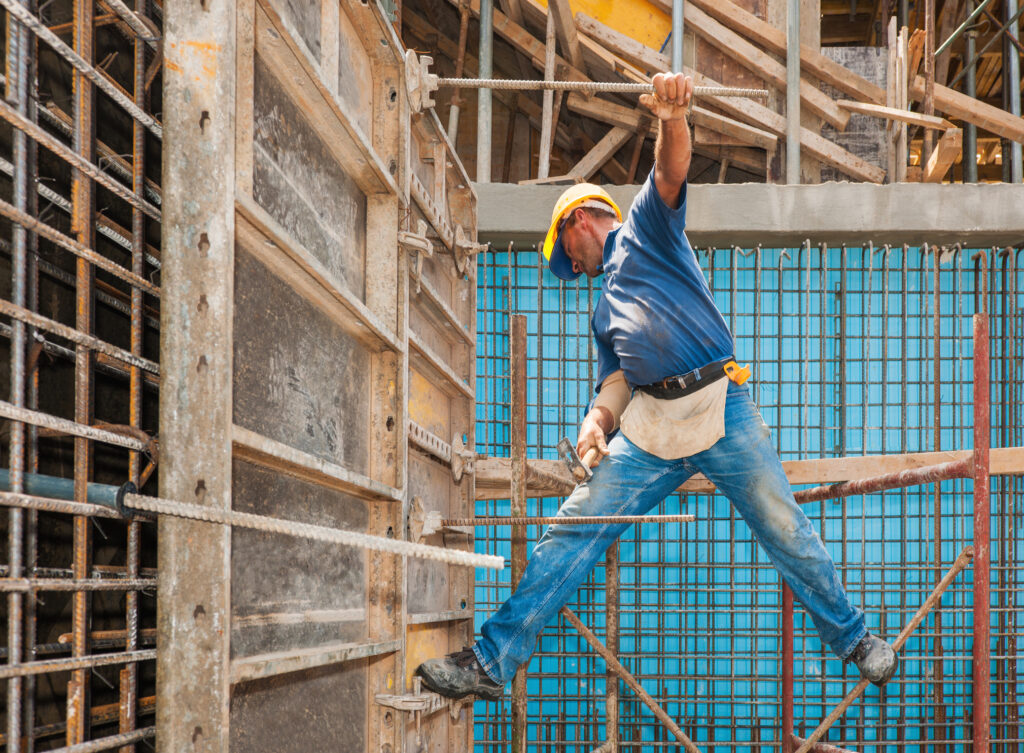
Falls from scaffolding account for 25% of all fatal falls from working surfaces in the construction industry, with 72% of scaffold accidents resulting from specific preventable causes such as planking failure and inadequate fall protection. These construction accidents represent one of the most significant safety hazards facing the 2.3 million construction workers who regularly use scaffolding across the United States.

What This Guide Covers

We examine scaffolding fall percentages, injury statistics, fatality rates, and contributing factors based on data from the Bureau of Labor Statistics and the Occupational Safety and Health Administration (OSHA).

Understanding these percentages helps identify risk factors and implement targeted safety measures to reduce the 4,500 annual scaffolding injuries reported by the Occupational Safety and Health Administration. With scaffolding accidents representing such a significant portion of construction workplace deaths, these statistics directly impact safety planning and regulatory compliance.

What You’ll Learn:

  • Common injuries from scaffolding accidents
  • Specific fall percentages and injury breakdowns from government data
  • Fatality statistics and their relationship to overall construction deaths
  • Regional variations and trend analysis over recent years
  • Contributing factor percentages that drive prevention strategies

Common Scaffold Accident Injuries for Construction Workers

Common scaffold accident injuries for construction workers include traumatic brain injuries, spinal cord injuries, fractures, internal organ damage, and severe lacerations. Falls are the most frequent cause, and these severe injuries can lead to paralysis, permanent disability, and even death. Other injuries include crush injuries, amputations, and electrocution. 

Understanding Scaffolding Fall Statistics

Scaffolding accidents encompass any incident involving temporary platforms or structures used to support construction workers, with falls representing the most common and deadly category of these workplace accidents. Falls from scaffolding are categorized separately from other types of construction accidents, such as struck-by incidents, electrocution, or scaffolding collapses.

Key Statistical Categories

Data sources, including the Bureau of Labor Statistics, OSHA, and the National Institute for Occupational Safety and Health, track scaffolding incidents across several categories. Falls involving scaffolding account for the largest percentage of scaffold-related fatalities, significantly outpacing other scaffold accidents, such as electrical contact or falling objects hitting workers.

Data Collection Methods

Government agencies categorize scaffolding fall incidents through detailed reporting from employers, workers’ compensation claims, and occupational safety investigations. International data, such as the UK’s National Access and Scaffolding Confederation reporting that 97% of accidents are slips, trips, and falls, provides comparative context for understanding global patterns.

Current Scaffolding Fall Percentages and Injury Breakdown

Recent analysis of construction scaffolding incidents shows consistent patterns in both fatal falls and non-fatal injuries, with specific percentages highlighting where prevention efforts can be most effective.

Fatal Fall Percentages

Falls from scaffolding represent approximately 15% of all fatal construction falls, while 25% of all fatal falls from working surfaces involve scaffolds specifically.

When combined with ladder falls, scaffolds and ladders together account for nearly 30% of workplace fatalities resulting from falls in construction. This percentage has remained relatively stable, indicating that scaffolding safety measures have not significantly reduced fatal incident rates despite increased awareness and training programs.

Non-Fatal Injury Statistics

The 4,500 annual scaffolding injuries can be categorized into distinct areas, with 72% of workers injured on scaffolds attributing incidents to planking failure, slips, and falling objects. Over 70% of scaffold accident injuries involve either falls from height or objects falling from scaffolds onto workers below.

Analysis of these scaffold accidents reported to OSHA reveals that serious injuries occur most frequently when defective or damaged equipment contributes to structural failure. Workers hurt in scaffolding mishap incidents typically suffer from fractures, head trauma, and other significant construction-related injuries.

Contributing Factors and Risk Analysis

Current scaffolding fall percentages directly correlate with identifiable risk factors, providing clear targets for safety improvement initiatives based on documented incident patterns.

Step-by-Step: Major Contributing Factors

  1. Improper Assembly and Setup: Studies indicate that improper placement and assembly issues contribute to approximately 30-40% of scaffold support failures, leading to falls.
  2. Missing Safety Equipment: Historical data shows that 77% of scaffolds lacked guardrails in 1996 studies, while current estimates suggest that 20-30% still lack adequate fall protection systems.
  3. Training Deficiencies: Research indicates 25% of workers injured in scaffold accidents received inadequate training, with 49% of fatal falls involving no use of fall protection at all.
  4. Environmental and Overloading Factors: Weather conditions, electrical hazards near utility lines, and overloading contribute to 15-20% of scaffolding accidents, particularly on slippery surfaces or during adverse weather.

Comparison: High-Risk vs Low-Risk Scenarios

Risk FactorHigh-Risk ScenariosLow-Risk Scenarios
Training Status25% of injured workers lack proper trainingCompanies with comprehensive scaffold safety training show 60-70% fewer incidents
Equipment ComplianceSites with defective equipment show 40% higher accident ratesProper fall arrest systems reduce fall injuries by up to 80%
Inspection FrequencyIrregular inspections correlate with 35% more accidentsDaily inspection protocols reduce incidents by 45-50%

Companies that established extensive safety protocols and detailed safety rules show measurably lower percentages of scaffold accidents compared to those with minimal safety programs, demonstrating clear correlations between prevention efforts and reduced incident rates.

Industry-Specific Fall Percentages

Scaffolding fall percentages show notable variations across different construction sectors, with specific patterns emerging based on project types and regulatory environments.

Residential vs Commercial Construction

Residential construction projects typically show higher percentages of scaffolding accidents per worker-hour compared to commercial projects, partly due to smaller contractors having less comprehensive safety programs. Significant construction projects in commercial settings often have better safety infrastructure, resulting in 20-30% lower scaffold accident rates.

Other construction accident statistics show that residential workers are more likely to experience falls from scaffolding due to either a worker lacking proper training or inadequate safety equipment. Commercial projects generally maintain more rigorous occupational safety and health protocols, though serious injuries still occur when safety hazards are not properly managed.

Geographic and Regulatory Variations

A state-by-state analysis reveals varying scaffold fall percentages, with states having stronger OSHA regulations showing 15-25% fewer scaffold-related accidents. Regional enforcement of detailed safety rules is correlated with measurable differences in workplace accident rates, particularly in areas where construction sites undergo regular inspections and compliance monitoring.

Company Size and Safety Record Correlations

Large contractors typically show 30-40% lower scaffolding accident percentages compared to smaller companies, often due to better resources for scaffold safety training and fall protection programs. Union vs. non-union workplace safety statistics indicate that unionized sites generally maintain lower accident rates, partly due to standardized safety protocols and worker advocacy for proper equipment.

Safety certification programs demonstrate clear correlations with reduced incident percentages, with certified companies showing measurably lower rates of accidents happening compared to non-certified competitors.

Prevention Strategies and Their Effectiveness

Analysis of scaffolding safety interventions shows quantifiable percentage improvements in accident reduction, providing evidence-based guidance for implementing effective fall protection programs.

Training and Certification Impact

Comprehensive scaffold safety training programs have been shown to demonstrate a 40-60% reduction in scaffolding accidents when properly implemented. Companies that invest in extensive training and education show measurably lower percentages of both fatal falls and non-fatal injuries compared to those with minimal training approaches.

Before-and-after statistics for organizations implementing OSHA-compliant training reveal consistent patterns: properly trained workers experience 50-70% fewer scaffold accidents, while sites with inadequate training continue to show elevated accident percentages year over year.

Equipment and Structural Improvements

The installation of proper guardrails and personal fall arrest systems has shown dramatic percentage improvements in safety outcomes. Sites with compliant fall protection equipment report 70-80% fewer falls compared to locations with defective or damaged equipment.

Regular inspection programs correlate with 35-45% reduction in scaffold accidents, particularly when inspections identify issues like improper assembly, unsafe incline conditions, or damaged scaffold components before accidents happen.

Regulatory Compliance Effects

OSHA regulations enforcement shows a clear statistical impact on scaffolding fall percentages. States with rigorous inspection programs report 20-35% lower accident rates compared to areas with minimal enforcement, demonstrating the effectiveness of regulatory oversight in preventing tragic injuries.

The correlation between compliance violations and accident rates is stark: companies with multiple OSHA violations exhibit accident percentages 2-3 times higher than those of compliant organizations, underscoring the importance of adhering to established safety standards.

Scaffolding Collapses in New York City

With all the construction on high-rise buildings underway in New York City, scaffold injuries pose a serious problem. In March 2025, a construction worker fell from scaffolding at the Bronx Writing Academy, and a month earlier, two workers were rescued after their scaffolding became stranded on the 78th floor of a high-rise building.

New York has a strict “Scaffolding Law” (Labor Law 240/241) that holds property owners and contractors strictly liable for accidents, meaning workers can seek damages for medical costs, lost wages, and pain and suffering beyond Workers’ Compensation insurance.

Contact the Law Office of Nicholas E. Tzaneteas

The Law Office of Nicholas E. Tzaneteas can help victims of construction site injuries. As experienced New York City, Bronx, Brooklyn, Queens, and Manhattan construction accident attorneys, we know the New York Labor Laws inside and out and have secured construction accident settlements for our clients from parties responsible for the accident.

MTA Bus Crash: A Guide to Incidents, Safety, and Your Legal Rights in New York City

MTA bus crashes continue to pose significant safety risks for New York City’s 2.5 million daily bus riders, with recent incidents in October 2025 in Queens and the Bronx highlighting ongoing concerns about driver fatigue, mechanical issues, and passenger safety.

From understanding your legal rights after an accident to being concerned about MTA safety protocols, this guide addresses the critical aspects of bus crash incidents affecting NYC’s largest public transit system.

What This Guide Covers

This guide provides detailed information about recent MTA bus crash incidents, passenger legal rights, safety measures, and prevention protocols. You’ll learn the following:

  • Recent crash statistics and incident patterns
  • Your legal rights after involvement in an MTA bus crash
  • Safety protocols and prevention measures
  • Step-by-step response procedures following accidents

Understanding MTA Bus Crashes in New York City

An MTA bus crash refers to any incident where an MTA-operated bus collides with another vehicle, pedestrian, structure, or object, resulting in property damage, injuries, or fatalities.

The Metropolitan Transportation Authority operates one of the largest public bus fleets in North America, with over 5,700 buses serving more than 2.5 million riders daily across five boroughs. Crashes involving MTA busses range from minor fender-benders to serious multi-vehicle collisions requiring dozens of people to seek medical attention at local hospitals.

According to MTA annual reports, there were 1,872 bus collisions in 2023, with approximately 10% resulting in injuries and 187 incidents causing harm to passengers or pedestrians. The injury rate per million miles traveled was 0.75, slightly higher than the national average for public transit agencies.

Common Causes of MTA Bus Crashes

Driver fatigue represents a significant factor in MTA bus incidents, as demonstrated by the recent Queens Q20 bus case, where a 25-year-old probationary driver likely fell asleep at the wheel, causing eight people to sustain injuries. The MTA has implemented programs to monitor driver hours, but enforcement remains challenging across the massive fleet.

Mechanical issues and maintenance failures also contribute to crash incidents, with the MTA’s mix of older and newer vehicles creating varying levels of safety technology across the fleet. While many buses feature collision avoidance systems and automatic emergency braking, not all vehicles have these protective measures.

Weather conditions and traffic-related factors contribute to additional crash causes, with rear-end collisions accounting for 35% of all incidents, sideswipes for 25%, and single-vehicle crashes for 20%.

Types of MTA Bus Crash Injuries

Minor injuries typically result from most MTA bus crashes, as seen in the recent Grand Concourse incident, where eight people sustained non-life-threatening injuries requiring hospital transport. These injuries often include bruising, minor cuts, and soft tissue damage from sudden stops or impacts.

Serious hospitalization cases occur in more severe incidents, such as the October 13, 2025 Flushing double-bus crash that sent 14 passengers to the hospital with varying degrees of injury. These cases may involve broken bones, head trauma, or internal injuries requiring extended medical treatment.

Long-term injury complications can develop even from seemingly minor crashes, making immediate medical evaluation crucial regardless of initial symptoms.

Recent MTA Bus Crash Incidents and Investigation Findings

Recent MTA bus crashes across Queens and the Bronx, with multiple incidents, highlight ongoing safety challenges facing the transit authority. These cases provide valuable insights into crash patterns, investigation procedures, and the real-world impact on passengers and communities.

Flushing Queens Double Bus Crash

On October 13, 2025, two Q27 buses collided at Sanford Avenue and Bowne Street in Flushing, Queens, creating one of the month’s most serious incidents. The crash injured 19 people in total, including the bus operator and 18 passengers, with 14 requiring hospitalization for their injuries.

According to Eyewitness News, the collision caused significant service disruptions affecting Q13, Q26, Q27, and Q65 routes throughout the area. The police investigation found no indication of criminality, suggesting that the incident resulted from operational factors rather than intentional misconduct.

The crash occurred during peak travel hours, resulting in a high number of affected passengers and substantial delays across multiple bus routes serving the Flushing community.

Queens Q20 Bus Curb Jump Incident

In July 2025, at approximately 6:00 AM, a Q20 MTA bus jumped the curb at 57th Road and Main Street, crashing into a traffic light pole and injuring eight passengers. Surveillance video evidence and eyewitness accounts suggest the 25-year-old probationary driver fell asleep at the wheel, causing the bus to mount the curb with enough force to tear the pole from its foundation.

The investigation revealed no signs of mechanical issues, medical emergencies, or driver distraction, pointing to fatigue as the primary cause. All eight injured passengers were transported to New York-Presbyterian Queens Hospital with minor injuries, and the MTA promptly removed the operator from service pending further review.

This incident underscores the risks associated with driver fatigue, particularly among newer operators who may not yet have developed proper rest and alertness protocols.

Grand Concourse Late-Night MTA Bus Crash

In April, an incident involving an MTA bus occurred at 11:45 PM on the Grand Concourse, resulting in eight people sustaining minor injuries requiring hospital transport. The FDNY responded to provide medical assessment and coordinate patient transport to area hospitals.

What to Do After an MTA Bus Crash

Following proper procedures after an MTA bus crash protects your health, preserves important evidence, and ensures your legal rights remain intact. The immediate aftermath of a crash often feels chaotic, but taking systematic action helps secure the best possible outcome for your situation.

Step-by-Step: Immediate Response Actions

For any MTA bus crash involvement, regardless of apparent injury severity, follow these steps:

  1. Ensure Safety: Move away from the bus if possible and avoid standing near traffic or unstable structures.
  2. Seek Medical Attention: Request emergency medical evaluation even if you feel uninjured, as adrenaline can mask serious injuries.
  3. Document the Incident: If possible, take photos of the crash scene, bus damage, and any visible injuries before evidence disappears.
  4. Collect Information: Gather the bus operator’s name, bus number, route information, and contact details from witnesses who saw what happened.
  5. Report to MTA: File an official incident report with MTA personnel on scene or through their customer service system.
  6. Contact Legal Counsel: Consult with an attorney experienced in MTA crash cases to understand your rights and filing deadlines.

Medical Documentation and Treatment

Immediate medical evaluation remains crucial even when you experience no immediate pain, as many crash-related injuries don’t manifest symptoms for hours or days. Hospital records create essential documentation for potential legal claims and ensure proper treatment for delayed-onset injuries.

Follow-up care recommendations typically include monitoring for symptoms like persistent headaches, neck pain, or cognitive changes that may indicate concussion or other serious conditions. Keep detailed records of all medical visits, treatments, and expenses related to the crash.

Insurance considerations become complex in the event of public transit crashes, as your personal health insurance may cover initial treatment, while legal claims address longer-term costs and compensation.

Legal Rights and Compensation Options

Personal injury claims against NYC and the MTA become available when crashes result from operator negligence, mechanical failures, or inadequate safety protocols. You may seek compensation for medical costs, lost wages, pain and suffering, and other crash-related damages.

Filing deadlines create strict notice requirements, with most MTA-related claims requiring formal notice within 90 days of the incident. Missing these deadlines can result in the loss of your right to compensation, regardless of the severity of your injury or the fault of the operator.

Compensation amounts vary based on injury severity, long-term impact, and the specific circumstances of each crash, with NYC municipal liability laws governing the claims process.

Common Challenges and Solutions

MTA bus crash victims often face predictable obstacles when seeking medical treatment and legal compensation. Recognizing these challenges early helps avoid costly mistakes and ensures proper protection of your rights.

Delayed Injury Symptoms

Seek immediate medical evaluation regardless of initial pain levels, as many serious injuries don’t produce immediate symptoms.

Adrenaline and shock can mask injuries for hours or days, making seemingly minor crashes potentially serious. Hospital documentation created immediately after the crash provides crucial evidence for later-developing symptoms.

Complex MTA Claim Filing Process

Obtain legal representation familiar with municipal liability laws and understand the 90-day notice requirement for filing claims against NYC.

The MTA’s claim process involves specific documentation requirements, strict deadlines, and complex liability determinations that benefit from professional legal guidance. Attempting to navigate this process alone often results in missed deadlines or inadequate compensation.

Determining Fault and Liability

Preserve evidence through professional investigation and understand how the MTA’s internal investigation process affects your claim.

Bus crashes involve multiple potential causes, from driver error to mechanical failures to infrastructure problems. Professional accident reconstruction and legal analysis help establish liability and ensure proper compensation for your injuries.

Contact the Law Office of Nicholas E. Tzaneteas

If you have been injured in an MTA bus crash, contact the Law Office of Nicholas E. Tzaneteas. We represent you if you have been injured in an MTA-related accident. This includes accidents that result from being directly injured while riding a bus, train, or subway, as well as accidents such as slips and falls on the stairs or platforms used to access these forms of transportation. We can help determine who was at fault in your case and work with you to make sure you recover the compensation you deserve.

What Scaffold Accidents Are Usually Attributed To: Common Causes and Prevention

Scaffold accidents are typically attributed to factors such as planking or support giving way, inadequate fall protection systems, improper construction practices, and OSHA violations, resulting in over 4,500 scaffolding injuries and 88 deaths annually across construction sites in the United States. According to extensive Bureau of Labor Statistics data and OSHA investigations, approximately 72% of such accidents stem from just three primary failure modes that are entirely preventable through proper safety measures and regulatory compliance.

Most scaffold accidents are preventable through proper safety protocols, worker training, and strict adherence to Occupational Safety and Health Administration standards.

This guide examines the primary attribution factors behind scaffolding accidents, evidence-based prevention strategies, and legal considerations for construction companies.

Understanding Scaffold Accident Attribution and Safety Requirements

Scaffold accident attribution refers to the specific structural failures, safety violations, or environmental factors that investigation teams identify as the direct cause of injuries or fatalities on construction sites. These attribution factors are systematically documented by OSHA investigators, insurance companies processing workers’ compensation claims, and legal teams representing injured workers in construction accidents.

OSHA plays a central role in scaffold safety regulations through its standards in 1926 Subpart L, which mandate specific requirements for fall protection systems, structural integrity, and worker training. When scaffolding accidents occur, OSHA investigations consistently reveal that most incidents involve violations of these established safety regulations.

Statistical analysis reveals that 72% of scaffold accidents involve planking or support failures, while scaffolding hazards account for 25% of all construction deaths from elevated platforms. Nearly 90% of fatal scaffold-related incidents involve at least one major OSHA violation, demonstrating the direct connection between regulatory compliance and accident prevention.

OSHA Standards and Legal Framework

OSHA 1926 Subpart L establishes comprehensive requirements for scaffold safety, including mandatory guardrails or fall arrest systems for workers above 6 feet, regular inspections by qualified persons, and specific load capacity limits for scaffolding systems. These standards form the legal framework that courts use to determine liability in construction accidents.

The relationship between OSHA violations and accident attribution is crucial in workers’ compensation cases and personal injury litigation, as regulatory noncompliance often establishes clear liability for construction companies and, potentially, scaffold manufacturers.

Types of Scaffolding Involved in Accidents

Self-supporting scaffolds, welded tubular frames, ladder scaffolds, and mobile scaffolds each present distinct attribution patterns in accident investigations. Mobile scaffolds frequently fail due to tipping or brake failures, while supported scaffolds typically fail due to inadequate bracing or foundation problems.

The connection between scaffold type and common attribution factors helps safety managers focus prevention efforts on the most relevant hazards for their specific construction work environments.

Primary Attribution Factors for Scaffold Accidents

Analysis of thousands of scaffold accidents reveals the dominant attribution factors that account for the vast majority of injuries and fatalities on construction sites. These factors often interact, with multiple attribution causes present in severe injury cases.

Structural Failures and Improper Construction

Planking and support giving way represents the leading attribution factor, involved in 72% of scaffold accidents according to the Bureau of Labor Statistics analysis. These structural failures typically result from defective materials, improper assembly by unqualified workers, or degraded components that fail under normal working loads.

Missing guardrails create fall hazards that account for 77% of scaffolding accidents, while inadequate bracing and unsecured attachments allow scaffolds to tip or collapse unexpectedly. Foundation problems, particularly on uneven surfaces or inadequate base plates, contribute significantly to structural integrity failures.

Improper scaffold erection by maintenance workers without proper training frequently leads to inadequate load distribution, insufficient tie-offs to tall buildings, and failure to follow manufacturer specifications for scaffolding systems.

Lack of Fall Protection Systems

The absence of adequate fall protection systems, including guardrails or fall arrest systems, directly contributes to the majority of serious injuries from scaffold accidents. Personal fall arrest systems, when present, often suffer from defective components or improper installation that render them ineffective during falls.

Many workers lack proper training in the use of fall protection equipment, while construction companies frequently fail to provide adequate safety equipment for workers operating above the minimum 6-foot height requirement. Environmental conditions, such as wind or rain, can compromise even properly installed fall protection systems if workers haven’t received training on weather-related safety protocols.

Equipment Defects and Manufacturing Issues

Malfunctioning brakes on mobile scaffolds cause numerous accidents when workers attempt to reposition equipment or when environmental factors cause unexpected movement. Defective pulleys and hoisting mechanisms fail under normal loads, dropping materials or causing sudden platform shifts.

Bent, damaged, or corroded scaffold components often remain in service despite compromising structural integrity, while substandard manufacturing creates inherent weaknesses that lead to catastrophic failures. Regular inspections by qualified persons can identify many equipment defects before they cause accidents.

Operational and Environmental Attribution Factors

Operational factors involving human decision-making and environmental conditions create complex attribution scenarios that often amplify the risk from structural or equipment deficiencies. These factors frequently determine whether minor safety violations result in near-misses or serious injuries.

Identifying Overloading Attribution

  1. Calculate platform load capacity: Verify manufacturer specifications and compare against actual worker weight plus materials and safety equipment
  2. Document material placement: Record the location and weight of tools, supplies, and safety nets to identify uneven distribution patterns
  3. Assess dynamic loads: Factor in movement forces from workers, wind loads, and impact forces from falling objects or falling debris
  4. Verify foundation capacity: Ensure base supports can handle total system weight plus safety factors for environmental conditions

Comparison: Human Factors vs. Environmental Factors

Attribution FactorHuman FactorsEnvironmental Factors
Primary CausesInadequate training, ignoring safety protocols, improper PPE useWind, rain, ice conditions, proximity to power lines
Attribution Rate45% of scaffold accidents28% of scaffold-related incidents
Prevention FocusWorker training, safety practices enforcementWeather monitoring, environmental hazard assessment

Environmental factors, such as unsafe working conditions near power lines or during severe weather, significantly increase accident severity, while human factors are more commonly the initial cause of the safety failure. Construction companies must address both categories simultaneously to significantly reduce scaffold-related accidents.

Targeted Prevention Strategies to Protect Workers, Reduce Legal Liability

  • Implement daily inspection protocols conducted by qualified persons with documented training in scaffold safety standards and structural integrity assessment.
  • Develop supporting procedures that include comprehensive checklists covering guardrails, platform conditions, structural connections, and environmental hazards, plus immediate removal from service for any components showing wear or damage.
  • Establish regular safety audits and comprehensive worker training programs that address specific OSHA regulations for fall protection, load limits, and environmental conditions. These programs should include hands-on training on personal fall arrest systems, recognition of scaffolding hazards, and emergency procedures for construction site accidents, with documented certification for all workers.
  • Develop clear weather protocols that define safe working limits and outline alternative work procedures to protect workers during environmental challenges. Risk assessment criteria should address wind speeds, precipitation, temperature effects on structural integrity, and visibility conditions that could compromise safe access to elevated platforms.

Scaffold accidents are usually attributed to preventable factors: structural failures involving planking or support giving way (72%), inadequate fall protection systems, and OSHA regulations violations that compromise worker safety. Understanding these attribution patterns enables construction companies to implement targeted prevention strategies that protect workers while reducing legal liability and medical expenses associated with serious injuries.

Contact the Law Office of Nicholas E. Tzaneteas

If you are injured as a result of a scaffolding accident, contact the Law Office of Nicholas E. Tzaneteas, specialists in construction site and personal injury accidents in New York. If you’ve suffered an injury due to no fault of your own, you may be eligible for substantial financial compensation for medical bills, lost wages, and pain and suffering. You may be entitled to benefits under workers’ compensation insurance and damages as a result of negligence from the liable parties.

Nicholas Tzaneteas has many years of experience in practice areas dealing with insurance companies, workers’ compensation claims, employers, and holding the responsible party accountable. Contact us for a free consultation.

Additional Resources

OSHA 1926 Subpart L Reference Materials: Complete regulatory text, inspection checklists, and compliance guidance for construction companies implementing safety standards.

Scaffold Load Capacity Tools: Engineering calculation worksheets and safety equipment specifications for determining safe working loads and fall protection requirements.

Emergency Response Procedures: Incident documentation templates, medical care coordination protocols, and accident scene preservation guidelines for scaffold-related incidents.

Complete Guide to Finding the Best Lawyers in Brooklyn, NY

Finding the right lawyer in Brooklyn requires understanding the borough’s unique legal landscape and diverse legal specializations, from personal injury and criminal defense to family law and estate planning. Whether you need a New York lawyer for a complex business matter or a Brooklyn lawyer for local court representation, choosing the proper legal counsel significantly impacts your case outcome.

The following explains how to find qualified attorneys in Brooklyn, covering major legal specialties, attorney selection criteria, and cost considerations. We focus on practical steps for evaluating a Brooklyn, New York, attorney.

Understanding Brooklyn’s Legal Landscape

Brooklyn operates as one of New York’s largest legal markets, with over 2.6 million residents requiring diverse legal services. The borough hosts hundreds of law firms, from solo practitioners to large multi-attorney practices, offering clients competitive options across all practice areas.

Brooklyn Supreme Court and Local Courts

The Brooklyn Supreme Court handles major civil and criminal cases, while specialized courts like Family Court, Housing Court, and Criminal Court address specific legal matters. Local attorneys develop relationships with court staff and understand individual judges’ preferences, providing significant advantages for clients.

Attorney Licensing and Bar Requirements

All New York lawyers must pass the New York State Bar examination and maintain active licenses through continuing education requirements. Many Brooklyn attorneys also hold federal court admissions for cases in the Eastern District of New York. These credentials ensure attorneys meet professional standards while specializing in areas most relevant to Brooklyn residents.

Types of Lawyers Available in Brooklyn

Brooklyn’s diverse population and active business environment support attorneys specializing in virtually every area of law practice.

Personal Injury and Medical Malpractice Attorneys

Personal injury lawyers in Brooklyn handle auto accidents, slip-and-fall cases, construction injuries, and medical malpractice claims. Many offer free consultations and work on contingency fee arrangements, meaning clients pay nothing unless they recover compensation. These attorneys understand Brooklyn’s busy streets, construction sites, and healthcare facilities that often generate injury claims.

Family Law and Divorce Attorneys

Family law specialists handle divorce proceedings, child custody disputes, domestic violence cases, and adoption matters. Brooklyn Family Court processes thousands of cases annually, making local experience essential for effective representation. Unlike general practitioners, family law attorneys understand Brooklyn’s demographic diversity and cultural considerations that affect many family law cases.

Criminal Defense Lawyers

Criminal defense attorneys represent clients facing charges from DUI/DWI to white collar crimes and federal prosecutions. The Brooklyn District Attorney’s office maintains distinct prosecution patterns and plea-bargaining approaches that experienced local attorneys understand. Federal criminal defense requires additional expertise for cases in Brooklyn’s federal courthouse.

Real Estate and Business Attorneys

Real estate lawyers handle Brooklyn’s active property market, including residential purchases, commercial transactions, and landlord-tenant disputes. Business attorneys assist with company formation, employment law compliance, and contract negotiations for Brooklyn’s growing startup community and established businesses.

Immigration and Elder Law Specialists

Immigration attorneys serve Brooklyn’s diverse immigrant population with asylum cases, visa applications, and citizenship matters. Elder law specialists focus on estate planning, probate proceedings, and protecting seniors’ rights in Brooklyn’s aging communities.

How to Choose the Right NY Experienced Attorney

Selecting qualified legal representation requires researching and evaluating multiple candidates based on experience, credentials, and communication style.

Step-by-Step Attorney Selection Process

  1. Define your legal needs: Clearly identify your case type, desired outcomes, and timeline constraints
  2. Research relevant specialists: Use New York State Bar referrals, online directories, and American Bar Association resources to identify candidates
  3. Verify credentials: Check New York State Bar disciplinary records and confirm active license status
  4. Schedule consultations: Meet with 2 to 3 attorneys to compare approaches and assess communication styles
  5. Compare fee structures: Understand hourly rates, contingency arrangements, and payment plan options
  6. Make final selection: Choose based on relevant experience, comfort level, and clear fee agreements

Comparison: Large Law Firms vs. Solo Practitioners

FeatureLarge FirmsSolo Practitioners
ResourcesExtensive staff and technologySmaller support staff
Personal AttentionMultiple attorneys, less direct contactDirect attorney contact
SpecializationMultiple practice areasFocused expertise
Court ExperienceVaried experience levelsDeep local knowledge

Large firms offer comprehensive resources but often charge premium rates, while solo practitioners provide personalized service and focused expertise at more accessible prices. Your choice depends on case complexity, budget constraints, and preferred communication style.

Typical Challenges

Most clients encounter predictable obstacles when seeking legal representation that can be addressed through preparation and clear communication.

Finding Specialized Experience for Unique Cases

Contact the New York State Bar Association’s referral services and relevant specialty bar organizations, such as the National Academy of Elder Law Attorneys (NAELA), for specific practice areas.

Focus on attorneys handling similar cases rather than general practitioners claiming broad expertise across multiple areas.

Managing Legal Costs in Expensive NYC Market

Compare fee structures carefully, ask about payment plans, and explore legal aid options for qualifying individuals.

Understand when contingency fees apply versus hourly billing, and request detailed cost estimates for your specific case type.

Ensuring Attorney Availability and Communication

Establish communication expectations during initial consultations, including response times and preferred contact methods.

Include specific communication terms in your retainer agreement to ensure accessible representation throughout your case.

Contact Personal Injury Attorney Nicholas Tzaneteas for a Free Consultation

For more than 20 years, The Law Office of Nicholas E. Tzaneteas has represented people in Brooklyn, Queens, the Bronx, Staten Island, and Manhattan who were injured by the negligence of others. If you or a loved one has been seriously injured, give us a call for a free consultation. Attorney Tzaneteas will determine whether you have a case or not.

Nicholas Tzaneteas is an experienced lawyer serving Brooklyn and the other New York boroughs. His practice areas include vehicular accidents (automobiles, trucks, buses, trains), premises liability, construction injuries, ceiling collapses, police brutality, and pedestrian accidents.

Additional Resources

  • New York State Bar Association Lawyer Referral Service: Provides pre-screened attorney referrals by practice area
  • Brooklyn Bar Association: Local organization offering continuing education and attorney directory services

Effective Solutions for Bathroom Ceiling Water Damage Repair

Experiencing a bathroom ceiling leak can be a frustrating and stressful issue for any homeowner or renter. Understanding the complexities of water damage, from identifying its source to implementing effective repairs, is crucial for maintaining a safe and aesthetically pleasing space.

If you are a tenant and experience water damage, we will provide you with steps to take to address the issue with your landlord. If the ceiling collapsed due to water damage and you are hurt, it’s important that you contact an attorney with experience in this area.

Understanding the Issue of Bathroom Ceiling Water Damage

Bathroom ceiling water damage is a prevalent issue encountered by homeowners and renters, frequently evident through unsightly stains and potential structural concerns. It is critical to address this matter promptly to prevent further complications.

What are the signs of water damage?

Common signs of water damage include visible stains, sagging ceilings, and the presence of mold, all of which indicate that prompt action is necessary to prevent extensive repairs.

Identifying the Source of the Leak

Identifying the source of a leak is essential for implementing effective repairs, as leaks can originate from multiple sources, including plumbing problems or defective waterproofing materials.

To effectively trace the origin of a leak, one should begin by inspecting visible plumbing fixtures for any signs of leakage. Using a moisture meter is advisable to accurately identify areas with elevated moisture levels.

It’s also essential to examine the water supply shutoff for any drips, as this may indicate a problem with the valve. Using a moisture meter helps locate concealed leaks by measuring the moisture content within walls and flooring.

Once suspicious areas have been identified, it is important to trace any plumbing lines that run through those spaces to uncover more significant issues. By systematically inspecting each point, one can efficiently isolate the source of the leak, thereby saving time and potentially reducing repair costs.

Common Reasons for Damage

A comprehensive understanding of the common causes of water damage to bathroom ceilings enables homeowners and landlords to take preventive measures and address potential issues before they escalate.

What are the typical causes of bathroom ceiling water damage?

Common causes of water damage in bathroom ceilings include inadequate waterproofing, condensation issues resulting from insufficient ventilation, and aging plumbing systems that are susceptible to leaks.

  • Inadequate waterproofing can permit water to infiltrate walls or floors. To mitigate this risk, it is advisable to conduct regular inspections of the seals surrounding showers and bathtubs and to consider using high-quality, water-resistant membranes during renovations.
  • Condensation can be effectively managed by installing exhaust fans to enhance ventilation, preferably venting to the exterior, and operating them during and after shower use.
  • Additionally, aging plumbing can result in unforeseen leaks; therefore, regular inspections of pipes for signs of corrosion or deterioration, along with prompt repairs, can help prevent substantial damage. Using tools like moisture meters can also facilitate the early detection of hidden dampness.

Roof Leaks and Their Impact

Roof leaks can significantly impact bathroom ceilings, as water may infiltrate the structure and cause extensive damage if not addressed in a timely manner.

How do roof leaks contribute to bathroom ceiling issues?

Roof leaks can allow water to infiltrate ceilings, resulting in stains, mold growth, and, in severe cases, structural damage that requires costly repairs. During inspections, homeowners and landlords should remain vigilant for specific indicators of water damage.

It is essential to look for water stains on the ceiling, which typically appear as brown or yellow patches, indicating prolonged exposure to moisture.

Peeling paint or wallpaper may also signify water intrusion, as excessive moisture causes the paint to separate from the surface. Additionally, checking for mold growth is critical; it can present as dark spots or fuzzy patches.

If any of these signs are observed, it is essential to address the issue promptly to prevent further damage and maintain the integrity of the home or apartment.

Assessing the Damage

Evaluating the extent of water damage is crucial for determining the appropriate repair strategy and minimizing potential long-term issues.

What steps should you take to evaluate the extent of the damage?

To assess the extent of the damage, homeowners and landlords should conduct a systematic evaluation that includes checking for visible signs, utilizing a moisture meter, and examining the presence of mold in the affected areas.

Begin the assessment by performing a visual inspection of ceilings and walls for any discoloration or bulging, as these can be indicative of moisture damage. Subsequently, use a moisture meter to measure humidity levels in suspected locations, with a particular focus on areas near pipes and potential leak points.

If moist areas are identified, it is essential to inspect for mold or mildew, which are common concerns in damp environments.

Additionally, evaluate the structural integrity of the ceiling by gently tapping to listen for hollow sounds, which may indicate weakness. Promptly addressing these issues is crucial in preventing further deterioration.

Dealing with a Bathroom Ceiling Leak

Addressing a bathroom ceiling leak promptly is crucial for mitigating further damage and minimizing repair costs; therefore, immediate action is essential.

What immediate actions can you take to mitigate damage?

Immediate actions to undertake include shutting off the water supply, absorbing excess water, and utilizing a dehumidifier to lower humidity levels in the bathroom.

After implementing these measures, it is essential to thoroughly dry the area to prevent mold growth. Towels should be used to wipe down surfaces, and the dehumidifier should be positioned centrally in the room to maximize air circulation. Additionally, placing fans near the windows can further enhance airflow.

It is also important to inspect for any damaged materials that may require replacement to fully mitigate the risk of future leaks.

Fixing Water Damage

Addressing water-damaged ceilings requires a systematic approach to ensure effective repairs and to prevent the growth of mold.

What are effective repair methods for water-damaged ceilings?

Effective methods for repairing water-damaged ceilings involve removing the affected drywall, treating for mold mitigation, and installing moisture-resistant materials.

  1. Begin by cutting out the damaged drywall in a square shape, ensuring that you remove at least one inch beyond the visible damage.
  2. Next, treat the surrounding area with a specialized mold removal solution, such as Concrobium Mold Control, to prevent future mold growth.
  3. For the replacement, utilize moisture-resistant drywall, such as Green Board, which offers enhanced durability in humid environments.
  4. Conclude the repair process by painting the ceiling with a mold-resistant paint, such as Benjamin Moore’s Aura, to establish a barrier against moisture intrusion.

Seeking Professional Help

In cases of extensive water damage, it is advisable to seek professional assistance to ensure that repairs are conducted safely and thoroughly.

When should you consider hiring a professional for repairs?

Hiring a professional is advisable when the damage is extensive, when mold is present, or when there are suspected structural issues that may be compromised. For instance, visible mold growth covering large areas is a strong indication that professional intervention is required.

Additionally, if water damage affects structural supports, such as beams or joists, this can pose significant safety risks. In cases involving complex plumbing repairs, such as pipe replacements or sewage problems that exceed basic DIY capabilities, it is prudent to consult an expert.

Engaging professionals ensures that these serious situations are managed with the necessary expertise and in compliance with safety regulations.

Tenants: Document the Damage, Contact an Experienced NYC Attorney

If you rent your apartment or home, contact your landlord immediately. Be sure to document the building’s condition, including pictures of the ceiling. Make sure all communication with your landlord is in writing.

If the bathroom leak caused the ceiling to collapse and you are injured, seek medical attention immediately, inform your landlord, and contact an attorney immediately. Examples of injuries include head and brain injuries; broken bones and fractures; severe cuts and bruises; paralysis and nerve damage; damages to discs, muscles and tissues in the spine; and damage to joints and their tendons, ligaments, nerves and cartilage, especially vulnerable joints like knees, shoulders, wrists, feet, ankles and elbows.

The Law Offices of Nicholas E. Tzaneteas in New York City has experience working on and winning cases for their clients who have had collapsed ceilings. In addition to obtaining lost wages, pain and suffering, and medical bills for your injuries, you can get compensation to cover alternative housing costs while your home is being repaired by professional people.

Understanding Police Brutality Causes: Key Reasons and Impacts

Police brutality causes arise from cultural attitudes, lack of accountability, inadequate training, legal protections, mental health issues, and racial bias. Let’s examine each of these and consider how, as a society, we can address police brutality.

Cultural Attitudes in Law Enforcement

The culture within law enforcement agencies, unfortunately, often fosters an ‘us versus them’ mentality, contributing to the acceptance of brutal tactics. This mindset creates a significant divide between police officers and the communities they serve, leading to a heightened sense of hostility and mistrust. When police officers view themselves as separate from the community, it becomes easier to justify the use of force as a means of maintaining control and officers’ authority.

Moreover, fear of social rejection within the police community can prevent officers from speaking out against unsafe or unethical practices. The pressure to conform to group norms and maintain group solidarity can lead to a dangerous silence, where misconduct is overlooked or even accepted. This environment discourages individual officers from taking a stand against brutality, perpetuating a cycle of violence and abuse.

For violence and brutality to decrease it’s vital to change the perception of police, from a separate entity, to an integral part of the community. Fostering a culture of empathy, trust, and mutual respect between law enforcement officers and the public is key.

Lack of Accountability Mechanisms

Insufficient accountability measures within police departments can have far-reaching consequences, including negative public perception and costly legal repercussions. When offending officers are not held accountable for their actions, it sends a message that excessive force and misconduct are acceptable. This lack of punishment can embolden officers to employ brutal tactics, knowing they are unlikely to face severe consequences.

The absence of effective accountability mechanisms also contributes to a cycle of distrust between law enforcement officers and the communities they serve. When the public perceives that officers involved in misconduct are not being held accountable, it undermines trust in the justice system and fuels community outrage. This distrust can escalate tensions and lead to further violence, as communities feel compelled to take matters into their own hands.

Restoring public trust and preventing police brutality necessitate effective accountability measures. Holding officers accountable for their actions showcases law enforcement agencies’ commitment to ethical policing and community safety.

Inadequate Training and De-escalation Techniques

Many police departments lack effective training programs specifically focused on conflict resolution and de-escalation strategies. Instead, training often emphasizes combat-oriented tactics, which can increase the likelihood of excessive and deadly force being used during police interactions. This militarized approach to policing shifts the focus away from peaceful conflict resolution and towards a more aggressive stance.

The absence of ongoing professional development allows harmful policing practices to persist over time. Without regular training and updates on best practices, police officers may continue to rely on outdated and ineffective methods. This can result in a higher incidence of force incidents and serious injury during police stops and other interactions.

Implementing psychological insights in policing can lead to significant reductions in the use of force. Key aspects include:

  • Training programs that incorporate basic principles of psychological insights and de-escalation techniques to help officers manage their emotions.
  • Helping officers respond more calmly in high-stress situations without the use of force.
  • Emphasizing the use of minimum force and verbal commands to defuse potentially volatile encounters.

Impact of Legal Protections on Police Behavior

The doctrine of qualified immunity, created in 1967, was initially intended to protect police officers from financial liability. However, its scope has significantly expanded over the years, providing broad legal protections that often shield officers from accountability. This expansion has made it increasingly difficult for victims of police misconduct to secure justice, as qualified immunity can block legal actions against offending officers.

Qualified immunity has allowed a pattern where officers can repeatedly engage in misconduct without facing personal consequences. This lack of accountability fosters a culture where excessive force and abuse are tolerated. Addressing these legal protections is essential for a justice system that holds officers accountable and deters future misconduct.

An experienced lawyer with police brutality cases can help navigate the legal process for victims of excessive force, false arrest, and/or malicious prosecution by the police department.

Role of Mental Health Issues in Police Violence

Mental health issues, such as PTSD, significantly increase the likelihood of police officers using excessive use of force. Officers struggling with PTSD may experience heightened job-related stressors and anxiety, which can lead to overreactions during encounters with the public. This increased aggression can result in the use of excessive force, escalating situations that could have been resolved peacefully.

Statistics show the broader impacts of mental health on police interactions:

  • Over 40% of non-fatal gunshot injuries involve behavioral health issues, highlighting the significant role mental health plays in violent encounters.
  • Providing mental health support to officers can enhance their ability to manage emotions and communicate effectively in stressful situations.
  • This support potentially reduces instances of excessive force.

Influence of Racial Discrimination

The disproportionate rate of police shootings among Black Americans highlights systemic racial biases in law enforcement. Black individuals are more likely to be subjected to excessive force and lethal force in fatal encounters with police, reflecting deep-seated racial disparities within the justice system. This pattern of violence underscores the urgent need to address racial bias in policing.

Research indicates that racial bias within policing contributes to higher arrest rates for misdemeanors among Black and Brown individuals, often resulting in criminal charges. These communities face increased scrutiny and harsher treatment compared to their white counterparts, leading to a cycle of criminalization and violence. The Black community, in particular, is most affected by police brutality and racist policing, with devastating impacts on families and communities.

Disparities in police stops further illustrate the influence of racial disparity and discrimination. Black drivers face lower thresholds for being stopped and searched compared to white drivers, often based on racial profiling. This practice leads to a higher incidence of excessive force and unjust treatment during police interactions.

Racial profiling contributes to the perception of guilt based on race, resulting in excessive force being used against individuals who are unfairly targeted. Addressing these systemic biases is crucial for creating a fair and equitable justice system.

Prominent Examples of Police Brutality Cases

The killing of George Floyd by police officers sparked widespread protests and brought global attention to the issue of police brutality. Floyd’s death, captured on video, highlighted the brutal tactics used by law enforcement and the urgent need for reform. The popular slogan ‘I can’t breathe’ became a rallying cry for justice and accountability.

Breonna Taylor’s death further fueled public outrage and demands for change. Taylor, an innocent woman, was killed during a botched police raid, leading to protests across the United States. Her case underscored the need for greater accountability and transparency within law enforcement agencies.

The brutal killing of Tyre Nichols during a traffic stop in January 2023 reignited discussions on police reform. Nichols’ death highlighted the ongoing issues of excessive force and the need for systemic change within police departments. These high-profile cases demonstrate the devastating effects of police brutality on individuals and communities, as well as the prevalence of serious crimes.

How to Address and Prevent Police Brutality

Addressing and preventing police brutality requires a multifaceted approach that includes policy changes, community engagement, and enhanced training programs. Legislative measures like the Racial and Identity Profiling Act aim to collect data on racial profiling and implement strategies to reduce bias in policing. These measures are essential for creating a more transparent and accountable law enforcement system.

The introduction of civilian oversight boards has become a strategy to enhance police accountability. These boards provide an independent review of police conduct, helping to hold officers accountable for their actions. By involving the community in oversight, law enforcement agencies can build trust and cooperation with the public.

Policy changes and community engagement are crucial for addressing police brutality. Understanding the underlying factors that contribute to this issue is vital for effective reforms. Recommendations include improving training and education, reducing bias, and enhancing crisis intervention training.

Implicit Bias Training

Implicit bias training aims to raise awareness of subconscious biases among police officers and promote better management of these biases. By making officers aware of their implicit biases, they can work towards reducing their influence on decision-making and interactions with the public. This training is crucial for addressing racial profiling and other forms of bias in policing.

Some implicit bias training programs combine instruction with role-playing to effectively engage law enforcement officers. These interactive elements help officers recognize and address their biases in real-world scenarios, leading to more equitable and just policing practices.

Improved Hiring Practices

Improved hiring practices can play a pivotal role in reducing incidents of police misconduct and excessive force. By screening for traits such as emotional regulation and the ability to manage biases, law enforcement agencies can identify candidates who are better suited to handle the pressures of the job. This proactive approach can prevent individuals who are more likely to engage in misconduct from joining the force.

Implementing these improved hiring practices can significantly enhance the professionalism and accountability within law enforcement. By focusing on candidates who can manage their biases effectively, police departments can foster a culture of ethical policing and reduce the likelihood of future incidents of excessive force.

Enhanced Supervision and Accountability Measures

Enhanced supervision and accountability measures are essential for fostering a culture of ethical policing. Effective disciplinary measures can create an environment where excessive and lethal force is less likely to be tolerated. When officers know that their actions are being closely monitored and that there are consequences for misconduct, they are more likely to adhere to ethical standards.

Seek Legal Counsel: Contact the Law Office of Nicholas E. Tzanateas

Attorney Nicholas Tzanateas specializes in police brutality cases. When police brutality occurs, Nicholas Tzanateas and his law firm have years of experience holding the City and the NYPD responsible for their actions and winning the compensation his clients deserve.

Frequently Asked Questions

What are the main causes of police brutality?

The main causes of police brutality are rooted in cultural attitudes within law enforcement, a lack of accountability measures, insufficient training, legal protections such as qualified immunity, mental health concerns among officers, and instances of racial discrimination. Addressing these factors is essential to fostering a more just and equitable policing system.

How does inadequate training contribute to police violence?

Inadequate training directly contributes to police violence by leaving officers unprepared in conflict resolution and de-escalation, which can result in the use of excessive force during encounters. It is crucial for law enforcement agencies to prioritize comprehensive training to mitigate these risks.

What impact does qualified immunity have on police behavior?

Qualified immunity significantly influences police behavior by reducing accountability, as it protects officers from personal legal repercussions. This often results in a heightened likelihood of misconduct, as officers may act without fear of being held responsible for their actions.

How can mental health issues among officers lead to excessive force?

Mental health issues, particularly conditions like PTSD, can significantly heighten the risk of officers resorting to excessive force by causing heightened reactivity in stressful situations. Addressing these mental health concerns is crucial to improving both officer conduct and community safety.

What are some effective strategies to prevent police brutality?

To effectively prevent police brutality, it is essential to implement implicit bias training, improve hiring practices, enhance supervision and accountability, introduce civilian oversight boards, and enact legislation aimed at addressing racial profiling and increasing transparency. These strategies collectively foster a more just and accountable policing system.

Who Is Responsible if You’re Hurt on One’s Property?

Who is responsible if someone gets hurt on one’s property? Generally, property owners may be liable for injuries caused by unsafe conditions they should have known about and addressed. In this article, we’ll explore who can be held accountable, how visitor types affect liability, and common premises liability claims.

Understanding Premises Liability

Premises liability is the legal obligation of property owners. It pertains to injuries that happen on their property as a result of unsafe conditions. This area of law ensures that property owners maintain a safe environment and promptly address potential hazards. When someone gets hurt on your property, premises liability law determines whether you can be held liable for the injuries sustained.

Property owners have a duty to maintain their premises in a safe condition and may be held liable for injuries that occur due to their negligence or failure to address known hazards. This duty of care extends to various aspects of the property, including maintenance, security, and addressing known dangers. Factors such as the owner’s awareness of dangerous conditions and the steps taken to mitigate those risks play a crucial role in determining liability.

Establishing a premises liability claim requires assessing whether the property owner knew or should have been aware of the hazardous condition and whether reasonable steps were taken to address it. This involves evaluating the circumstances surrounding the injury and the actions (or inactions) of the property owner. Understanding these elements is key to navigating premises liability cases and ensuring that justice is served.

Types of Visitors and Their Rights

Determining the level of care property owners owe to individuals on their property depends on the classification of the visitors. Visitors can be categorized into three main types: invitees, licensees, and trespassers. Each classification dictates the extent of the property owner’s responsibility to protect visitors from harm.

Invitees

Invitees are individuals who enter a property for business purposes, such as customers in a store or clients in an office. Property owners owe a high level of care to invitees, which includes ensuring that the property is safe and promptly addressing any known or discovered hazards. This responsibility is crucial because invitees generally have an expectation of safety when they enter a business.

If an invitee is injured on the property, the property owner or occupier can be held responsible and may face a lawsuit. Examples of invitees include shoppers in a retail store, hotel guests, or patients in a medical facility. An injured person may seek compensation for their injuries.

Licensees

Property owners are responsible for ensuring the safety of licensees or warning them about known dangers. Examples of licensees include friends visiting a home, social guests at a party, or individuals attending a social gathering on rental property. Failing to warn licensees about known hazards can result in the property owner being held responsible for any injuries sustained.

Trespassers

A trespasser is an individual who enters someone else’s property without permission. Generally, property owners have no obligation to protect trespassers and usually do not owe them a duty of care. However, property owners must avoid deliberately causing harm to trespassers; liability only applies if the owner created a deliberate hazard.

Property owners can take measures such as installing signs or barriers to deter trespassers from entering their property. Although trespassers do not have the same rights as invitees or licensees, it is still essential for property owners to prevent creating unsafe conditions that could lead to a trespasser’s injuries.

Common Premises Liability Claims

Premises liability claims can arise from various situations where individuals are injured on someone else’s property. Common claims include slip and fall accidents, inadequate maintenance, and negligent security. These incidents often occur due to the property owner’s failure to address hazardous conditions or implement sufficient safety measures

Slip and Fall Accidents

Slip and fall accidents are one of the most frequent types of premises liability claims. These incidents typically occur due to negligence or inadequate maintenance, such as wet floors, loose rugs, poor lighting, frozen sidewalks, and objects in walkways. Slip and fall accidents can result in serious injuries, including fractures, head injuries, and sprains.

When a slip and fall accident happens, several factors determine liability, including the property owner’s knowledge of the hazardous condition and whether reasonable steps were taken to address it. Gathering evidence such as witness statements, photographs, and medical records is crucial in establishing a premises liability case.

Negligent Security

Negligent security claims arise when property owners fail to implement adequate safety measures to protect visitors from harm. Common inadequate security measures include broken locks, inactive alarms, and insufficient lighting. Negligent security claims can arise against various establishments. These include apartment complexes, hotels, shopping malls, restaurants, schools, hospitals, and private homes.

Property owners must exercise reasonable care to provide a safe environment and protect visitors from foreseeable harm. This includes taking reasonable steps to address known security risks and implementing safety measures, such as functional locks, security cameras, and adequate lighting, to ensure the property is safe to a reasonable level.

Dog Bite Incidents

Dog bite incidents are another common type of premises liability claim. Under strict liability laws, pet owners can be held responsible for injuries their dogs cause, regardless of whether the owner was negligent. In many jurisdictions, dog owners can be held liable for dog bites, even if the dog has never shown prior aggression, reflecting a zero-tolerance policy for such incidents.

The legal implications for dog owners can include financial compensation for medical expenses, lost wages, and emotional distress for the victim. Dog owners must understand their responsibilities and the potential liabilities of a dog bite incident.

Statute of Limitations for Premises Liability Claims

The statute of limitations is the time frame within which a premises liability lawsuit must be filed. Failing to meet the statute of limitations can result in the complete loss of the right to seek damages. In New York City, the statute of limitations for filing a premises liability lawsuit is three years from the date of the injury.

Consulting a personal injury lawyer can help navigate these timelines and ensure that all necessary legal steps are taken promptly in personal injury lawsuits.

Contact the Law Office of Nicholas E. Tzaneteas

If you or a loved one has been injured while on the property of another, contact the Law Office of Nicholas E. Tzaneteas, an experienced premises liability attorney. We can assist with navigating a premises liability claim with the property owner’s insurance company. We will provide a free consultation to assess your case and determine the most effective course of action for pursuing a personal injury lawsuit to seek compensation for medical expenses, lost wages, and other damages.

By consulting a premises liability lawyer, you can ensure that your rights are protected and that you receive the compensation you deserve.

Frequently Asked Questions

What is premises liability?

Premises liability holds property owners legally responsible for injuries that occur on their property as a result of unsafe conditions.

What are the different types of visitors in premises liability cases?

In premises liability cases, visitors are categorized as invitees, licensees, or trespassers, with property owners bearing different levels of responsibility toward each type. Understanding these classifications is essential for determining liability in such cases.

What are common premises liability claims?

Common premises liability claims typically involve slip and fall accidents, inadequate security measures, and dog bite incidents.

What is the statute of limitations for filing a premises liability lawsuit in New York City?

In New York City, you have three years from the date of your injury to file a premises liability lawsuit. It is crucial to act within this time frame to protect your legal rights.

Why should I consult a premises liability lawyer?

Consulting a premises liability lawyer is essential for effectively navigating the intricacies of your claim and ensuring your rights are protected while pursuing fair compensation.

Scaffold Hazard Safety Tips for Construction Sites

Scaffold hazards are risks construction workers face when using or working near scaffolds. These hazards can lead to serious accidents, making scaffolding safety a critical concern on construction sites.

Understanding Scaffold Hazards

The most common scaffolding hazards include falling, being struck by objects, electrocution, and scaffold collapse. Mitigating these risks involves proper techniques, equipment, processes, and training. Understanding and addressing these hazards are vital steps in improving safety standards and preventing accidents on construction sites.

Common Scaffolding Hazards on Construction Sites

The most common scaffolding hazards include falls, being struck by falling objects, scaffold collapses, and improper planking.

According to the Bureau of Labor Statistics, 72% of scaffold accidents are attributed to these causes. These hazards pose serious risks to worker safety and can lead to severe injuries or fatalities.

Understanding these common hazards is the first step in preventing accidents. In the following subsections, we’ll explore fall hazards, structural failures, and electrical hazards in more detail, providing practical tips and safety measures to mitigate these risks and significant hazards.

Fall Hazards and Prevention

Falls are the leading cause of scaffold accidents, primarily due to inadequate fall protection measures. Common reasons for falls include:

  • The absence of guardrails
  • Faulty installations
  • The failure to use personal fall arrest systems

Robust fall prevention measures are necessary to protect workers from these significant hazards. Key fall prevention measures include the installation of guardrails on scaffolds above 10 feet, the proper use of personal fall arrest systems, and maintaining clear walking surfaces to prevent falls. Training workers to recognize fall hazards and implement safety measures is also crucial to ensuring their safety against falls.

Structural Failures and Scaffold Collapse

Structural failures and scaffold collapses are among the most dangerous scaffolding hazards. Improperly assembled scaffolding can lead to structural instability and potential collapses. To avoid such incidents, scaffolds should be capable of supporting their weight plus four times the intended load.

Preventing scaffold collapse requires careful attention to construction details, including:

  • Good foundation stability
  • The location of scaffold planks
  • Adherence to tie-in regulations
  • Using high-quality materials that meet structural and safety standards
  • Conducting regular inspections to identify and address issues such as loose planks, rust, or deterioration that could compromise the scaffold

Electrical Hazards from Overhead Power Lines

Electrocution is a significant risk when scaffolding is erected near power lines or when electrical wires are damaged or compromised. Scaffolds should be maintained at least 10 feet away from electrical hazards to prevent electrocution.

Importance of Regular Inspections

Regular inspections by trained personnel are crucial for identifying and mitigating potential scaffold risks. A competent individual, as defined by OSHA, is required to conduct scaffold inspections to identify and address potential safety hazards. Failure to perform regular inspections can lead to serious accidents and injuries on construction sites.

Inspections should verify that scaffolds meet design and engineering specifications, ensuring they are adequately secured, level, and capable of supporting the intended loads. 

Suspended scaffolds must be inspected at the start of each shift and after any incidents that could compromise their structural integrity.

Routine inspections help ensure that scaffolding is stable, with all components, such as guardrails and top rails, correctly installed.

Essential Safety Measures for Scaffolding

Implementing essential safety measures for scaffolding is crucial to prevent accidents and ensure the safety of workers.

Proper Scaffold Setup and Design

Proper scaffold setup and design are crucial in preventing scaffolding hazards. Key general requirements include:

  • Scaffolds must meet strict design specifications.
  • They must be capable of supporting their weight plus at least four times the maximum intended load, including supported scaffolds and a scaffolding platform.
  • Exceeding weight limits can lead to structural weakening and potential collapse. Scaffold designers play a crucial role in ensuring these standards are met.

Using an inappropriate type of scaffold can result in instability and structural failure. It may also lead to noncompliance with safety regulations. Proper scaffolding use requires proper design, assembly, inspection, and training.

A qualified person is responsible for selecting the appropriate scaffold for the job.

Use of Personal Protective Equipment (PPE)

The use of personal protective equipment (PPE) is crucial for scaffold workers to ensure their safety. Recommended PPE includes hard hats, anti-slip boots, and gloves. These items protect workers from falling objects and slipping hazards, significantly reducing the risk of injuries.

Additionally, all workers must receive training in the use of PPE to maximize its effectiveness.

Training and Certification Requirements

Proper training and certification are crucial for scaffolding safety, significantly reducing the risk of accidents. Understanding the hazards associated with scaffolds is essential in implementing effective safety measures. All workers involved in erecting and dismantling scaffolding must receive training from a competent person, at the employer’s expense.

Certification ensures that only qualified personnel erect scaffolds, contributing to overall safety. Workers must be knowledgeable about essential scaffold-related topics, including load limits and fall protection, to ensure safe practices.

Regular refresher training is critical to ensure compliance with safety protocols and keep workers informed about new safety measures.

Best Practices for Scaffold Dismantling

Safe dismantling of scaffolding is crucial to prevent accidents and ensure worker safety during this high-risk phase. Workers should wear fall protection gear when dismantling scaffolds to ensure their safety. Ensuring that each level of the scaffold is fully disassembled before moving on to the next level is essential to maintain stability.

Implementing a Scaffolding Safety Checklist

A scaffolding safety checklist is essential for identifying hazards and ensuring safety during construction work. This checklist helps in maintaining a record of inspections and safety measures implemented, ensuring compliance with safety standards.

A ‘Scaff-Tag’ system must be used to indicate the inspection status at all access points to the scaffolding system. This system enables workers to determine whether a scaffold is safe to use, thereby preventing accidents and enhancing overall safety on the construction site.

Injuries Involving Scaffolding on a Construction Site

Approximately 9,750 of the over 510,500 annual injuries in the construction sector are associated with scaffolding accidents. These incidents result in around 60 fatalities annually in the U.S., with around 4,500 serious injuries reported each year. Common injuries from scaffolding accidents include traumatic brain injuries, spinal cord injuries, and broken bones.

A significant portion of scaffold accidents, around 72%, result from improper assembly, defective equipment, or slipping on slippery surfaces. Bystanders can also be injured in scaffold accidents, particularly when collapsing scaffolds affect those on the ground.

Contact a Construction Accident Lawyer

If you’ve suffered an injury through no fault of your own, you may be eligible for substantial financial compensation for medical bills and lost wages under workers’ compensation insurance. The Law Office of Nicholas E. Tzaneteas can help those who are victims of construction site injuries.

In addition, depending on the construction accident, injured workers in New York have other avenues available to them, including pursuing a personal injury lawsuit to recover compensation and/or a wrongful death claim. New York has specific Labor Laws in place to protect construction workers from hazardous job site conditions. If a worker is injured due to negligence by a construction company or property owner, they may be eligible to file a lawsuit.

The Law Office of Nicholas E. Tzaneteas can help interpret these laws and guide you through the legal process. The personal injury law firm has helped injured clients in New York City, the Bronx, Staten Island, and Queens recover millions of dollars in judgments and settlements.

Frequently Asked Questions

What are the most common scaffolding hazards?

The most common scaffolding hazards are falls, being struck by falling objects, electrocution, and scaffold collapse. It’s essential to implement safety measures to mitigate these risks.

How can fall hazards be prevented on scaffolds?

To prevent fall hazards on scaffolds, install guardrails, utilize personal fall arrest systems, and ensure walking surfaces are kept clear. These measures are essential for maintaining safety.

Why are regular inspections of scaffolding important?

Regular inspections of scaffolding are crucial for identifying and mitigating risks, ensuring that scaffolds are secure, level, and capable of supporting intended loads. This proactive approach helps maintain safety on construction sites.

What personal protective equipment is recommended for scaffold workers?

Scaffold workers should wear hard hats, anti-slip boots, and gloves to ensure their safety on the job. These protective measures are essential to prevent injuries in a potentially hazardous environment.

How can a construction accident lawyer help after a scaffolding accident?

A construction accident lawyer can assist victims in obtaining financial compensation for medical expenses, lost wages, and pain and suffering while effectively guiding them through the legal process. Engaging a skilled attorney ensures that your rights are protected and that you receive the support you need.

Top Lawyer for Bus Accident Claims in NYC | Get Expert Legal Help Today

If you are involved in a bus accident in New York City, you need a specialized lawyer to guide you through the legal process and secure the compensation you deserve. A lawyer for bus accident cases can help you understand your rights and take immediate steps to protect them.

Why You Need a Bus Accident Lawyer

When bus accidents occur in New York City, dealing with the aftermath can be daunting. The legal landscape surrounding bus accident claims is particularly complex, often involving multiple parties and intricate regulations. This is where a bus accident lawyer becomes invaluable. These specialized attorneys possess the expertise needed to navigate the legal process, ensuring that bus accident victims can focus on their recovery rather than the law.

NYC bus accident attorneys can significantly reduce the stress associated with legal proceedings. They handle everything from gathering evidence to filing paperwork, allowing victims to concentrate on healing. Imagine the relief of knowing that a skilled New York bus accident attorney is fighting for your rights while you recuperate. Their specialized knowledge of bus accident laws enables them to effectively manage even the most complicated cases, ensuring that every legal avenue is explored.

Bus accident lawyers are adept at negotiating with insurance companies, which is crucial for securing fair compensation. Insurance companies often aim to minimize payouts, but a seasoned attorney can counteract these tactics, ensuring victims receive what they are rightfully owed. They utilize various resources to build a strong case, from collecting accident reports and witness statements to analyzing technical data. This thorough approach is essential for holding negligent parties accountable and achieving justice.

Bus accident lawyers are prepared to take the case to court if negotiations fail. Their trial experience is invaluable in advocating for clients’ rights before a judge and jury. Legal representation is crucial for navigating the complexities of bus accident cases and ensuring that responsible parties are held accountable. A skilled lawyer can turn a daunting legal battle into a path toward justice and recovery.

Common Causes of Bus Accidents

Understanding the common causes of bus accidents is vital for preventing these devastating incidents and improving road safety.

  • One major factor is driver exhaustion, which significantly raises the risk of accidents. Fatigue management is essential, yet often overlooked, leading to tragic consequences.
  • Negligent behaviors such as speeding, distracted driving, and running red lights are other critical issues. These actions stem from poor decision-making and inadequate training, which can result in catastrophic outcomes.
  • Blind spots are another common challenge for bus drivers and other drivers, increasing the risk of accidents during maneuvers like left turns. Understanding these blind spots and training drivers to manage them is crucial for preventing collisions and adhering to traffic laws.
  • Adverse weather conditions further complicate matters by worsening road conditions and visibility, increasing the likelihood of accidents.
  • Bus companies also play a significant role in accident prevention. Unfortunately, many companies neglect essential safety protocols, leading to accidents due to inadequate maintenance and mechanical failures. Engine compartment fires, for instance, can often be prevented with proper care.

Addressing these common causes can significantly reduce the number of bus accidents, making roads safer for everyone.

Identifying Responsible Parties in Bus Accidents

Determining liability in bus accident cases is often complex. It frequently involves multiple parties. Identifying who is at fault requires a thorough investigation, a key responsibility of bus accident lawyers. These professionals meticulously assess the accident’s circumstances to determine liability and pinpoint the responsible parties, ensuring justice is served.

Liability in a bus accident can extend to the bus driver, the bus company, and even government entities. For instance, if a negligent bus driver caused the accident, the driver and the bus company could be held accountable. In cases where the bus operates under a private company, the firm may be liable for the driver’s behavior.

Government entities can also be responsible, especially when public transportation is involved. Special legal considerations and shorter timelines for filing claims may apply in such cases. Bus accident lawyers ensure that victims receive just compensation for their injuries and losses by identifying all responsible parties.

Steps to Take After a Bus Accident

The moments following a bus accident are crucial for ensuring safety and preserving your right to compensation. The first and most important step is to seek medical attention immediately. Even if you feel fine, some injuries may not be immediately apparent. Prompt medical care safeguards your health and provides essential documentation for your bus accident claim.

Collecting evidence at the scene is another vital step. Gather details such as the names and contact information of all parties involved, including witnesses. Taking photographs of the accident scene, including vehicle positions, road conditions, and any visible injuries, can provide critical physical evidence for your claim. This evidence will be invaluable in building a strong case and determining liability.

Reporting the incident to the police is also essential. An official police report will serve as an authoritative accident record, which is crucial for your claim.

Once these immediate steps are taken, contact a lawyer specializing in bus accidents.

Remember, your actions immediately after an accident can profoundly impact your ability to secure fair compensation.

Types of Injuries in Bus Accidents

Bus accidents often result in severe injuries due to the size and weight of buses compared to other vehicles. Some of the most serious injuries include:

  • Spinal cord injuries, which can potentially lead to paralysis and significant lifestyle changes
  • Traumatic brain injuries (TBIs), which may result from impact during the collision involving the auto accident, can cause lifelong cognitive impairments, including memory loss, difficulty concentrating, and other debilitating symptoms.
  • Common injuries, such as fractures and broken bones, are common due to the force of the collision
  • Soft tissue injuries, such as whiplash or contusions

These injuries can require long-term medical care and rehabilitation, drastically altering the quality of life for serious injury victims and their family members.

Beyond physical injuries, victims of bus accidents often experience psychological effects, including post-traumatic stress disorder (PTSD). The trauma of the accident can leave lasting emotional scars, affecting the victim’s mental health and well-being.

Understanding the types of injuries that can result from bus accidents underscores the importance of seeking comprehensive medical and legal assistance to address all aspects of recovery.

Filing a Bus Accident Claim

Filing a bus accident claim involves several critical steps, including notifying the liable parties about your intent to seek compensation. This initial step sets the stage for the claim process and ensures you know your legal actions. Hiring a lawyer at this stage can significantly help, as they will handle the formal notifications and guide you through the subsequent steps.

A detailed investigation is conducted to collect essential evidence, including accident reports and witness statements, to support your claim. Establishing negligence is crucial, requiring clear evidence demonstrating who was at fault for the accident. Your lawyer will compile this evidence into a demand packet, which is then submitted to the insurance company. This packet outlines your losses and includes supporting documentation to strengthen your claim.

Litigation may become necessary if a fair settlement cannot be reached through negotiation. In such cases, your lawyer will file a lawsuit, and the case will move through the court system.

Compensation for Bus Accident Victims

Compensation for bus accident victims involves assessing various damages resulting from the accident. Compensation generally falls into two categories: economic damages, which include medical bills, lost wages, lost income, and medical expenses; and non-economic damages, which cover pain and suffering. The severity of injuries, the required medical treatment, and the thoroughness of the claim’s documentation significantly affect the compensation amount.

Punitive damages may sometimes be awarded, especially in extreme negligence situations. These damages punish the responsible party and deter similar behavior in the future. While online settlement calculators can provide a rough estimate of potential compensation, they are not a substitute for professional legal advice. An experienced lawyer can offer a more accurate assessment based on the specifics of your case.

Differences Between Bus Accident Claims and Car Accident Claims

Bus accident claims are typically more complex than car accident claims due to the involvement of multiple parties and large insurance companies. In New York, claims against government entities after a bus accident involve specific procedures and deadlines, including filing a Notice of Claim within 90 days of the accident. Claims against private bus companies follow a more standard personal injury process.

Additionally, bus accident claims may include the possibility of punitive damages, particularly against manufacturers or companies, which is less common in car accident claims. Understanding these differences is crucial for anyone involved in a bus accident, highlighting the need for specialized legal expertise.

How a Bus Accident Lawyer Can Help: Contact The Law Office of Nicholas E. Tzaneteas

Choosing the right bus accident lawyer is crucial for the success of your claim. Selecting a lawyer with specific experience in handling bus accident cases is essential. The Law Office of Nicholas E. Tzaneteas has a track record representing clients in similar cases, including accidents involving the MTA.

Understanding the lawyer’s fee structure is important. We work on a contingency fee basis, which means you only pay if you win your case.

Frequently Asked Questions

Why is it important to hire a specialized NYC bus accident lawyer?

Hiring a specialized bus accident lawyer is crucial because they understand the complexities of such cases and can effectively handle multiple parties and regulations. This expertise ensures you receive the fair compensation you deserve.

What should I do immediately after a bus accident?

Seek medical attention immediately and gather evidence, like contact information from those involved and witnesses. Remember to take photos of the scene and report the incident to the police. While considering a specialized lawyer for guidance, it’s vital to ensure that all necessary steps are taken to protect your interests.

What types of compensation can I receive from a bus accident claim?

You can receive compensation for medical bills, lost wages, pain and suffering, and punitive damages for extreme negligence in severe cases. It’s essential to pursue your rights and seek the compensation you deserve!

How do bus accident claims differ from car accident claims?

Bus accident claims are generally more complex than car accident claims because they involve multiple parties and larger insurance entities or government agencies. Understanding this complexity can empower you to navigate the claims process more effectively!

How can a bus accident lawyer help me?

A New York bus accident lawyer ensures you receive fair compensation by expertly navigating the legal process, identifying responsible parties, and negotiating with insurers. With their help, you can focus on recovery while they fight for your rights.

Top Staten Island Personal Injury Lawyer: Your Path to Compensation

Have you or a family member been injured in an accident? A Staten Island personal injury lawyer can help you understand your rights and secure fair compensation. We will review why you need a legal expert, the types of cases we handle, and what to expect during the process.

Why You Need a Staten Island Personal Injury Lawyer

The legal landscape of personal injury cases can be daunting. Navigating intricate laws, complex procedures, and documentation can be overwhelming. A skilled personal injury lawyer can manage these complex legal matters, ensuring victims receive fair compensation and efficiently handle insurance claims. Personal injuries impose significant emotional and practical burdens on individuals and their families, and having a legal expert by your side can alleviate some of this stress.

Experienced personal injury attorneys also keep clients informed and involved throughout the process. This dedication often results in favorable settlements, as they thoroughly investigate and prepare each case.

Additionally, contacting a personal injury lawyer early in your case maximizes your chances of a successful outcome. They can start collecting evidence, speaking to witnesses, and building a strong case. A knowledgeable guide can make all the difference between a fair settlement and a prolonged, frustrating ordeal.

Types of Personal Injury Cases We Handle

Personal injury cases stem from various incidents, including accidents, negligence, and intentional acts. At the Law Offices of Nicholas E. Tzaneteas, we offer personal attention to every personal injury case, ensuring thorough representation and support for our clients. Our practice areas cover various scenarios, from automobile, motorcycle, bus, truck, and train accidents to construction-related injuries and premises liability. This diversity allows us to cater to each client’s unique needs, providing comprehensive legal assistance tailored to their specific situation.

We are dedicated to holding at-fault parties accountable in various personal injury matters. Each person’s case is handled with utmost care to ensure victims receive the justice and compensation they deserve.

Car Accidents

Car accidents are a significant concern in Staten Island, often resulting in severe and life-altering injuries.

Common causes include:

  • Distracted driving
  • Speeding
  • DUI
  • Reckless behavior

These accidents can lead to a range of injuries, from minor cuts and bruises to serious injury, physical injuries, traumatic brain injuries, and spinal cord injuries.

Experienced personal injury attorneys navigate the insurance claim process and secure compensation for injury victims in these cases. They handle everything from dealing with insurance companies to gathering evidence and ensuring the injured party receives necessary medical treatment.

Slip and Fall Accidents

Slip and fall accidents occur when individuals are injured due to unsafe conditions on a property.

Common causes of accidents are:

  • Slippery floors
  • Poor lighting
  • Uneven surfaces
  • Loose rugs
  • Cluttered walkways

Property owners can be held liable for these injuries if they knew about the unsafe condition and failed to address it.

Proving negligence can be challenging, as it must be shown, for example, that a property owner’s actions or inactions directly led to the injury. An experienced attorney can gather necessary evidence, such as photographs of the scene, witness statements, and previous violations, to build a strong case and secure deserved compensation.

Construction Accidents

Construction sites are inherently dangerous, with common incidents including falls, equipment malfunctions, and exposure to hazardous materials. These accidents can result in serious injuries, such as traumatic brain injuries, spinal cord injuries, and even wrongful death. The legal complexities of construction accidents, particularly in New York, involving multiple parties and regulations, make having an experienced personal injury attorney on your side essential.

Our firm navigates these complexities to ensure all responsible parties are held accountable and the injured party receives necessary compensation for medical expenses, lost wages, and other damages.

Steps to Take Immediately After a Personal Injury

The moments after a personal injury are critical. First, seek immediate medical attention to ensure your health and create a record of your injuries. Document the incident and your injuries with detailed notes and photographs. Collecting a police report can provide valuable insights and evidence regarding the circumstances of the injury.

Promptly seek legal counsel to prevent missed deadlines for filing claims and ensure your rights are protected from the outset. Starting the consultation process immediately after an accident is crucial for building a strong case and maximizing your chances of a successful outcome.

Establishing Liability in Personal Injury Claims

Establishing liability in personal injury claims is a critical step in securing compensation. Liability involves legal accountability for causing harm to another individual. The process starts by showing that the responsible party had a legal obligation to avoid causing harm, such as a property owner who must keep the premises safe from slips, falls, and other accidents.

To secure compensation, you must prove that a breach of duty directly caused the victim’s injury.

Understanding Damages in Personal Injury Cases

Recognizing the damages available in personal injury cases is crucial for securing fair compensation. Economic damages compensate for tangible financial losses, such as medical bills and lost wages, while non-economic damages cover personal losses like pain and suffering or emotional distress.

Documenting economic and non-economic losses supports a personal injury claim and helps secure appropriate compensation. Calculating non-economic damages may involve formulas considering the severity of injuries, lost income, and future economic losses.

An experienced lawyer can help navigate this process, ensuring you recover the fair compensation you deserve.

The Legal Process for Personal Injury Lawsuits

Pursuing a personal injury lawsuit is crucial for recovering compensation for injuries. The process starts by retaining an attorney who gathers all relevant documents and evidence related to the accident. If negotiations with the at-fault party or their insurance company fail, the attorney will file a complaint in court, marking the formal start of the lawsuit.

The discovery phase follows, where both parties collect information through depositions and document requests. If the case does not settle during discovery, it may proceed to trial, where evidence is presented to either a judge or jury.

What to Expect During Your Free Consultation

The initial step in a personal injury lawsuit is hiring an attorney, who assesses the case during a free consultation. This consultation comes without any obligation to hire the lawyer. During this one-on-one meeting, you will discuss the specifics of your accident and injuries. Preparing notes and records about your accident is advisable to help the attorney provide informed advice.

During the consultation, clients can learn about their legal rights, options, and how the law firm can assist in their case. This is also an opportunity for the attorney to evaluate the strength of your case and determine if they will take it on. Consultations are confidential, ensuring privacy for your case details.

This initial meeting is crucial in starting your recovery and compensation journey.

Contingency Fees: No Win, No Fee

Many personal injury lawyers, like the Law Offices of Nicholas E. Tzaneteas, work on a contingency fee basis. This means you pay nothing unless you win the case. A contingency fee arrangement ensures legal representation is financially accessible, allowing you to focus on recovery without the stress of legal bills. Contingency fees allow clients to pay only if they secure a settlement or verdict, making it a risk-free way to seek justice.

Timeframe for Resolving Personal Injury Cases

The timeframe for resolving personal injury cases can vary significantly. Here are some factors that can influence the duration of these types of cases:

  1. Cases involving multiple defendants or complex liability issues can take longer to resolve.
  2. The severity of injuries can also prolong cases, especially if extensive medical treatment and evidence are needed to assess damages.
  3. A significant backlog in court schedules can delay the progression of personal injury lawsuits, pushing court dates far into the future.

Discovery processes, which involve gathering evidence and testimonies, can extend the duration of a case, particularly in complex scenarios. Settlement negotiations can either hasten or prolong a case, depending on how quickly the involved parties reach an agreement.

An experienced personal injury attorney can help manage these timelines, ensuring that your case proceeds as efficiently as possible.

Contact Us for a Free Consultation

The Law Offices of Nicholas E. Tzaneteas offers free consultations to discuss personal injury cases. Our dedicated team provides guidance and peace of mind after an accident, ensuring you are well-supported throughout your recovery process.

We will help you navigate the complexities of your case and work hard to secure the compensation you deserve. Reach out today and take the first step towards justice and recovery.

Frequently Asked Questions

What types of personal injury cases do you handle?

We handle various personal injury cases, including vehicular accidents, slip and falls, and construction accidents. You can trust us to address your specific needs effectively.

Why is it important to hire a personal injury lawyer early in the process?

It is crucial to hire a personal injury lawyer early to maximize your chances of a successful outcome, as this enables them to gather evidence, interview witnesses, and effectively build a strong case on your behalf.

What should I do immediately after a personal injury?

Immediately after a personal injury, seek medical attention, document the incident and your injuries, collect a police report, take photographs of the scene, and consult legal counsel as soon as possible.

How do contingency fees work in personal injury cases?

Contingency fees in personal injury cases require you to pay the attorney only if you win your case, making legal representation more accessible and allowing you to concentrate on your recovery.

What can I expect during a free consultation with a personal injury lawyer?

You can expect to discuss the specifics of your accident and injuries, gain insight into your legal rights and options, and have the attorney assess the strength of your case. This initial meeting is designed to help you understand the potential pathways forward.

The owner of this website has made a commitment to accessibility and inclusion, please report any problems that you encounter using the contact form on this website. This site uses the WP ADA Compliance Check plugin to enhance accessibility.