Blog

Injured on Someone Else’s Property? Your Legal Rights Explained

New York is one of the most populated cities in the world. With millions of people coming and going daily, the chances of an accident occurring are high. When you’re visiting someone, stopping for lunch at a local deli, or heading into work–what happens if you get hurt? What do you do when you’re injured on someone else’s property?

If you are injured on someone else’s property in New York, this can be considered a case of premises liability, depending on a variety of circumstances, where the property owner is held liable for any injuries that happen to you while on their property legally.

Who’s Responsible for My Injuries?

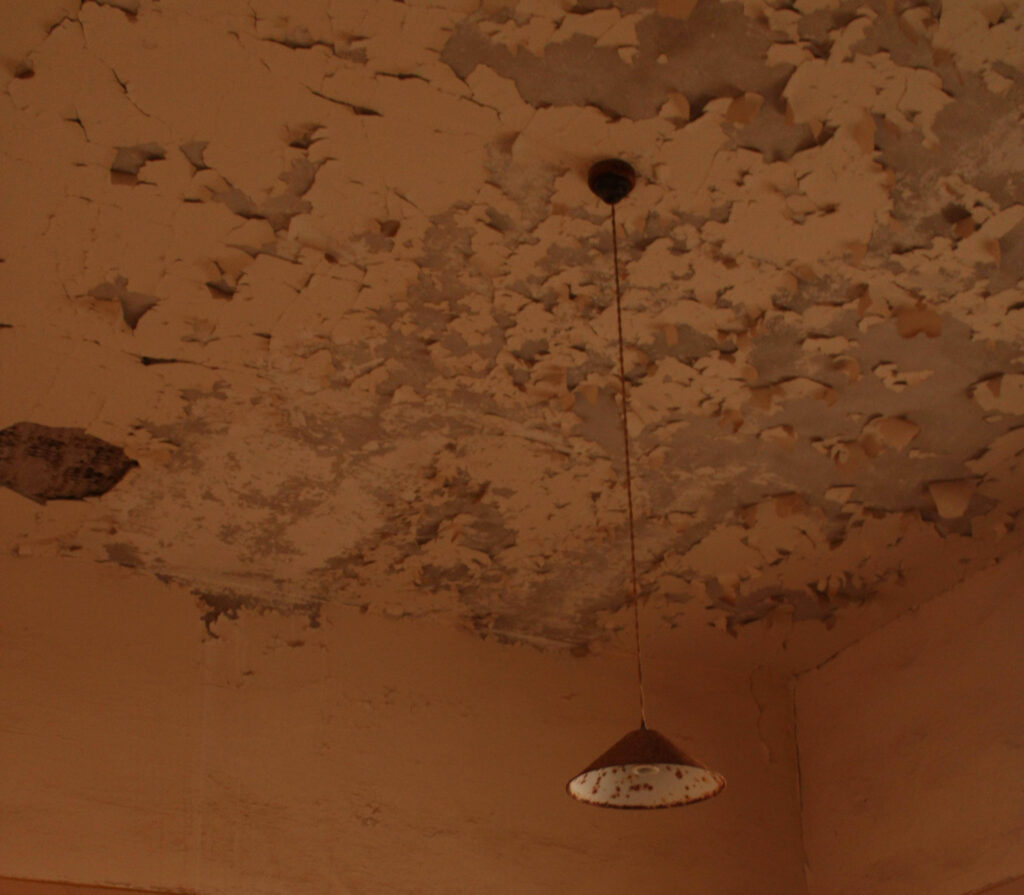
Were you walking through an apartment building to visit a friend and slipped/tripped and fell because a pipe leak caused a puddle to form on the floor? Were you grocery shopping and suffered a concussion because a ceiling tile fell of your head? Did you suffer severe burns because the gas burner on the range in the kitchen where you work is broken?

If the property owner, manager, or an employee of the property (such as in the case of a business) is negligent and that negligence caused the accident that resulted in your injury, this is a potential premises liability case, and you should seek more information from a premises liability lawyer in New York.

How Do I Prove Fault?

Proving negligence for a premises liability case can be easy or difficult, depending on the law and the amount of evidence available. So, how do you prove if the property owner is liable?

Can you prove that the property owner or manager/employee failed to provide a safe, hazard-free environment for visitors or employees? Can you prove that the management/owner knew of the dangerous conditions and did nothing to fix them, or they knew about them, did a haphazard repair that failed? Can you prove that the management/owner have ignored repeated written reports about the hazardous conditions in the workplace, the apartment building, or the place of business?

Were the property owners unaware of the dangerous condition but should have been aware because the chain of communication was broken (in the case of the manager failing to report dangerous conditions to the building owner)?

How do you prove any of those things? How can you show that the property owner ignored your right to reasonable safety while on their property?

With the advance of technology, cameras are everywhere–were there cameras there? What about witnesses? Have there been complaints from other people about the hazard that injured you?

After an accident, there are steps you should take to help gather the information and evidence you need to help prove the fault lies with the property owners.

What to do After You’re Injured on Someone Else’s Property

The first thing to do after an accident on someone else’s property is to seek medical attention immediately. Document the type of injury, get photos, ask for copies of the medical records, and speak with a medical professional to discuss any long-term effects this injury will have on your ability to work and quality of life.

If possible, while being treated at the hospital, have someone you trust take photos/videos of the scene where the accident occurred. Document these photos with the time/location of where they were taken.

Once you’ve been treated for your injuries, file a police report. After the police report, file an incident report with the management company or employer. Having these reports on file will help with your premises liability case, as well as any claim you’d like to file with the homeowners insurance company.

Seek Legal Advice

In New York City, if you were injured through no fault of your own through negligence, neglect, or carelessness by others, you may be entitled to financial compensation by filing a premises liability claim. Speaking to an experienced personal injury lawyer is critical. Your legal professional can help you to understand whether you have a case and what will happen once you file your claim.

Types of Injuries Covered by a Premises Liability Claim

Any injured person who suffered injuries because a property owner fails to adequately warn visitors about any possible danger or hazard on their property have the right to file a premises liability claim against owner. If you are on the property with the owner’s knowledge or their permission, and the incident occurred because of a dangerous condition due to their negligence, here are some of the injuries for premises liability cases which you can file a claim:

  • Dog Bites
  • Slip/Trip and Fall Injuries
  • Concussions/Severe Head Trauma
  • Broken Bones/Crush Injuries
  • Burns (Chemical and Fire)
  • Piercing Injuries/Catastrophic Internal Trauma

Filing a Premises Liability Claim

Experiencing the pain and suffering of an injury can make it difficult to deal with the aftermath of your injury, but you don’t have to deal with it alone. Contacting a New York premises liability lawyer to file a personal injury claim is the first step to righting the wrongs against you. A premises liability attorney offers a free consultation to sit down with you, discuss premises liability cases to determine if you are entitled to compensation because of your circumstances. And it is important to know that you don’t pay any attorney fee unless your attorney wins your case.

What Documentation Do I Need to File a Claim?

In order to sue the property owners for your personal injury, you need to provide your lawyer with the documentation needed to file the claim. Obtaining legal evidence is crucial in any premises liability case, and having it makes the process smoother, and will get things moving that much faster.

When you file your claim, your personal injury attorney and staff will begin to collect documentation, including:

  • Medical records
  • Witness statements
  • Police report/incident report
  • Photos/videos of where the incident occurred
  • Reports indicating the owner was warned of dangerous conditions
  • Sworn affidavits from experts/professionals about the dangers that caused the accident

When you’re on someone’s property, it’s their duty to provide a safe place for social guests, employees, or business patrons. It is their duty under the law. When they break the law, they may have to deal with financial consequences.

How Much Can I Recover for my Premises Liability Claim?

Rightfully, you may be entitled to compensation to cover medical expenses, any ongoing medical treatment, lost wages/income, the cost of emergency services and related medical bills, legal expenses, and pain and suffering. Because each case varies significantly, it can be difficult to determine settlements or judgements arising from injuries received on someone else’s property. Speak to a qualified premises liability attorney as soon as you’re physically able.

How Comparative Fault Impacts Auto Accident Claims in New York

Auto accidents happen every day in the state of New York. New York is a no-fault state, which means that when an accident happens, all claims first go through your auto insurance policy, which pays for damages regardless of who was responsible for causing the collision. However, in the case of serious injury or death, the accident victims may seek additional compensation through a lawsuit against the at-fault driver.

When seeking to sue the other driver, you’ll need to get help from an experienced personal injury attorney. The attorney will walk you through your case, give advice on what you can expect as part of the suit, and the steps that go into recovering damages from the other driver. Though you’ll have an attorney on your side, you’ll want to understand the differences between comparative fault and contributory negligence/fault in vehicle accidents in New York.

What is Comparative Fault?

The basic definition of “comparative fault” is that it is a state mandate that the amount of fault of the accident that can be attributed to each driver is then paid out in the same percentage. In layman’s terms, if you are at fault for 20% of the accident, you or your insurance company is expected to pay 20% of the damages to the other driver, and they are expected to pay the remaining 80% to you. Depending on the comparative fault attributable to you or the other party, you may recover damages or you may pay damages.

How is Fault Determined?

During the investigation into the accident, your insurance company will work to prove the other driver is at fault, but the other driver’s insurance company will work to prove that you are liable for the accident. When auto accident lawsuits go to trial, typically in no-fault states like NY, the plaintiff and defendants must give their recollections of the accident. Your personal injury attorney will ask a series of questions, using the information they’ve gathered through their own investigation to help prove that the defendant was more at fault than you were. Upon hearing the statements, the jury determines how much blame, based on the evidence your attorney provided, each of the two parties share.

How is comparative fault determined?

Consider this example:

The Red Car, the plaintiff, is pulling out of a parking lot into the street, but they fail to look both ways before doing so. The Blue Car, the defendant, hits the Red Car, causing a car accident. Who would you think is at fault for the accident? You would say that the Red Car, according to comparative fault, has all the liability for the negligence that caused the accident. But what if you learned that the driver of the Blue Car was looking over their shoulder to talk to someone in the backseat, which is considered reckless driving? Yes, the Red Car, which didn’t have right of way, pulled out in front of the Blue Car, however, the Blue Car had time to stop….IF the driver had been paying attention.

See how tricky things can be? Usually, in cases like this, the jury would likely determine that the Red Car is 70% at fault, and the Blue Car is 30% at fault, and the insurance company would pay that percentage of compensation to the other driver.

What is the Difference Between Comparative Fault and Contributory Negligence?

Comparative fault. Contributory negligence. Percentage of fault. Comparative negligence. If you’ve been in a car accident in NY, chances are you’ve heard one or all of these terms from your personal injury attorney before–and you’ve been confused. Without a knowledgeable personal injury attorney it can be confusing, because the terms are so similar, even though there are differences in the definitions. Let’s take a closer look at what each term means:

So, what is contributory negligence and how is it different than comparative fault?

The simple definition of “contributory negligence” is the failure of an injured victim (plaintiff) to act reasonably which leads to the injury to themselves and the defendants. Depending on the level of negligence determined, it may reduce the amount of compensation recovered from the defendant. If you act recklessly, and are injured because of it, and the defendant can prove that your recklessness led to your own injuries, chances are that you won’t recover damages from the defendant–even if comparative fault shows that they were at a higher percentage of fault than you.

In the example above with the Red Car and Blue Car, the Red Car’s driver may be 70% at fault, but the Blue Car’s driver’s whiplash injuries were caused because they weren’t facing forward; the Red Car’s driver does not have to pay the medical expenses for those injuries because of the Blue Car’s driver’s contributory negligence.

Types of Comparative Negligence

There are three types of comparative negligence: pure comparative negligence, modified comparative negligence, and gross comparative negligence.

Pure Comparative Negligence

The pure comparative negligence rule states that the plaintiff is allowed to recover damages if they have 99% responsibility for the car accident. New York, California, and another twelve states follow the pure contributory negligence rule.

Modified Comparative Negligence

The modified comparative negligence rules are different in that, if a plaintiff is found to be at-fault for a specific percentage of fault attributable, they cannot recover monetary damages. Ten states follow the modified comparative negligence bar of 50% responsibility. Another twenty-three states follow the bar of 51% responsibility, meaning that if the plaintiffs are found to be at comparative fault of over 50% or 51%, they cannot recover damages from the defendant in those states.

How Do I File an Auto Accident/Comparative Fault Claim in New York?

Even with an attorney by your side, recovering damages after a car accident in a comparative fault state like New York can be a marathon dotted with hurdles. Just knowing the differences between comparative fault, comparative negligence, and contributory negligence is only the beginning. Thankfully, there are experienced New York attorneys who know the ins and outs of comparative fault and comparative negligence laws, and how it applies to all parties involved.

After an accident, your first step is seeking medical help for any injuries. Medical professionals will document your injuries, which can then be used as part of a lawsuit if needed.

Your next step is contacting your insurance company to report the accident. In New York, which is a comparative negligence state, you will be required to prove the level of fault attributable to you, so that the insurance company can determine how much the other driver (defendants) are likely to recover in damages.

If you believe you are owed more in recovered damages than the other driver’s insurance company paid, you have the right to file a lawsuit against them. Holding the other driver responsible is crucial in your personal recovery, because you have those outstanding medical bills, those lost hours of work, and perhaps that lost job. Each of these represents financial hurdles that injury victims face when injured through no fault of their own.

Your most important step after the accident is to contact a personal injury attorney who will sit down with you, and help you understand comparative fault/negligence rules for New York. Thankfully, you don’t have to file the claim on you own. The attorney will do all the hard work for you, including dealing with your insurance company and the other driver’s insurance company.

Contact an experienced New York state personal injury attorney and get a free consultation to discuss your car accident. Because the laws differ from city to state and beyond, a lawyer is an essential part of the claims picture. Even if you are only partially at fault — or have no fault of your own — in an automobile accident, you may be entitled to financial compensation.

Common Types of Construction Accidents and Your Legal Rights

One of the most rewarding and challenging trade careers is in construction, and construction workers are some of the most skilled workers in New York City, with one of the most dangerous jobs. If you are a construction worker and are concerned about workplace injuries, there are several things you should know.

Most Common Construction Accidents on Construction Sites

With the number of construction projects going on across the city, and with so many moving parts (people, equipement, machinery) isn’t a surprise that the number of construction accidents and the resulting construction accident injuries has grown over the years. Here is a list of several of the most common accidents on construction sites.

Fires/Explosions

Machinery, vehicles, and generators are require fuel, and in some cases, that fuel isn’t stored properly. In those cases, fires can occur. Also, human error (lit cigarette, misplaced flammable materials, or electrical mistakes) can lead to fire accidents. Fire spreads quickly and cares for no one, which means that fire accidents are some of the most catastrophic accidents. Another, more catastrophic accident is explosions, which may be caused by gas leaks.

Slip/Trip & Fall

A construction site can be a mine field of debris, equipment, people, spills, misplaced tools, etc… Without proper storage or organization, posted warnings or barricades, and safety training or precautions, slip and fall/trip and fall accidents can occur. It only takes one loose wire, one misplaced hammer, one slippery surface to cause an accident.

Collapses/Falling Objects

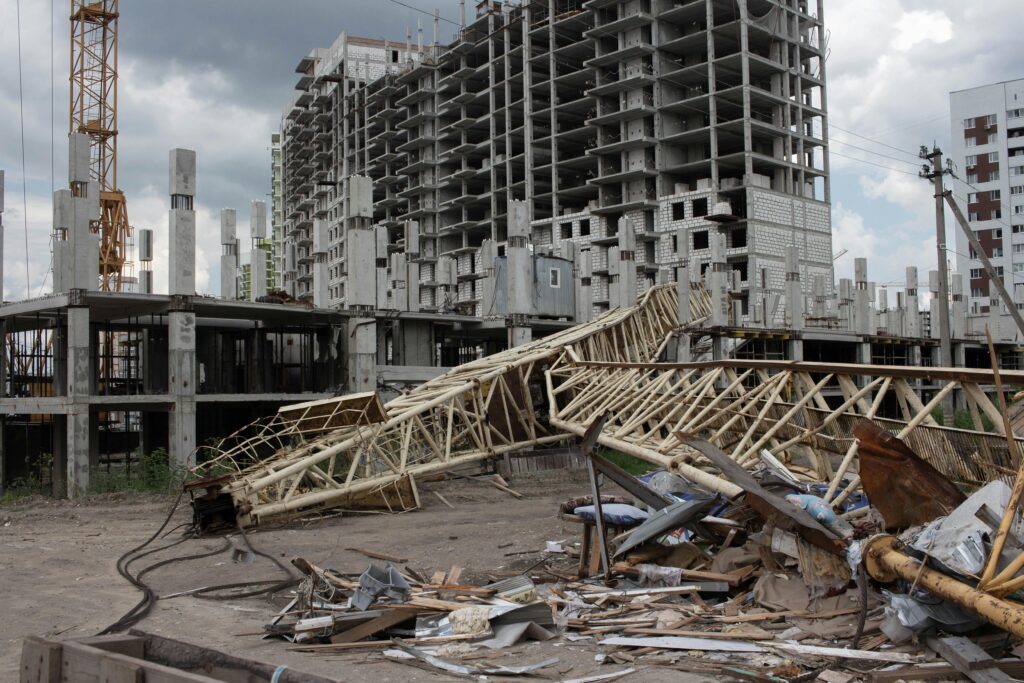
Construction is a dangerous job, but it can be rewarding. Unfortunately, when working under and around building materials on uneven or excavated ground, demolition accidents, ground collapses, a trench collapse, building collapses, hoist accidents, and falling debris or objects can cause an accident.

Collisions

Construction work sites are a beehive of vehicle, equipment, machinery activity, and when these moving parts physically collide, these collisions can cause serious injuries. The vehicles can strike one another, or a work can be struck by a forklift, an excavator, or even the company truck.

Electrocution

Exposed wires, unfinished electrical systems, or poorly installed power lines, or downed power lines can serious electrocution injuries.

Machinery Accidents

Forklift accidents, struck by incidents, and machinery malfunctions are common accidents that are the most dangerous. Heavy machinery is the muscle on any construction project, and without proper training or lack of safety precautions, these massive and powerful machines can cause injury, permanent disability, and even death.

Most Common Injuries in the Construction Industry

Given the list of possible accidents that can happen while working construction, you’ll understand that the list of possible injuries is extensive. However, for the sake of time, we’ll list the most common injuries you can get while working in a construction zone.

  • Repetitive Motion Injuries/Repetitive Stress Injuries
  • Burn Injuries
  • Broken Bones
  • Head Injuries/Traumatic Brain Injuries
  • Spinal Cord Injuries
  • Crush Injuries
  • Loss of Limbs
  • Death

Have you experienced such injuries? Were you hurt during a construction site accident? Sadly, according to labor statistics, injured construction workers are not rare, with more than 550 injuries in New York City, in 2022 alone–including 11 fatalities. Despite years of required safety inspections and safety training, construction workers face construction injury on a daily basis.

What Do You Do After Serious Injury?

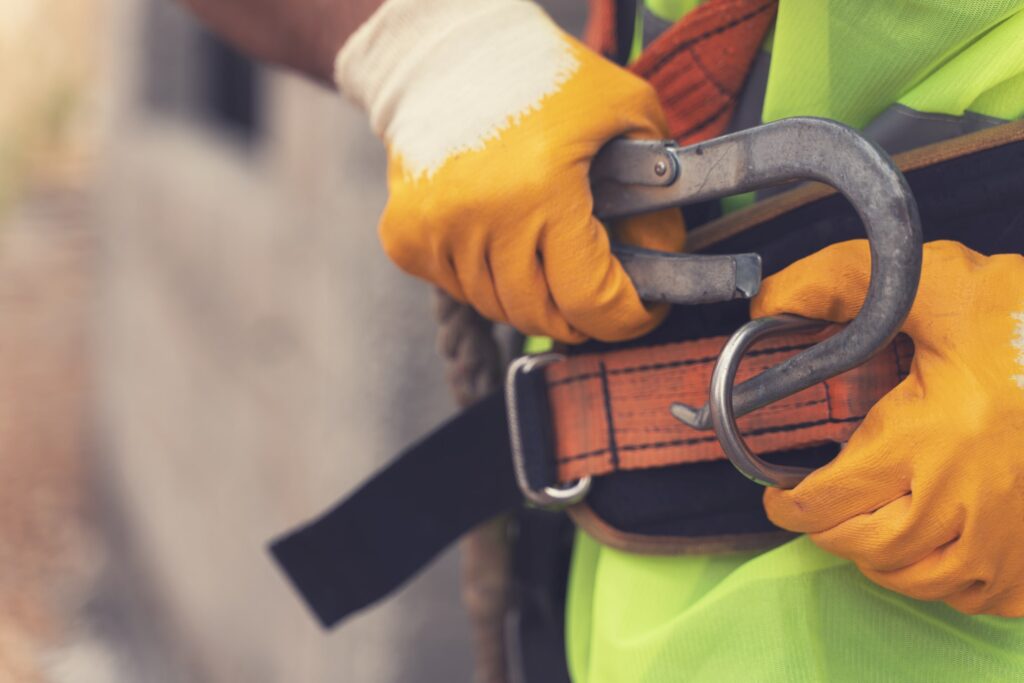
Construction workers should never have to worry about occupational safety. There should always be well-maintained safety equipment, well-written safety protocols in place, personal protective equipment for each construction worker. Unfortunately, that is not always the case, and in those cases a serious accident can occur. Have you been injured on the job at a construction site?

Your first step after the accident is to seek medical help. Be sure to document your injuries with detailed records and photos of the injuries. Next, contact your union representative, who will help you with workers compensation, getting help with medical expenses, or help you seek legal counsel, if necessary. However, if your injury was no fault of your own, you have the right to seek compensation through a personal injury/work injury claim.

What Are Your Rights?

So what happens when an accident occurs on your construction site and you’re injured? What do you do? What are your rights as a worker who has experienced a workplace injury? First, you have the right to work in a reasonably safe environment. Hazardous materials, faulty equipment, and slippery surfaces are the most common causes of construction injuries. Construction companies are liable for any injury caused by their equipment, their failure to employ and train the right professionals, or their failure to properly store machinery, heavy equipment, dangerous chemicals, and even smaller power tools.

If your injury was caused at no fault of yours, you have the right to full and fair recovery from your injuries, compensation for medical bills, lost wages, emotional injury, and even post traumatic stress disorder. Personal injury attorneys in New York, have years of experience in cases of construction site accidents, and can help you navigate the process of filing a claim.

Police Misconduct: Your Rights and Legal Recourse in New York

When a crime is committed against you, you have the reasonable belief that the police are there to help you. That the law enforcement officers you see every day are worthy of your trust. In most cases, law enforcement officers can be and should be trusted. Unfortunately, that isn’t always the case.

What happens when a routine stop for blue lights leads to brutality against you? Not all criminals look and act like criminals. Sometimes the wear uniforms.

What is Police Misconduct?

According to the New York City Bar Association, police misconduct is: “…the result of intentional, negligent or reckless conduct that breaches the officer’s duty to faithfully execute the laws of New York and results in injury.”

The injury you suffer because of police brutality or unlawful conduct doesn’t have to be a physical injury, it can also be the emotional pain and suffering from humiliation, degradation, or ruination of a reputation. Physical violence against civilians, false arrests, or the infringement of your civil rights by a police officer is a crime, and it should be punished at the fullest extent of state and federal law.

Most Common Types of Police Misconduct

You trust that when you make that call for law enforcement, that when they arrive, they will do their duty faithfully, honorably, and with your safety in mind. That doesn’t always happen, and could become a victim of police misconduct. But what does that look like? What is considered police misconduct?

Here are the most commons citizen complaints against law enforcement agencies in New York:

  • Racial Profiling – discriminatory harassment, discriminatory misconduct, discriminatory traffic stops
  • False Arrest – false confessions, false imprisonment
  • Excessive force – excessive physical force used in the act of apprehension or detention of a civilian
  • Surveillance Abuse – using police department issued equipment to record you without authorization
  • Sexual Assault – sexual misconduct, coercive sexual conduct, aggravated sexual abuse, rape
  • Verbal Attacks – making false claims, verbal harassment in public, the use of racial or discrimiatory slurs
  • Abuse of Legal Power – using law enforcement resources to push for false confessions
  • Corruption and Bribes – taking money, favors, or asking for sexual acts in return for “looking the other way” or misplacing evidence

What if I Wasn’t Physically Injured?

Some injuries caused by police misconduct aren’t always visible. Sometimes the emotional toll is just as damaging. The humiliation, the shame, the pointed fingers, the loss of jobs/income because of false claims against you can be crippling.

In the case of a non-physical injury, police misconduct may be a little more difficult to claim, but not impossible. You are still a human being with rights, and when those rights are violated because of police misbehavior, you deserve justice.

What Can I Do if I’m a Victim of Police Misconduct?

Police misconduct cases are some of the most polarizing cases in New York City. Every day, millions of citizens put their trust in the men and women in uniform, and when one of those we’re supposed to trust is accused of discriminatory treatment, gross misconduct, impeding of civil rights, or acting in a manner that goes against the policies of the New York City police department or other local law enforcement agencies, you have the right to seek justice.

If you are injured at the hands of law enforcement officer, seek immediate medical care. Physical injuries caused by police brutality, excessive force, sexual abuse/assault, or the negligence of a law enforcement officer must be documented and reported. Pictures of the injuries and copies of the medical report will be critical evidence your civil rights lawyer will use to make sure the police officers accused are tried and punished for their actions.

Next, document the incident as best you can using your injury, witness statements, and a written report of your claims. With the advancements in law enforcement equipment such as body cameras and dash cameras, obtaining video and audio evidence of your police misconduct claim is much easier than ever. Your attorney will work to get this documentation for you, however, any documents you can provide for them, will make the process that much smoother for you.

What if Someone I Love Died in Police Custody?

Sadly, sometimes police misconduct, poorly executed police practices, and negligence can lead to death. In those wrongful deal cases, a civil rights attorney will work to prove that the deceased person was in good health before placed in police custody, and that direct or indirect (negligent) misconduct by law

The most important thing you can do if you are a victim of police misconduct or wrongful death is contact a civil rights attorney to file a claim against the New York City law enforcement agency and their law enforcement officer. Your lawyer is there for you to explain the process of filing a claim, and to do all the hard work of obtaining the evidence against the officer accused.

Call a civil rights attorney today for a free consultation and assessment of your case.

Steps to Take After a Motorcycle Accident in New York

What are my rights in a motorcycle accident?

If you’re a motorcyclist who was struck by another vehicle, or a driver who was struck by a motorcyclist, you have the right to fair compensation for your injuries, property damage, and even death.

Do you live in the Bronx, Queens, or any other burrough of New York and have experienced the life altering reality of a motorcycle accident?

After the police are called to the scene, what do you do? What are your rights whether you’re at fault or not? Have you received fair treatment from authorities no matter what happened in the crash? 

Are you the motorcyclist or the driver in the car during the incident? Was the vehicle on the road or was it a parked car? Who was driving what vehicle, and should they have been on the road? Were the police called? Was someone killed?

There are so many variables in a motorcycle accident New York.

Rights of the Motorcyclist

You’re riding along on your motorcycle, enjoying your usual Thursday afternoon in Queens, and you’re struck by another vehicle on the road. You are a motorcyclist, which means you do not have the same safety features other motor vehicles have. You sustain an injury that will keep you from work, which means loss of income, which can be catastrophic for you and your family.

Or you are the family member left dealing with the loss of your motorcyclist loved one who was killed in an accident.

You have rights, and those rights include compensation for loss of wages, the costs of medical bills, the loss of property or property damage, and wrongful death in the event someone was killed. 

Rights of the Vehicle Driver

Motorcyclists aren’t the only ones who are injured or lose property in a crash. There have been many cases of motorcyclists hitting parked cars, pedestrians, and other vehicles.

After the crash, you call the police to the scene, and when the NYPD arrive, do they focus on you? Do they care that you’re hurt, or that your parked car is damaged? You have the right to fair consideration in a police investigation.

If you’re not the man or woman at fault in the crash, you have the right to financial compensation. 

Injuries and Property Damage

A motorcycle vs. motor vehicle crash is a life-changing experience. Whether you were the motorcyclist or the driver in the car, you may have sustained injuries that require immediate medical attention.

You have the right to sue for the cost of your medical bills, no matter the number or severity of the injury. You can also seek money to cover loss of income if you are out of work because of your injury. If your motorcycle or vehicle are damaged, you can demand compensation to repair or replace your property. 

If someone you love died in a crash where either the car or the motorcyclist lost control, leading to the death, you have the chance to seek closure.

Your first step to take after a motorcycle accident in New York is to contact the authorities–then you contact a lawyer who handles accidents involving motorcycles in New York City.

What Damages Can You Claim in a Premises Liability Lawsuit?

You’re visiting your mother at her building in the Bronx, and you trip over a slab of uneven concrete on the pathway to the door…what happens now? What about if you slip on a newly-mopped floor in a retail store because you didn’t see a ‘wet floor’ sign posted? Imagine another scenario: You’re an apartment tenant and you have a fall accident when the railing along the stairs gives way–what do you do then?

You just might have the right to file a premises liability lawsuit.

What is a Premises Liability Lawsuit?

Premises liability cases are lawsuits brought against a property owner, manager, or other authorized persons when you are injured on someone’s property because of negligence. If you are on the property legally (for example if you were invited, you live there, or you work there) and are not trespassing, and you have an accident caused by a hazardous or dangerous conditions on that property, you may be eligible to file a premises liability claim against the property owner.

Proving negligence can be tricky, but an experienced premises liability lawyer will help you each step of the way. But does filing a claim against the property owner really help? And if you win your premises liability case against the property owner, what can you expect?

What is a Premises Liability Accident?

When you are on someone else’s property, you have the reasonable belief that you will be safe there. That isn’t always the case. The property owner may not maintain the property as required by law, and in those cases accidents can happen and people may be injured.

Common types of premises liability accidents include: Slip and fall accidents, inadequate security, falling into an unsecured swimming pool, being bitten by an unsecured pet, trip and fall accidents, or exposure to hazardous conditions. If you can prove that the property owner knew about the unsafe condition and/or the lack of a safe environment and failed to warn visitors, you can seek compensation through a personal injury claim/premises liability injury claim.

What Damages Can you Receive for Premises Liability Claims?

You may wonder, “if I get injured through no fault of my own on someone else’s property, what can I expect in monetary compensation?” This is a critical question and depends on numerous factors — if you have a case at all. Injuries, medical expenses, and lost wages add up quickly for negligence victims; it is imperative that you speak to a qualified personal injury attorney who has handled premises liability cases in the past.

Yes, you can get a payout through the insurance company, but many times that isn’t enough. You deserve to recover compensation that will allow you to heal and thrive after your accident. But what types of damages can you receive from your premises liability claims?

Medical Expenses/Bills

Dangerous conditions lead to accidents, and serious injury can occur. Those injuries need medical treatment, but that isn’t cheap. Thankfully, one of the damages covered in a premises liability lawsuit or settlement is medical bills. When you recover damages from the owner of the unsafe property, you can use that money to pay for immediate medical treatment, bills accrued because of the serious injury, and any future treatment.

Damaged Property

In the case of damaged property, like a car accident caused by a poorly maintained parking lot, you have the right to seek compensation to cover the costs of repairs of the property (your vehicle) or complete replacement of the property that was damaged.

Loss of Income/Lost Earnings

If your injury is so severe that you cannot work, you can seek damages covering the wages you lose from not working.

Diminished Future Income/Earnings

If the injury requires long-term treatment, or the injury has dramatically diminished your ability to earn a living, you are allowed to seek damages to cover any future lost income directly caused by the premises liability accident.

Pain and Suffering/Emotional Distress

Injuries cause more than physical pain; though physical pain can be substantial, injuries may also cause emotional distress–and you should be given restitution for that from the person held liable for your pain and suffering.

How do I File a Premises Liability Claim?

Your first step is calling for a free consultation with a New York City premises liability attorney. Experienced premises liability attorneys will help explain liability law, what you can expect during your premises liability case, and assistance in gathering the information to prove that the property owners are fully or partly responsible for your injuries. A premises liability claim is complex and requires extensive knowledge in applicable laws and statutes. Because the laws differ from city to state and beyond, a lawyer is an essential part of the claims picture.

In order to do all that, however, you must be able to prove the defendant’s negligence or the property occupier’s failure to provide a safe environment or keep the property safe. Experienced premises liability lawyers will help you gather the documentation needed (medical reports, law enforcement incident reports, photos, witness statements, written complaints, etc…) to prove the property owners are at fault for the unsafe conditions. Premises liability attorneys work directly with insurance companies, law enforcement officials, and property owners to secure your rights to financial compensation. Your attorney will also provide legal advice and guidance as your case works its way through the court system.

Once your case is won, you, as the injured person, are entitled to compensation, and you can focus on getting your life back on track. If you are injured through no fault of your own, seek medical attention immediately. Once your injuries have been stabilized, place a call to a personal injury attorney to learn the facts about a premises liability claim and what it takes to be successful in your claim.

Accessibility Tools
hide